

What is a Magnesium Oxide Powder Pneumatic Conveying System? And What Are Its Design Principles?
For industrial applications involving the transport of magnesium oxide powder, a specialized system known as a pneumatic conveying line is often employed. This technology offers an efficient and reliable method for moving bulk materials through a pipeline using compressed air or other gas streams. Understanding the fundamentals of such a system, including its design principles, is crucial for optimizing performance and ensuring safe operation in industrial settings.
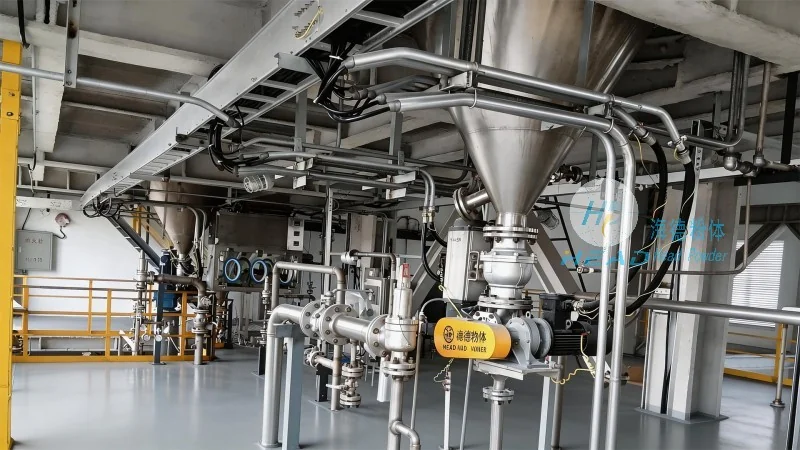
What is a Magnesium Oxide Powder Pneumatic Conveying System?
A pneumatic conveying system for magnesium oxide powder is a mechanical setup designed to transport dry, fine powders like magnesium oxide from a source to a destination. The system typically consists of a hopper or feeder to supply the powder, a pipeline network, and a gas source (such as a blower or compressor) to generate the conveying air. As the powder is introduced into the pipeline, it is entrained by the moving air and transported to the discharge point. This method is particularly advantageous for handling materials that are prone to dust, require minimal contact with equipment, or need to be moved over long distances without the need for mechanical components like belts or buckets.
Key Components of the System
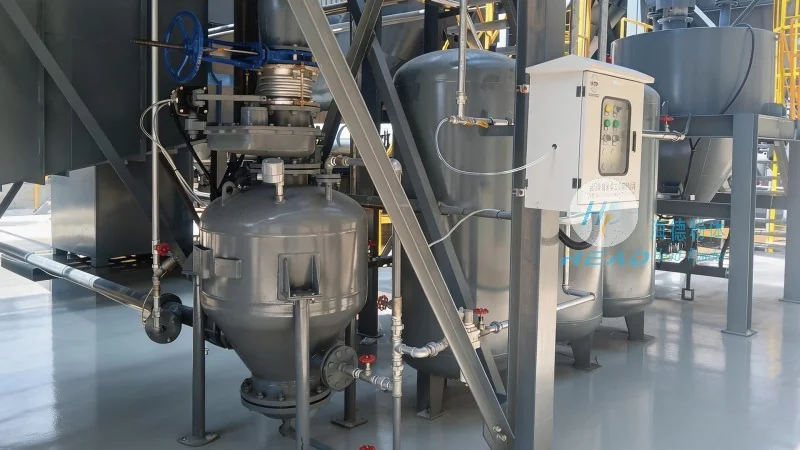
The effective operation of a magnesium oxide powder pneumatic conveying system relies on several critical components. The first is the material feeder, which can be a hopper or a rotary valve, responsible for controlling the flow rate of the powder into the system. The feeder must be designed to prevent clogging and ensure a consistent feed, as fluctuations in material flow can impact the conveying efficiency. Next is the air supply unit, which provides the necessary pressure and volume of air to move the powder. This component can vary from simple blowers to more complex compressors, depending on the system's requirements and the characteristics of the powder being conveyed. The pipeline itself is another essential part, often made of materials like stainless steel or plastic, chosen for their resistance to corrosion and wear from the abrasive powder. Additionally, the system may include components such as filters to capture any escaped powder, silencers to reduce noise from the air movement, and control valves to regulate the air flow and pressure.
Design Principles for Efficient Conveying
The design of a magnesium oxide powder pneumatic conveying system is guided by several key principles aimed at maximizing efficiency, minimizing energy consumption, and ensuring the safe handling of the material. One of the primary principles is the selection of the appropriate air velocity. The air velocity must be high enough to fully entrain the powder particles but not so high as to cause excessive wear on the pipeline or excessive energy consumption. This velocity is often determined by the particle size, density, and flow characteristics of the magnesium oxide powder. Another critical principle is the system's pressure drop, which refers to the loss of pressure as air and powder move through the pipeline. Proper design minimizes excessive pressure drop to avoid the need for overly powerful air sources and to maintain consistent flow rates. The layout of the pipeline is also a design consideration, as the system's configuration (e.g., vertical or horizontal runs, bends, and elevation changes) affects the required air pressure and the overall efficiency of the conveying process. Engineers must carefully calculate the pressure losses due to friction, changes in direction, and elevation changes to ensure the system operates within its design parameters.
Advantages of Using Pneumatic Conveying for Magnesium Oxide
Employing a pneumatic conveying system for magnesium oxide powder offers several advantages over traditional mechanical conveying methods. One of the most significant benefits is the ability to handle fine, dusty powders without the need for additional equipment like hoppers or chutes that might cause material buildup or contamination. The enclosed pipeline system also helps in maintaining a clean and controlled environment, reducing the risk of dust exposure and improving workplace safety. Additionally, pneumatic conveying allows for the transport of materials over long distances with minimal maintenance, as there are no moving parts in direct contact with the powder (except for the feeder and air source). This reduces the likelihood of mechanical failure and the need for frequent repairs. The system also provides flexibility in terms of layout, as the pipeline can be routed around obstacles or through different areas of a facility, making it suitable for complex industrial setups. Furthermore, the use of compressed air as the conveying medium allows for easy integration with other processes, such as dust collection or material blending, as the air can be filtered and reused or directed to other parts of the plant.
Considerations for System Maintenance and Safety
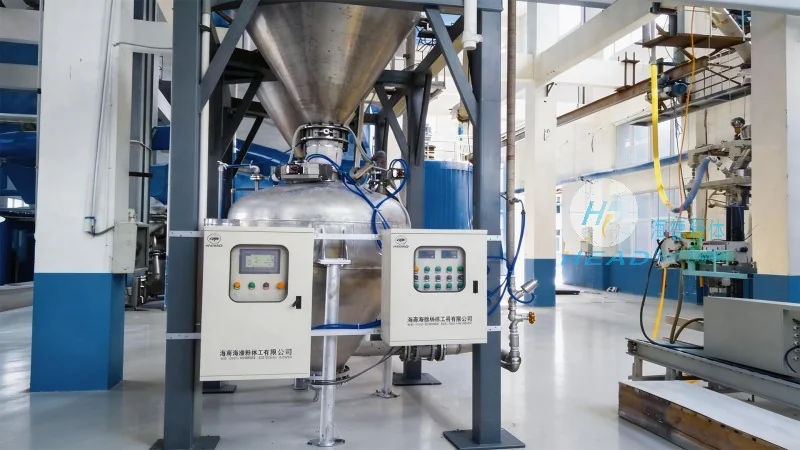
While pneumatic conveying systems offer many benefits, proper maintenance and safety considerations are essential to ensure long-term operation and prevent accidents. Regular maintenance of the air supply unit, including cleaning or replacing filters and checking for wear on components, is crucial to maintain optimal performance and prevent energy inefficiencies. The pipeline and feeder must also be inspected periodically for signs of wear, corrosion, or blockages, as these can lead to reduced conveying efficiency or system failure. Safety is another critical aspect, as the system involves high-pressure air and fine powders, which can pose a risk of explosion or dust explosions if not properly managed. Proper grounding of equipment, use of explosion-proof components, and implementation of dust control measures are all important safety measures. Additionally, operators should be trained on the proper operation and emergency procedures of the system to minimize the risk of accidents and ensure the safety of personnel.
Conclusion
In summary, a magnesium oxide powder pneumatic conveying system is a sophisticated and efficient method for transporting dry powders in industrial applications. Its design is based on principles that optimize air velocity, minimize pressure drop, and ensure the safe handling of the material. The system offers advantages such as reduced dust exposure, minimal maintenance, and flexibility in layout. By adhering to proper maintenance and safety protocols, this technology can provide reliable and cost-effective material transport for magnesium oxide and similar powders. As a leading provider in this field, Shandong HeadPowder Engineering Co., Ltd. specializes in designing and manufacturing such systems, leveraging years of experience to deliver high-quality solutions tailored to the specific needs of industrial clients.