

How to Choose the Right Stabilizer Powder Pneumatic Conveying Manufacturer? What Factors to Consider
When it comes to selecting a manufacturer for stabilizer powder pneumatic conveying systems, businesses often face a critical decision that impacts operational efficiency and product quality. The choice of manufacturer is not merely about price or availability but involves a comprehensive evaluation of several key factors that ensure the system meets specific industrial requirements. This article outlines essential considerations to help you make an informed decision when partnering with a manufacturer like Shandong HeadPowder Engineering Co., Ltd., a leading provider of specialized powder handling solutions.
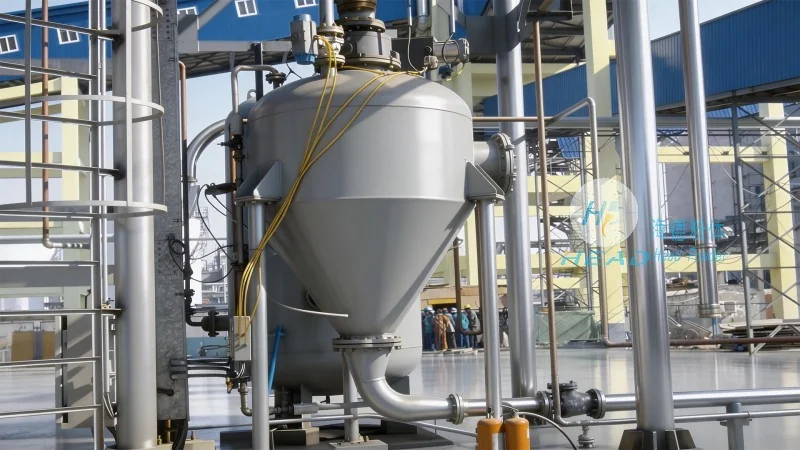
Understanding Your Specific Industry Requirements
Before engaging with any manufacturer, it is crucial to have a clear understanding of your industry's unique demands. Stabilizer powders are used across various sectors such as pharmaceuticals, food processing, and chemical manufacturing, each with distinct handling needs. For instance, in pharmaceutical applications, the system must adhere to stringent cGMP (Current Good Manufacturing Practice) standards, emphasizing contamination control and material integrity. In food processing, the equipment needs to be sanitary, easy to clean, and compatible with food-grade materials. Understanding these requirements helps in aligning with a manufacturer that specializes in your sector, ensuring tailored solutions rather than generic products.
Evaluating Technical Expertise and Innovation
A reputable manufacturer of stabilizer powder pneumatic conveying systems should demonstrate robust technical expertise and a commitment to innovation. This includes knowledge of different conveying technologies such as pressure, vacuum, and dense-phase systems, each with its advantages depending on the powder's characteristics. The manufacturer should be able to provide technical support, including system design, installation, and maintenance guidance. Moreover, staying updated with the latest advancements in material handling technology is vital. For example, advancements in material flow control, such as advanced valve technologies or real-time monitoring systems, can enhance system performance and reliability. A manufacturer that invests in R&D and offers customized solutions demonstrates its capability to address complex challenges and meet evolving industry standards.
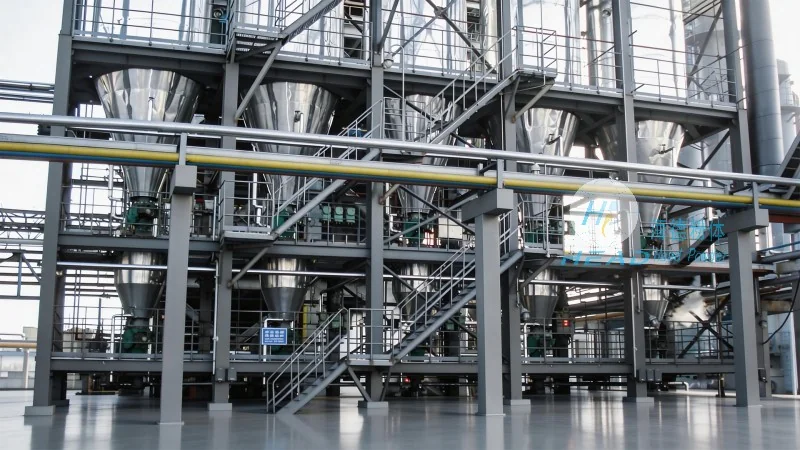
Assessing Manufacturing Capabilities and Quality Control
The manufacturing capabilities of a pneumatic conveying system manufacturer are directly linked to the quality and durability of the equipment. It is essential to evaluate the manufacturer's production processes, including material sourcing, component fabrication, and assembly. A company with a strong quality control (QC) system ensures that each component meets or exceeds industry standards. This includes testing for material compatibility, pressure resistance, and wear resistance, which are critical for long-term system performance. For instance, in systems handling abrasive or corrosive stabilizer powders, the manufacturer should use high-quality materials like stainless steel or specialized alloys to prevent degradation and ensure longevity. Shandong HeadPowder Engineering Co., Ltd., known for its rigorous QC protocols, employs advanced testing methods to ensure that all components are compliant with industry standards, providing clients with reliable and durable equipment.
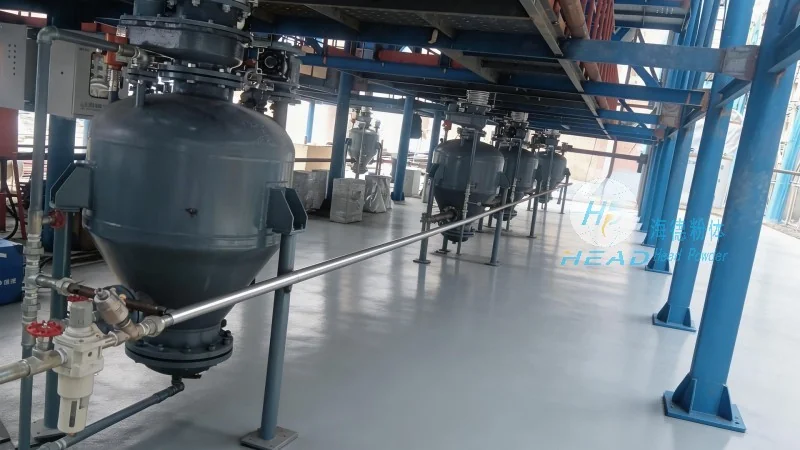
Checking for Regulatory Compliance and Certifications
Compliance with industry regulations is a non-negotiable factor when selecting a manufacturer for stabilizer powder handling systems. Depending on the application, the equipment may need to meet specific certifications such as CE, FDA, or ISO standards. These certifications indicate that the manufacturer adheres to safety and quality benchmarks. For example, in pharmaceutical and food industries, equipment must comply with FDA regulations regarding material contact surfaces and cleaning protocols. A manufacturer with a history of obtaining and maintaining relevant certifications demonstrates its commitment to regulatory adherence. This not only ensures legal compliance but also builds trust with clients who prioritize safety and regulatory compliance in their operations.
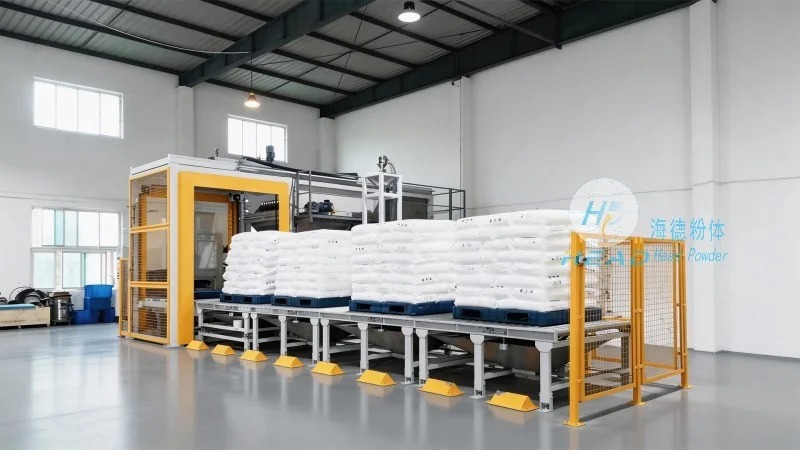
Reviewing Customer Support and Service Options
Long-term success of a pneumatic conveying system depends significantly on the manufacturer's customer support and service offerings. After-sales support, including maintenance, repairs, and technical assistance, is crucial for minimizing downtime and maximizing system uptime. A reliable manufacturer provides comprehensive service packages, such as on-site maintenance, spare parts availability, and remote diagnostic services. This ensures that any issues are addressed promptly, reducing operational disruptions. Moreover, the manufacturer's responsiveness to customer inquiries and feedback indicates its dedication to client satisfaction. For instance, a company that offers 24/7 technical support or has a dedicated service team can provide timely solutions to unexpected problems. Additionally, the manufacturer's track record of customer satisfaction and testimonials from existing clients can provide insights into the quality of their support services.
Assessing Cost and Value Proposition
While cost is a significant consideration, it should not be the sole determining factor when choosing a manufacturer. It is essential to evaluate the overall value proposition, which includes the initial investment, operational costs, and long-term benefits. A manufacturer that offers competitive pricing without compromising on quality and performance provides better value. This involves comparing the total cost of ownership, including maintenance, energy consumption, and system lifespan. For example, a system with higher initial costs but lower maintenance and energy expenses may be more economical in the long run. Additionally, the manufacturer's ability to provide customized solutions tailored to your specific needs can enhance operational efficiency and reduce waste. A thorough cost analysis should consider all aspects, from equipment purchase to ongoing operational expenses, to ensure that the chosen manufacturer offers the best return on investment.