

What is Metering Feeding? And What Are Its Design Principles?
Metering feeding systems are a critical component in various industrial processes, particularly in sectors that require precise material handling and consistent product quality. These systems are designed to accurately measure and dispense bulk materials, ensuring that each batch or production run meets the specified requirements. The core function of a metering feeder is to control the flow rate of raw materials, which is essential for maintaining uniformity in the final product. Shandong HeadPowder Engineering Co., Ltd., a leading manufacturer based in China, specializes in the design and production of advanced metering feeding systems tailored to meet the diverse needs of modern industries.
Understanding the Basics of Metering Feeding
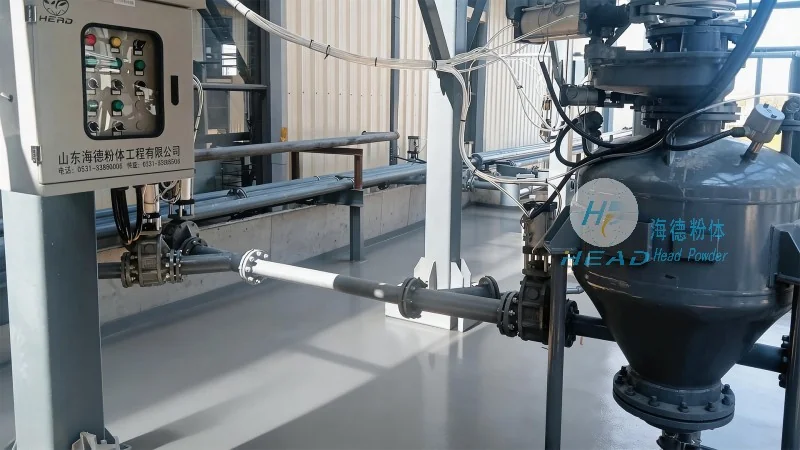
At its essence, a metering feeder is a mechanical or electromechanical device that regulates the quantity of bulk materials being fed into a processing line. This technology is widely used in industries such as pharmaceuticals, food processing, chemical manufacturing, and plastics. The primary goal is to achieve a high level of accuracy and repeatability in material dispensing, which directly impacts the efficiency and reliability of the production process.
Key Components of a Metering Feeding System
Modern metering feeding systems typically consist of several key components that work in tandem to achieve precise material control. These components include a hopper or feed bin to store the bulk material, a feeding mechanism (such as a screw, vibratory feeder, or belt feeder) to move the material, and a metering device that regulates the flow rate. The metering device may be a variable-speed motor, a gear reducer, or a more advanced electronic control system that adjusts the feeding rate based on real-time feedback. Additionally, many systems incorporate sensors and control panels to monitor and adjust the feeding process automatically.
Design Principles for Optimal Performance
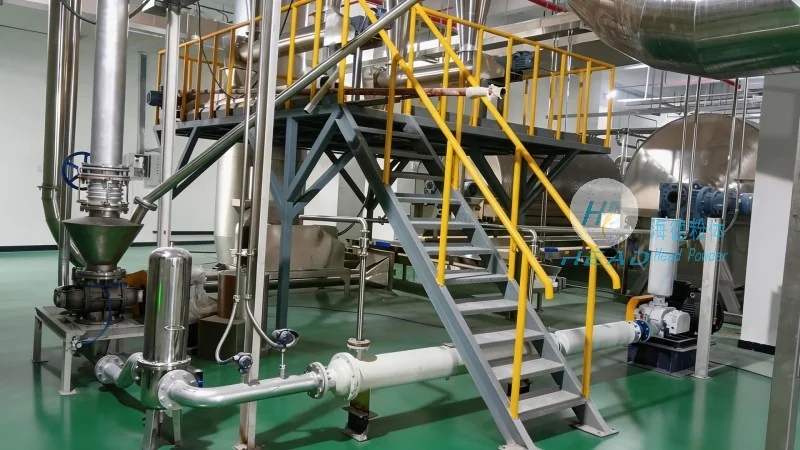
The design of a metering feeding system is guided by several fundamental principles aimed at maximizing accuracy, efficiency, and durability. One of the most critical principles is the need for consistent material flow, which is achieved through proper hopper design and feeding mechanism selection. The hopper should be designed to minimize material bridging or arching, as these can disrupt the feeding process and lead to inconsistent output. The feeding mechanism must also be capable of handling the specific characteristics of the material, such as particle size, density, and flowability. For example, cohesive materials may require a vibratory feeder to break up clumps and ensure smooth flow, while free-flowing powders might be better suited to a screw feeder.
Accuracy and Repeatability in Metering Feeding
Accuracy and repeatability are paramount in metering feeding applications, as even small variations in material flow can lead to significant defects in the final product. To achieve high accuracy, the system must be capable of precise control over the feeding rate. This is often achieved through the use of variable-speed drives, which allow the operator to adjust the speed of the feeding mechanism in real time. Additionally, many modern systems incorporate closed-loop control, where sensors monitor the actual material flow and adjust the feeding rate to maintain a set point. This feedback mechanism ensures that the system operates within tight tolerances, even when faced with changes in material properties or external conditions.
Applications and Industries Using Metering Feeding
Metering feeding systems are employed across a wide range of industries, each with unique requirements for material handling. In the pharmaceutical industry, for example, metering feeders are used to dispense active pharmaceutical ingredients (APIs) and excipients with high precision, ensuring that each dosage form contains the correct amount of active ingredient. In food processing, these systems are used to control the amount of ingredients added to products such as cereals, snacks, and beverages, maintaining consistent flavor and texture. The chemical manufacturing industry relies on metering feeders to handle reactive or hazardous materials, ensuring that the correct proportions are mixed to avoid safety hazards or product defects. In the plastics industry, metering feeders are used to blend raw materials, such as resin and additives, to achieve the desired properties in the final product.
Advantages of Using Metering Feeding Systems
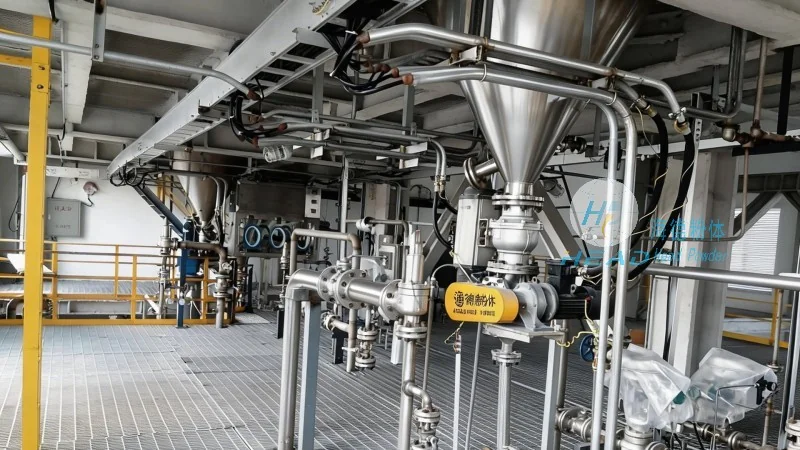
Implementing a metering feeding system offers several advantages for industrial operations. The most significant benefit is the ability to achieve consistent product quality, which reduces waste and rework. By controlling the flow rate of materials, manufacturers can minimize variations in batch-to-batch output, leading to higher customer satisfaction and reduced costs. Additionally, metering feeders can improve production efficiency by reducing downtime caused by material handling issues. The automated nature of these systems allows for continuous operation, with minimal intervention required from operators. Furthermore, the use of advanced control systems enables remote monitoring and adjustment, enhancing overall operational flexibility.
Conclusion: The Importance of Metering Feeding in Modern Manufacturing
In conclusion, metering feeding systems play a vital role in modern manufacturing by providing precise control over material handling. The design principles and components of these systems are tailored to meet the specific needs of various industries, ensuring that materials are dispensed accurately and consistently. As technology continues to advance, metering feeders are becoming more sophisticated, with features such as real-time monitoring and predictive maintenance. This evolution will further enhance their role in maintaining product quality and operational efficiency. For companies looking to improve their production processes, investing in a reliable metering feeding system is a strategic decision that can yield significant long-term benefits.