

Classification and Application Analysis of Calcium Hydroxide Pneumatic Conveying Systems
Calcium hydroxide, commonly known as slaked lime, is a widely used chemical in various industrial processes. The efficient and reliable transportation of this material is crucial for maintaining production efficiency and safety. Pneumatic conveying systems have emerged as a preferred method for handling calcium hydroxide due to their ability to transport powders in a dust-free environment, reducing operational risks and improving overall process control.

Introduction to Calcium Hydroxide Pneumatic Conveying Systems
Calcium hydroxide is an essential chemical in industries such as construction, water treatment, and food processing. Its handling requires specialized equipment to ensure safety and efficiency. Pneumatic conveying systems utilize air or other gases to transport calcium hydroxide from one location to another, offering advantages over traditional methods like bucket elevators or belt conveyors. These systems are designed to handle the specific properties of calcium hydroxide, including its fine particle size and potential for dust generation.
Classification of Pneumatic Conveying Systems for Calcium Hydroxide
Pneumatic conveying systems for calcium hydroxide can be broadly classified into two main categories: dilute-phase and dense-phase systems. Dilute-phase systems operate at higher air velocities, typically transporting material in a dispersed state, making them suitable for short-distance and low-volume applications. Dense-phase systems, on the other hand, use lower air velocities and higher material concentrations, ideal for longer distances and higher material loads. Each type has its own advantages and is selected based on the specific requirements of the application, including the distance to be covered, the volume of material to be transported, and the need for dust control.
Key Components of Calcium Hydroxide Pneumatic Conveying Systems
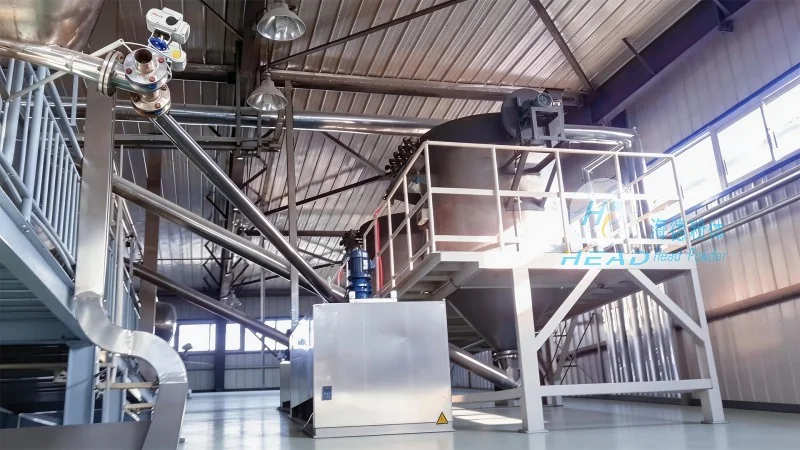
The effectiveness of a pneumatic conveying system for calcium hydroxide depends on several key components. These include the air compressor or blower, which provides the necessary pressure and airflow; the hopper or feeder, which controls the material flow into the system; the conveying line, which transports the material; and the receiver or silo, where the material is deposited. Additionally, accessories like filters, cyclones, and dust collectors are essential to maintain air quality and prevent dust contamination. The design of these components must consider the properties of calcium hydroxide, such as its reactivity and potential for caking, to ensure optimal performance and longevity of the system.
Applications of Calcium Hydroxide Pneumatic Conveying Systems
Calcium hydroxide is used in a variety of applications, and the pneumatic conveying systems designed for it serve these needs effectively. In the construction industry, it is used as a component in cement and mortar, requiring reliable transportation to mixing sites. In water treatment, it is employed for pH adjustment and flocculation, where consistent delivery to treatment plants is critical. The food industry also utilizes calcium hydroxide for food processing and preservation, demanding systems that ensure product purity and safety. Each application presents unique challenges, such as varying material flow rates or environmental regulations, which the pneumatic conveying systems must address to meet operational standards.
Advantages of Using Pneumatic Conveying for Calcium Hydroxide
Compared to traditional conveying methods, pneumatic conveying offers several advantages for calcium hydroxide. One of the primary benefits is the ability to transport material in a dust-free environment, reducing the risk of respiratory issues and contamination. This is particularly important in industries where air quality is a concern. Additionally, pneumatic systems can handle fine powders without the need for additional equipment like classifiers or screens, as the conveying process itself can maintain particle size distribution. Another advantage is the flexibility of the system, which can be easily integrated into existing production lines and adjusted to accommodate changes in production volume. The reduced need for manual handling also improves workplace safety and operational efficiency.
Challenges and Solutions in Calcium Hydroxide Pneumatic Conveying
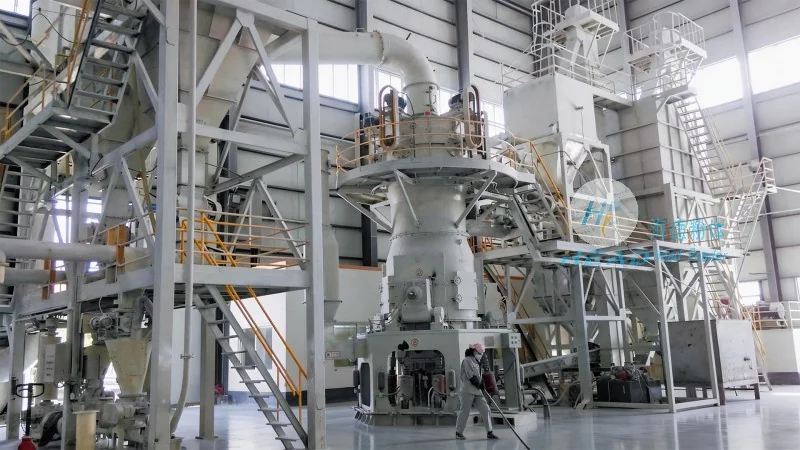
Despite the benefits, pneumatic conveying of calcium hydroxide also presents challenges that must be addressed. One common issue is the material's tendency to cake or agglomerate, which can block the conveying line and reduce system efficiency. To mitigate this, systems often include vibrators or agitators in the hopper to break up clumps before they enter the conveying line. Another challenge is the potential for corrosion due to the chemical properties of calcium hydroxide, especially when it is in contact with moisture. Materials such as stainless steel or specialized coatings are used to protect the equipment from corrosion, ensuring long-term durability. Additionally, the high velocity of air in dilute-phase systems can lead to wear and tear on the conveying line, requiring the use of wear-resistant materials like polyurethane or metal liners to extend the system's lifespan.
HeadPowder Engineering: Experts in Calcium Hydroxide Pneumatic Conveying Systems
Shandong HeadPowder Engineering Co., Ltd., commonly known as HeadPowder, is a leading manufacturer and supplier of pneumatic conveying systems for calcium hydroxide and other industrial powders. With years of experience in the industry, HeadPowder specializes in designing and manufacturing customized systems that meet the specific needs of clients. The company's team of engineers and technicians work closely with clients to understand their operational requirements and provide tailored solutions. HeadPowder's systems are known for their reliability, efficiency, and durability, making them a trusted choice for industries that rely on consistent and safe material transportation. The company's commitment to quality and customer satisfaction has earned it a reputation as a leader in the field of pneumatic conveying technology.