

Soybean Meal Technical Parameters and Conveying System Process
HeadPowder, a leading engineering firm based in Shandong, China, specializes in the design and implementation of advanced conveying systems tailored for soybean meal processing. This article delves into the critical technical parameters that define efficient soybean meal handling and the sophisticated conveyor technologies that ensure seamless material transport within industrial settings.
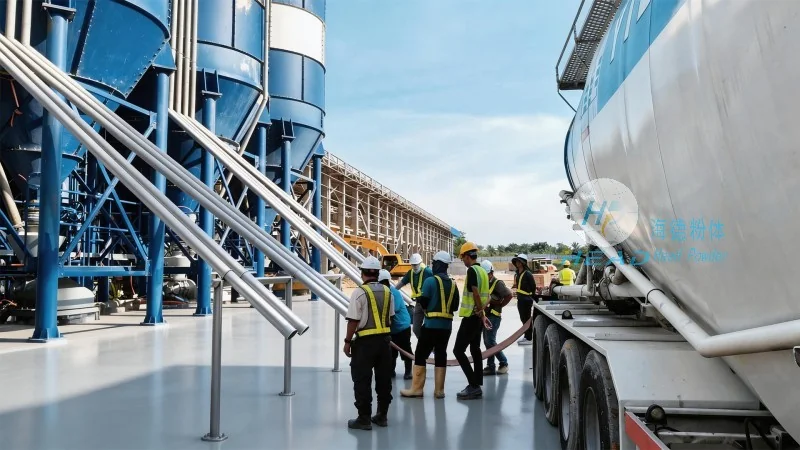
Key Technical Parameters for Soybean Meal Handling
The performance of soybean meal conveying systems hinges on several key technical parameters that optimize both efficiency and safety. These parameters are meticulously engineered to address the unique physical and chemical properties of soybean meal, which can vary based on processing methods and storage conditions. The primary technical parameters include bulk density, flowability, and moisture content, each of which directly impacts the design of the conveying equipment.
Bulk density, typically ranging from 0.6 to 0.8 g/cm³ for soybean meal, is a critical factor in determining the capacity and power requirements of the conveyor system. Higher bulk density means more material can be transported per unit time, reducing operational costs and increasing throughput. Flowability, often measured by angle of repose and compressibility, influences the choice of conveyor type—such as screw conveyors or pneumatic systems—ensuring smooth material movement without blockages or segregation.
Moisture content is another vital parameter, as excess moisture can lead to clumping, which hinders efficient conveying. Proper moisture control, through pre-drying or moisture monitoring systems, is essential to maintain consistent flow rates and prevent equipment wear. Additionally, the particle size distribution of soybean meal affects the selection of conveyor components, such as hopper design and screw pitch, to prevent material degradation or system clogging.
Advanced Conveying System Technologies for Soybean Meal
HeadPowder employs cutting-edge technologies to develop customized conveying solutions that meet the specific demands of soybean meal processing facilities. The primary technologies include screw conveyors, pneumatic conveying systems, and bucket elevators, each tailored to different operational requirements and material characteristics.
Screw conveyors are widely used for horizontal or slight incline transport due to their simplicity and reliability. These systems consist of a rotating helical screw within a trough, which moves material forward through friction. For soybean meal, screw conveyors are often equipped with variable speed drives and adjustable pitch screws to accommodate changes in bulk density and flowability. This flexibility ensures consistent material flow and reduces the risk of overloading or underloading.
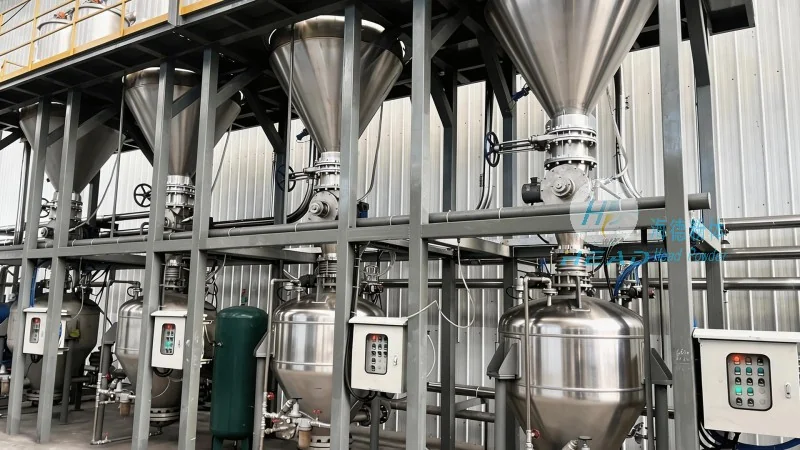
Pneumatic conveying systems, on the other hand, utilize air or gas to transport soybean meal in a closed pipeline system. This method is ideal for long-distance or vertical transport, as it minimizes material degradation and contamination. HeadPowder’s pneumatic systems incorporate positive displacement blowers or rotary lobe pumps to generate sufficient pressure, ensuring efficient material movement. The design of the pipeline, including the use of flexible hoses and rigid pipes, is optimized to prevent pressure losses and maintain consistent flow rates.
Bucket elevators are another critical component in soybean meal handling, particularly for vertical transport. These systems use a series of buckets attached to a chain or belt, which lifts material from a lower to a higher level. The design of the bucket elevator, including the speed of the buckets and the angle of inclination, is carefully calculated to prevent material spillage and ensure smooth operation. HeadPowder’s bucket elevators are equipped with safety features, such as overload sensors and emergency stop mechanisms, to enhance operational safety.
Integration of Conveying Systems with Processing Facilities
The effectiveness of soybean meal conveying systems is maximized when integrated with the overall processing facility. HeadPowder’s engineering approach emphasizes the coordination of conveying systems with other equipment, such as storage silos, grinding mills, and packaging lines. This integration ensures seamless material flow from raw soybean meal to the final product, minimizing downtime and optimizing production efficiency.
For example, in a typical soybean meal processing plant, the conveying system may start with a receiving hopper that feeds a screw conveyor to transport the meal to a storage silo. From the silo, a pneumatic system may transport the meal to a grinding mill for further processing. The bucket elevator then lifts the ground meal to a packaging line for final distribution. This integrated approach ensures that each stage of the process is optimized for performance, with minimal material loss and maximum throughput.
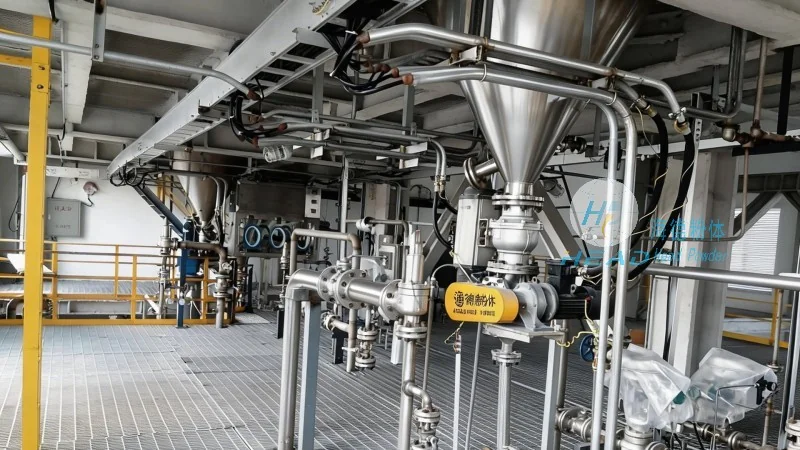
HeadPowder’s engineers work closely with clients to understand their specific processing needs and design conveying systems that align with their production goals. By considering factors such as production capacity, material characteristics, and facility layout, the company develops customized solutions that enhance operational efficiency and reduce maintenance costs. The integration of advanced control systems, such as PLC (Programmable Logic Controller) and SCADA (Supervisory Control and Data Acquisition), further optimizes the performance of the conveying systems, allowing for real-time monitoring and adjustment.
Ensuring Reliability and Durability in Conveying Systems
HeadPowder prioritizes the reliability and durability of its conveying systems, recognizing that soybean meal processing facilities operate continuously and require minimal downtime. The company uses high-quality materials, such as stainless steel and corrosion-resistant alloys, to construct conveyor components that can withstand the harsh conditions of soybean meal handling. These materials are chosen for their resistance to abrasion, corrosion, and wear, ensuring long service life and reduced maintenance requirements.
Regular maintenance and inspection are also critical to maintaining the performance of the conveying systems. HeadPowder provides comprehensive maintenance services, including routine checks, component replacement, and system upgrades, to ensure that the equipment operates at peak efficiency. The company’s team of experienced engineers and technicians is trained to identify and resolve issues quickly, minimizing downtime and maximizing production output.
In addition to material selection and maintenance, HeadPowder incorporates advanced monitoring technologies to enhance system reliability. Sensors and data loggers are installed to track key parameters, such as temperature, pressure, and flow rate, providing real-time insights into system performance. This data is used to predict potential issues and schedule preventive maintenance, reducing the risk of unexpected failures and ensuring continuous operation.
Conclusion
HeadPowder Engineering Co., Ltd. offers comprehensive solutions for soybean meal technical parameters and conveying system processes, leveraging advanced engineering and technology to meet the evolving needs of the industry. By focusing on key technical parameters, utilizing cutting-edge conveying technologies, and integrating systems with processing facilities, the company delivers reliable, efficient, and durable solutions that enhance operational performance and reduce costs. With its headquarters in Shandong, China, HeadPowder continues to be a leader in the design and implementation of soybean meal handling systems, providing clients with the tools they need to succeed in a competitive market.