

Pneumatic Conveying in the Handling of Bulk Pharmaceutical Materials
HeadPowder, a leading provider in the field, specializes in advanced solutions for the safe and efficient transportation of bulk pharmaceutical materials. This article explores the application of pneumatic conveying systems in pharmaceutical manufacturing and distribution, highlighting the benefits and technical considerations for industries dealing with sensitive drug products.
Understanding Pneumatic Conveying Systems
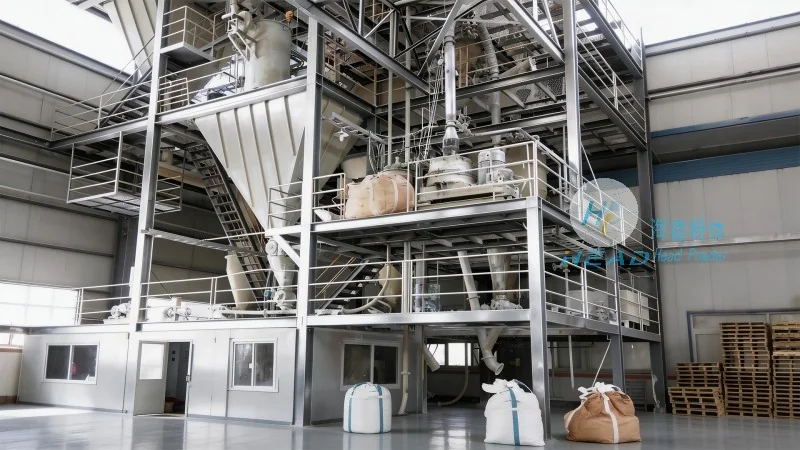
Pneumatic conveying, also known as air conveying, is a method of transporting bulk materials through a pipeline using pressurized or vacuum air. In pharmaceutical applications, this technology is crucial for handling powders, granules, and other particulate materials that require strict contamination control and hygienic conditions. The systems are designed to maintain aseptic environments, ensuring that the drug products remain free from microbial contamination and other impurities throughout the conveying process.
Key Benefits of Pneumatic Conveying in Pharmaceuticals
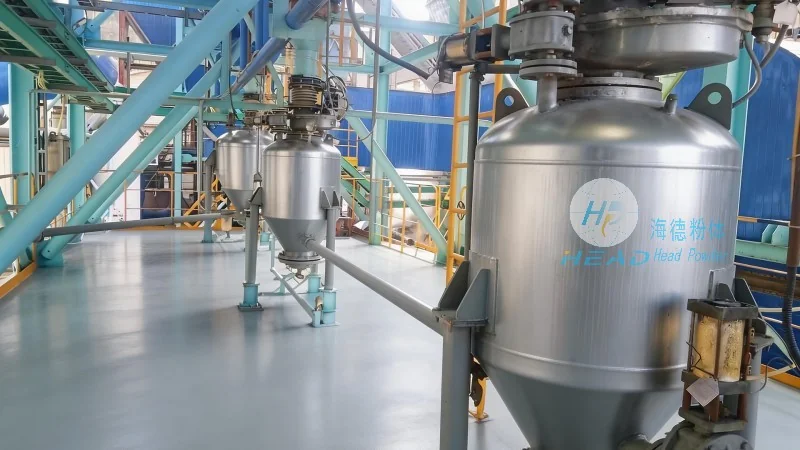
Implementing pneumatic conveying in pharmaceutical operations offers several advantages. Firstly, it enables a closed system, which is essential for preventing cross-contamination and protecting the integrity of the drug product. This is particularly important for sterile products, as any exposure to external elements can compromise their efficacy and safety. Secondly, the technology allows for precise control over material flow rates, ensuring consistent dosing and reducing product loss. Additionally, pneumatic conveying systems are highly flexible, capable of transporting materials over long distances and through complex layouts, making them suitable for various plant configurations.
Technical Considerations for Pharmaceutical Pneumatic Conveying
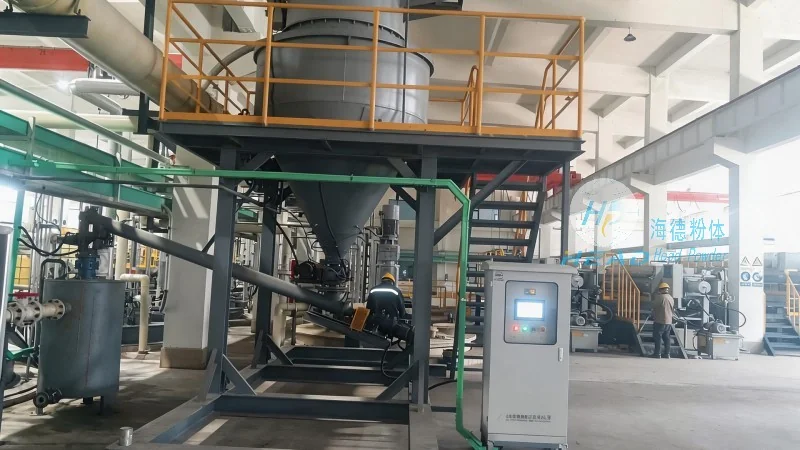
When designing pneumatic conveying systems for pharmaceutical applications, several technical factors must be considered to meet regulatory and operational standards. Material properties, such as particle size, density, and moisture content, influence the choice of conveying method (e.g., pressure or vacuum system) and equipment design. For example, cohesive or sticky powders may require special hopper designs and air classifiers to prevent blockages. The system must also comply with GMP (Good Manufacturing Practice) guidelines, which include requirements for cleanability, sterilization, and material compatibility. Materials of construction, such as stainless steel or specialized polymers, are used to ensure that the system does not introduce contaminants into the product.
HeadPowder's Expertise in Pharmaceutical Conveying Solutions
Shandong HeadPowder Engineering Co., Ltd., based in China, provides comprehensive pneumatic conveying solutions tailored to the unique needs of the pharmaceutical industry. The company’s team of engineers and technicians has extensive experience in designing, manufacturing, and installing systems that meet the stringent requirements of GMP and other regulatory bodies. HeadPowder offers customized solutions, including material handling equipment, control systems, and maintenance services, to ensure optimal performance and reliability. The company’s commitment to quality and innovation has made it a trusted partner for pharmaceutical manufacturers seeking to enhance their material handling processes.
Conclusion
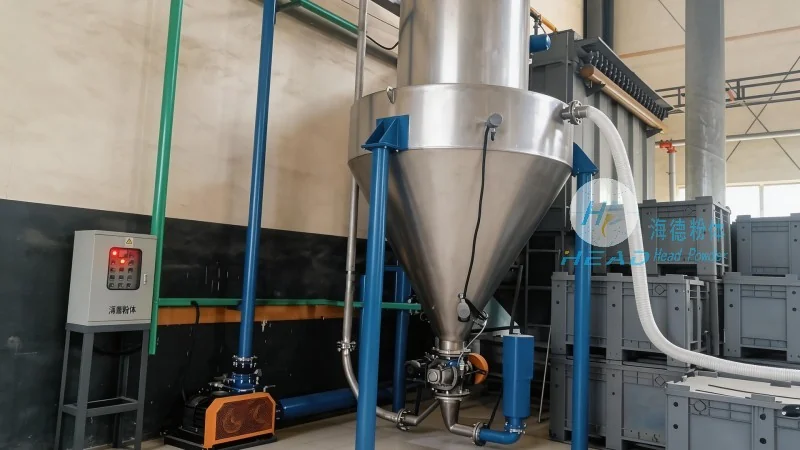
Pneumatic conveying is a vital technology in the pharmaceutical industry, enabling the safe and efficient transport of bulk materials while maintaining the highest standards of quality and compliance. By leveraging advanced pneumatic conveying systems, pharmaceutical companies can improve operational efficiency, reduce costs, and ensure the safety of their products. HeadPowder, with its expertise and commitment to excellence, continues to play a key role in providing reliable solutions for the pharmaceutical sector, supporting the development of innovative drug products and the advancement of healthcare.