

Airborne Conveying in the Bulk Handling of Clay Ash
Shandong HeadPowder Engineering Co., Ltd., a leading provider of bulk material handling solutions, specializes in the design and implementation of efficient air conveying systems tailored for the transportation of clay ash. This article explores the application of airborne conveying technology in the context of clay ash bulk handling, highlighting the technical advantages and practical benefits that such systems offer to industrial operations.
Understanding Airborne Conveying Technology
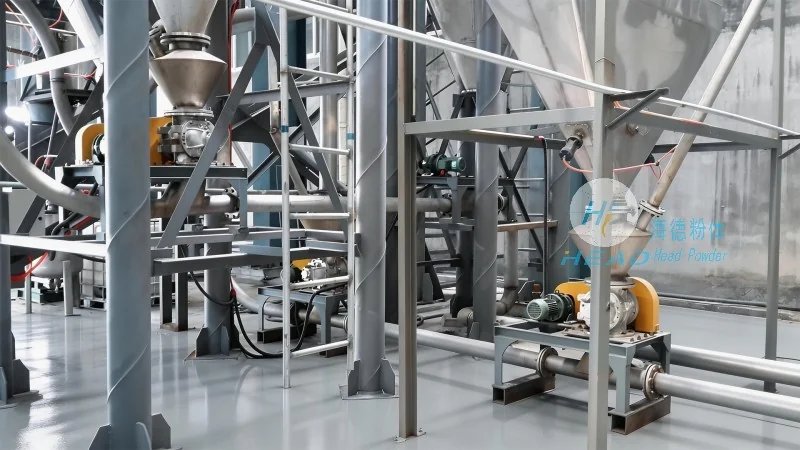
At its core, air conveying, or pneumatic conveying, involves the transport of bulk materials through a pipeline using a stream of air. In the case of clay ash, which is often a fine, abrasive material, the choice of conveying system is critical to ensure optimal performance, minimal maintenance, and compliance with safety standards. The systems typically consist of a material feed hopper, a conveyor line (often with multiple sections for different conveying phases), and a discharge unit. The air is generated by a blower or fan, creating a pressure differential that propels the material through the pipeline.
Key Advantages of Air Conveying for Clay Ash
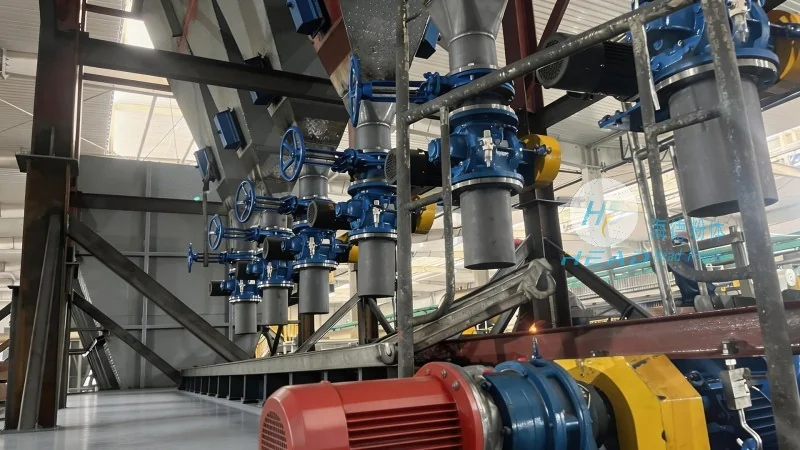
When compared to traditional mechanical conveying methods like belt conveyors or screw conveyors, air conveying offers several distinct advantages for clay ash handling. Firstly, it eliminates the need for physical contact between the material and the conveying equipment, reducing wear and tear and extending the lifespan of the system components. This is particularly beneficial for clay ash, which can be abrasive and cause significant wear on metal surfaces. Secondly, air conveying systems are highly flexible in terms of layout, allowing for vertical, horizontal, or even inclined transport without the need for complex mechanical adjustments. This flexibility enables the integration of conveying lines into existing industrial facilities with minimal disruption. Thirdly, the technology provides excellent dust control, as the material is contained within the pipeline, preventing dust emissions that can impact worker health and environmental compliance. Additionally, air conveying systems can handle a wide range of material characteristics, including varying particle sizes and moisture content, making them adaptable to different clay ash compositions.
System Components and Operational Efficiency
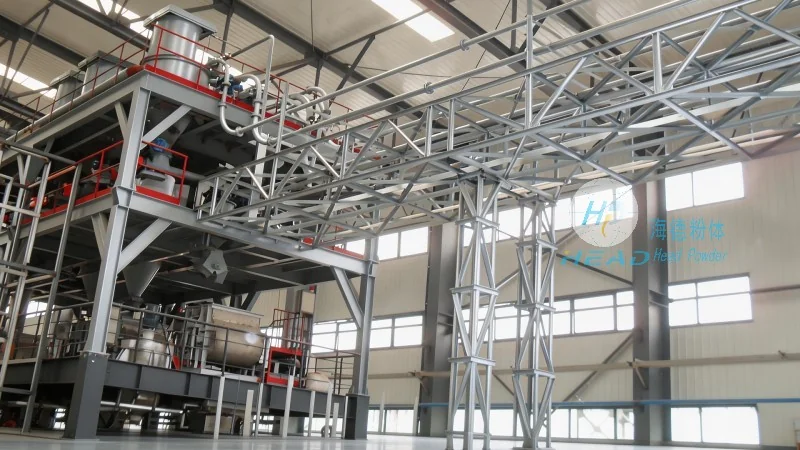
The effectiveness of an air conveying system for clay ash depends on the proper selection and integration of its key components. The material feed hopper is designed to store and meter the clay ash into the conveyor line, ensuring a consistent flow rate. The blower or fan provides the necessary air pressure to move the material through the pipeline, with the pressure level adjusted based on the distance and height of the conveying route. The conveyor line itself is typically made of durable materials such as stainless steel or corrosion-resistant alloys to withstand the abrasive nature of clay ash. The system may include intermediate pulse jets or cleaning mechanisms to prevent material buildup and maintain consistent airflow. Operational efficiency is enhanced by the ability to control the conveying rate and pressure in real-time, allowing for adjustments based on production demands or material variations. This adaptability ensures that the system operates at peak performance while minimizing energy consumption.
Application Examples and Case Studies
Shandong HeadPowder Engineering Co., Ltd. has successfully implemented air conveying systems for clay ash in various industrial applications. For instance, in a cement production facility, the system was used to transport clay ash from storage silos to the raw material processing plant, covering a horizontal distance of 200 meters and a vertical rise of 30 meters. The system demonstrated a conveying capacity of 50 tons per hour, with minimal material loss and reduced dust emissions compared to traditional methods. Another application involved the handling of clay ash from a waste-to-energy plant, where the material was conveyed over a distance of 500 meters to a disposal site. The system’s flexibility allowed for the integration of multiple conveying lines, enabling the simultaneous transport of different material streams. These case studies highlight the reliability and efficiency of air conveying systems in handling clay ash, making them a preferred choice for industries seeking sustainable and cost-effective bulk material handling solutions.
Conclusion and Future Outlook
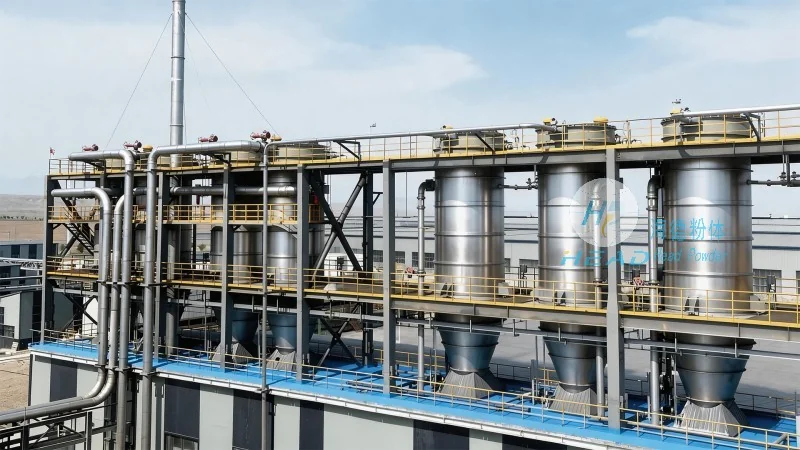
In conclusion, airborne conveying systems represent a highly effective solution for the bulk handling of clay ash, offering significant advantages in terms of efficiency, durability, and environmental compliance. Shandong HeadPowder Engineering Co., Ltd. leverages its expertise in pneumatic conveying technology to design and deliver customized systems that meet the specific needs of industrial clients. By focusing on the technical aspects of material handling and the practical requirements of industrial operations, the company ensures that its air conveying solutions not only enhance productivity but also contribute to the overall sustainability of the client’s operations. As the demand for efficient bulk material handling continues to grow, air conveying technology will remain a key component in the processing and transportation of clay ash, supporting the advancement of industrial applications and environmental stewardship.