

Pneumatic Conveying for Bulk Soybean Transportation
For industries dealing with bulk agricultural products like soybeans, efficient and reliable transportation methods are crucial to maintaining product quality and operational efficiency. Pneumatic conveying systems have emerged as a preferred solution for moving soybeans from storage to processing facilities, offering advantages such as reduced contamination, lower labor costs, and enhanced safety. This article explores the application of pneumatic conveying technology in the bulk handling of soybeans, highlighting key considerations and benefits for agricultural operations.
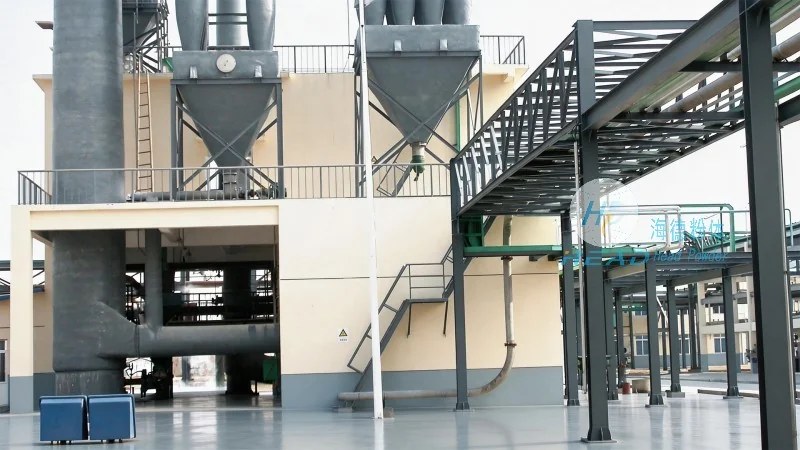
Understanding Pneumatic Conveying Systems
Pneumatic conveying utilizes air pressure to transport bulk materials through a network of pipes. There are two primary types: dilute-phase and dense-phase systems. Dilute-phase systems, which are commonly used for soybeans, rely on high-velocity air to suspend the material, allowing for long-distance transport with minimal pressure drops. Dense-phase systems, on the other hand, use lower air velocities and higher material concentrations, making them suitable for sensitive products that require gentle handling. The choice between these systems depends on factors like distance, material characteristics, and the desired level of control over particle movement.
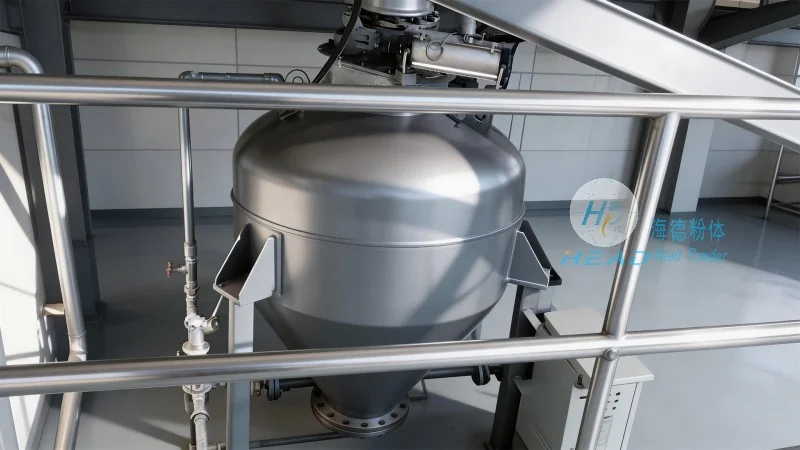
Key Benefits of Pneumatic Conveying for Soybeans
Implementing pneumatic conveying for soybean transportation offers several advantages that directly impact operational performance. First, it minimizes product contamination by eliminating the need for manual handling or open storage. Soybeans are sensitive to moisture and microbial growth, and pneumatic systems keep them enclosed, reducing the risk of spoilage. Second, these systems reduce labor costs by automating the transfer process, which is particularly beneficial for large-scale operations. Automated conveying also improves safety by removing workers from hazardous environments, such as high-level silos or conveyor belts. Additionally, pneumatic conveying allows for precise control over material flow, enabling consistent processing speeds and reducing downtime.
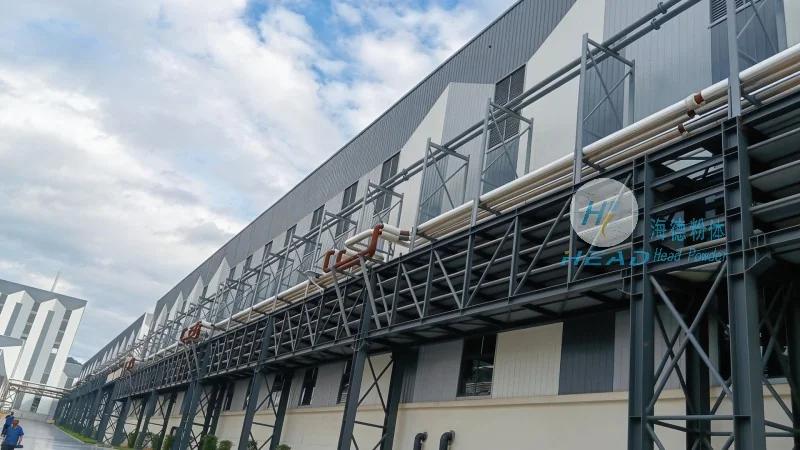
Design Considerations for Soybean Pneumatic Conveying
When designing a pneumatic conveying system for soybeans, several factors must be carefully considered to ensure optimal performance. Material properties, such as particle size, density, and moisture content, play a critical role in determining the system's configuration. Soybeans are typically small, irregularly shaped, and have a relatively low bulk density, which affects air velocity requirements. Engineers must calculate the appropriate air flow rates and pressure levels to prevent material buildup or blockages in the pipes. The system's layout, including the number and placement of inlets and outlets, also impacts efficiency. A well-designed layout minimizes pressure losses and ensures smooth material flow throughout the entire conveying process. Furthermore, the choice of materials for the pipes and components is essential to prevent corrosion or wear from soybean particles, which can degrade system performance over time.
HeadPowder Engineering's Expertise in Soybean Conveying Solutions
Shandong HeadPowder Engineering Co., Ltd., a leading provider of bulk material handling solutions, specializes in designing and manufacturing pneumatic conveying systems tailored to the unique needs of soybean processing facilities. With years of experience in the agricultural industry, HeadPowder understands the challenges faced by soybean producers and processors, including the need for reliable, cost-effective, and hygienic transportation solutions. The company's team of engineers employs advanced design software and industry best practices to develop customized systems that meet specific operational requirements. Whether for short-distance transport within a facility or long-distance transfer between storage and processing sites, HeadPowder's solutions are engineered to maximize efficiency and minimize downtime. The company's commitment to quality and customer satisfaction has made it a trusted partner for agricultural operations across China and beyond.
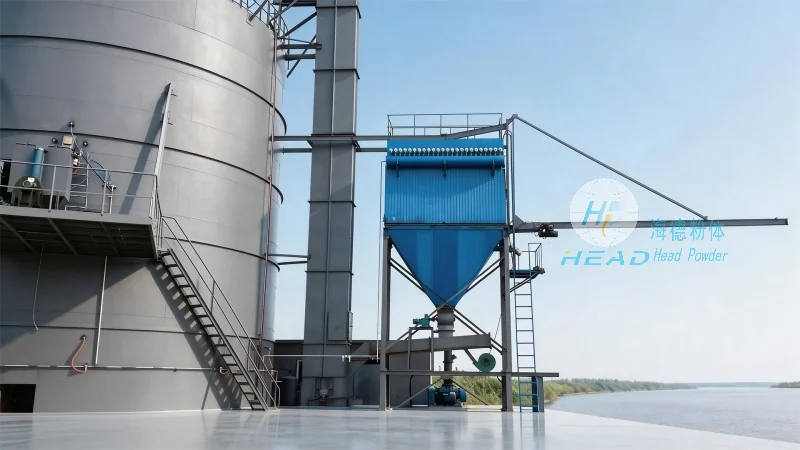
Conclusion: Enhancing Soybean Handling with Pneumatic Conveying
Pneumatic conveying has revolutionized the way soybeans are transported and handled in modern agricultural operations. By leveraging air pressure to move bulk materials, these systems offer significant advantages over traditional methods, including reduced contamination, lower labor costs, and improved safety. When properly designed and implemented, pneumatic conveying systems can enhance the overall efficiency and profitability of soybean processing facilities. For businesses seeking to optimize their soybean handling processes, partnering with a reputable provider like Shandong HeadPowder Engineering Co., Ltd. can provide the expertise and solutions needed to achieve reliable, cost-effective, and sustainable transportation solutions. As the demand for efficient bulk material handling continues to grow, pneumatic conveying remains a vital technology for the agricultural industry, ensuring that soybeans are moved safely and efficiently from field to market.