

Introduction to Powder Handling Systems: Structural Principles and Operational Overview
Shandong HeadPowder Engineering Co., Ltd., commonly known as headpowder, is a leading provider of powder handling solutions based in Shandong, China. The company specializes in the design, manufacturing, and integration of systems for efficient powder material transport. This overview aims to explain the fundamental structural principles and operational mechanics of such systems, highlighting key components and their roles in ensuring reliable material flow.
Powder Handling Systems: Core Components and Functionality
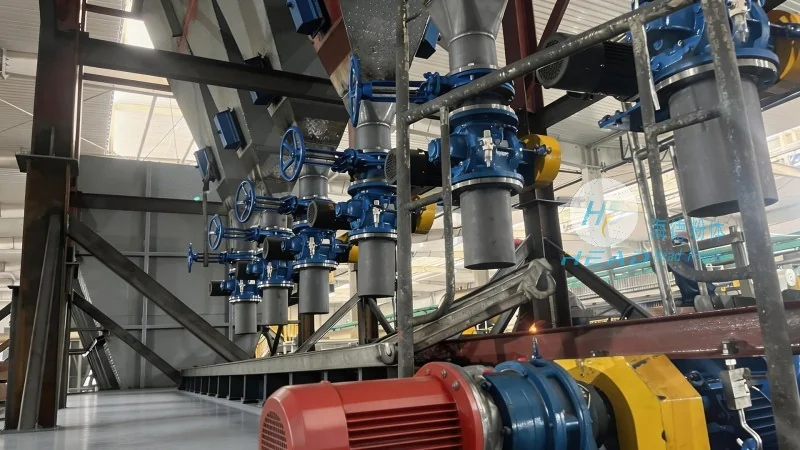
A typical powder handling system comprises several interconnected components that work in tandem to move bulk materials from a source to a destination. The primary elements include a feed hopper, a conveying mechanism (such as a pneumatic or mechanical conveyor), a control unit, and a discharge outlet. Each component plays a critical role in the overall system performance.
The feed hopper is responsible for storing and regulating the flow of powder into the system. It often features a sloped bottom and a discharge valve to control the rate of material release, preventing overloading or blockages. The conveying mechanism, which can be either pneumatic (using air pressure to move particles) or mechanical (utilizing belts, screws, or wheels), is the heart of the system. Pneumatic systems are particularly effective for fine powders and can handle long distances with minimal maintenance. Mechanical systems, on the other hand, are suitable for larger particles and high-volume applications, offering robust and reliable operation.
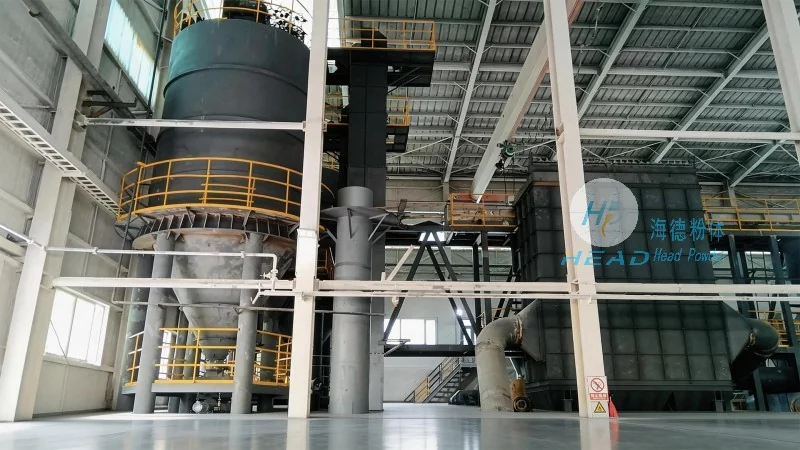
The control unit is essential for managing the system's operation. It monitors parameters such as pressure, flow rate, and temperature, and adjusts the conveying speed or pressure as needed to maintain optimal performance. This unit may include sensors, valves, and a programmable logic controller (PLC) to automate the process and ensure safety. The discharge outlet is where the material exits the system, typically directed to a storage bin, processing equipment, or packaging unit.
Structural Principles: How Powder Handling Systems Operate
The structural principles of powder handling systems are based on the physics of material movement and the mechanics of the conveying equipment. The key principles include gravity, air pressure, and mechanical force, each applied in different configurations depending on the system design. For example, in a pneumatic system, the air pressure creates a flow of powder particles, while in a screw conveyor, the rotating screw pushes the material forward through the tube.

One critical aspect of system design is the prevention of material buildup and blockages. This is achieved through features like anti-static coatings, which reduce the risk of static electricity causing powder clumping, and smooth internal surfaces that minimize friction and particle adhesion. Additionally, the system may include cleaning mechanisms, such as reverse airflow or mechanical scrapers, to maintain efficiency over time.
The structural layout of the system is also important for optimizing performance. Components are typically arranged to minimize the number of bends and changes in direction, as these can cause pressure drops and material degradation. The use of straight sections and gradual transitions helps maintain consistent flow rates and prevents the formation of dead zones where powder can accumulate.
Applications and Advantages of Powder Handling Systems
Powder handling systems are widely used across various industries, including pharmaceuticals, food processing, chemicals, and mining. In the pharmaceutical industry, for instance, such systems are crucial for transporting active ingredients and excipients with high precision and minimal contamination. The food industry relies on them to move ingredients like flour, sugar, and spices while maintaining hygiene standards. In chemical manufacturing, they help handle raw materials and finished products efficiently, reducing downtime and improving production throughput.
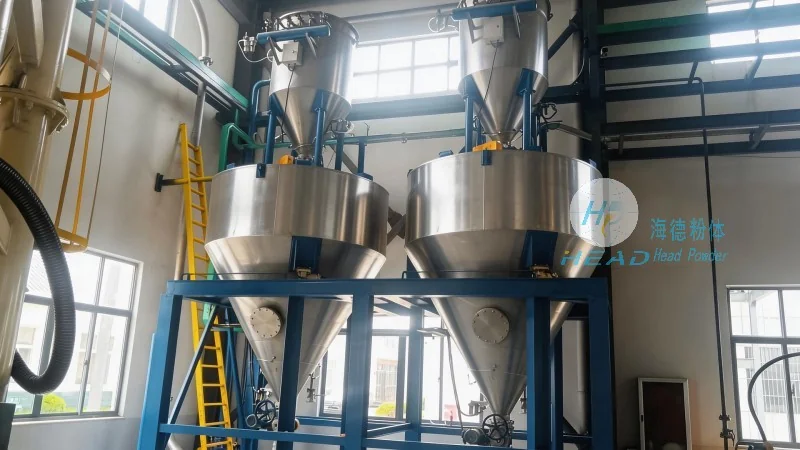
The advantages of modern powder handling systems include improved efficiency, reduced labor costs, and enhanced safety. Automated control systems minimize human intervention, leading to more consistent and reliable material flow. Additionally, advanced materials and design features reduce the risk of product contamination and equipment wear, extending the system's lifespan and lowering maintenance expenses.
Shandong HeadPowder Engineering Co., Ltd. offers customized powder handling solutions tailored to specific industry needs. By integrating the latest structural principles and operational technologies, the company ensures that its systems meet the highest standards of performance and reliability. Whether for small-scale laboratory applications or large-scale industrial operations, headpowder provides robust and efficient solutions that enhance productivity and operational safety.