

Introduction to Cement Pneumatic Conveying System Equipment and Its Structural Principles
For industrial applications, efficient material handling is crucial, especially when dealing with bulk materials like cement. The cement pneumatic conveying system, as a key piece of equipment in the powder processing industry, offers a reliable solution for transporting cement and other similar powders. This article provides an overview of the equipment, its structural components, and the underlying principles of its operation, highlighting the technical aspects and practical applications of the system.
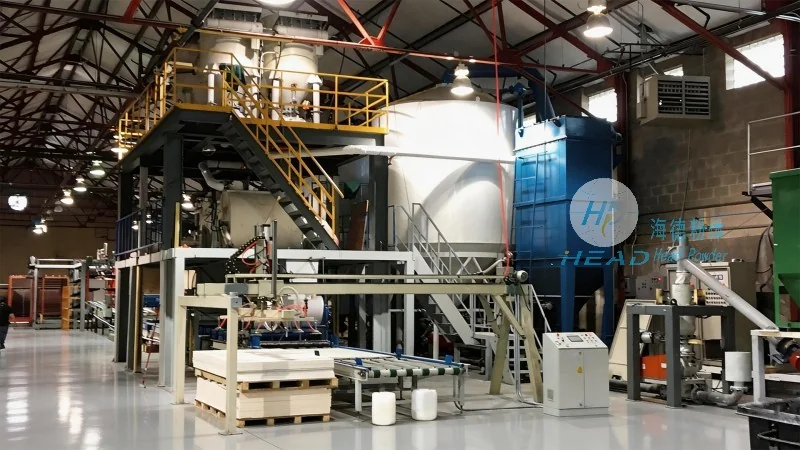
Key Components of the Cement Pneumatic Conveying System
The cement pneumatic conveying system comprises several essential components that work in tandem to ensure smooth material transport. These components include the material feeder, which introduces the cement into the system; the conveying line, which can be either a pipeline or a flexible hose; the air compressor or blower, which generates the necessary airflow to move the material; and the control valves and filters that regulate the air flow and maintain system efficiency. Each component plays a vital role in the overall functionality of the system, and their proper integration is critical for optimal performance.
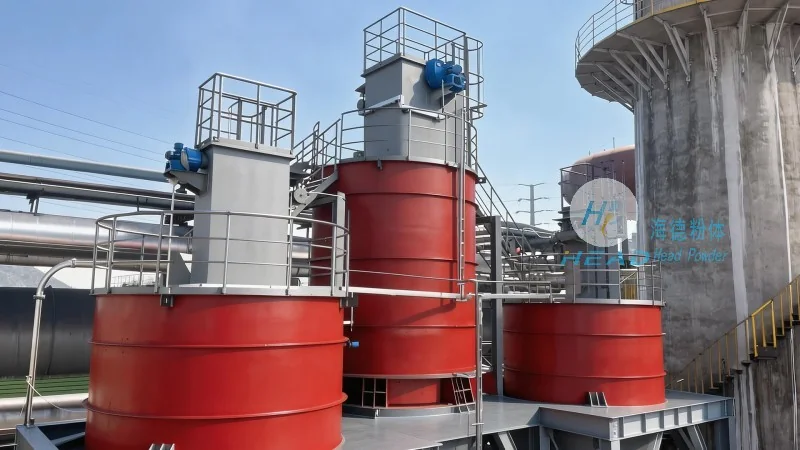
Structural Design and Working Principle
The structural design of the cement pneumatic conveying system is engineered to handle the specific characteristics of cement, such as its fine particle size and potential for dust generation. The system typically operates on the principle of pneumatic transport, where compressed air is used to create a flow that carries the cement particles through the conveying line. The air flow is controlled to maintain a consistent velocity, ensuring that the cement particles are transported without excessive pressure drops or blockages. The system may also incorporate features like cyclone separators or filters to separate the cement from the air at the discharge end, preventing dust contamination and maintaining air quality.
Advantages and Applications in Cement Handling
Implementing a cement pneumatic conveying system offers several advantages over traditional methods like belt conveyors or bucket elevators. These benefits include higher efficiency in material transport, reduced labor costs, and improved safety by minimizing manual handling of cement. The system is particularly suitable for applications where long-distance or vertical transport of cement is required, such as in cement plants, construction sites, and industrial facilities. By leveraging the principles of pneumatic transport, the system can handle large volumes of cement while maintaining a compact footprint and low maintenance requirements.
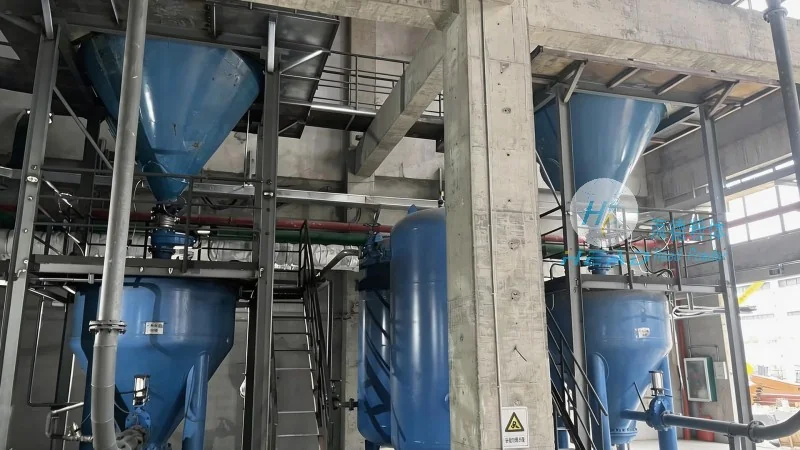
Company Information and Technical Support
Shandong HeadPowder Engineering Co., Ltd., commonly known as headpowder, is a leading manufacturer specializing in cement pneumatic conveying systems and related equipment. With a focus on innovation and quality, the company provides comprehensive solutions tailored to the specific needs of its clients. Headpowder's expertise lies in designing and manufacturing robust, reliable systems that meet industry standards and enhance operational efficiency. The company is located in Shandong, China, and its products are backed by technical support and after-sales service, ensuring that clients receive the necessary assistance throughout the equipment's lifecycle. Headpowder is committed to delivering high-performance cement pneumatic conveying systems that contribute to the success of industrial operations.