

Introduction to Continuous Material Loading Pneumatic Conveying Equipment and Its Structural Princip
HeadPowder, a leading manufacturer specializing in pneumatic conveying technology, is headquartered in Shandong, China. The company focuses on developing and producing high-efficiency continuous material loading pneumatic conveying systems, which are widely utilized across various industrial sectors for bulk material transport. This article provides a comprehensive overview of the equipment, detailing its structural design and operational principles to assist users in understanding its functionality and practical applications.
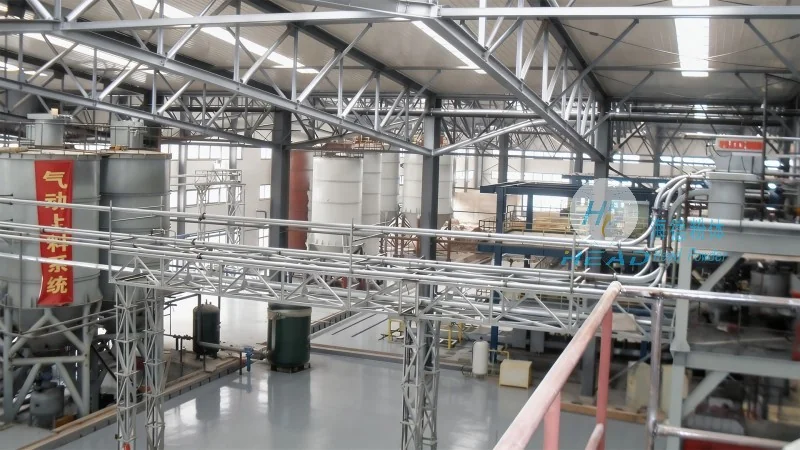
Overview of Continuous Material Loading Pneumatic Conveying Equipment
Continuous material loading pneumatic conveying equipment is an industrial system engineered to transport bulk materials over long distances or between processing stages using a pressurized or vacuum air stream. Unlike traditional mechanical conveyors, this equipment offers advantages such as minimal product contamination, flexible layout configurations, and the ability to handle diverse materials including powders, granules, and fine particles. The system is particularly suited for applications where hygiene, dust control, and material preservation are critical, such as in the food, pharmaceutical, and chemical industries.
Key Structural Components of the Equipment
The continuous material loading pneumatic conveying system comprises several essential components that work in unison to ensure efficient material transport. The primary components include:
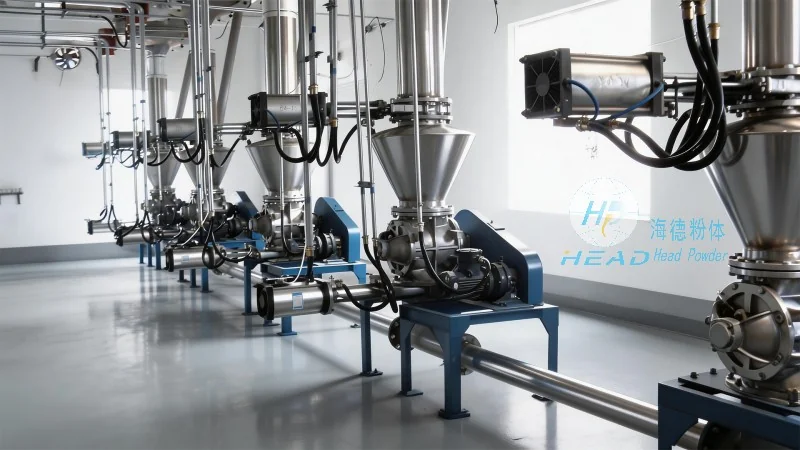
- Feeding Unit: This component introduces material into the system, typically consisting of a hopper, rotary valve, or screw feeder. It ensures consistent and controlled material flow into the pipeline, adapting to material characteristics and required feeding rates.
- Pneumatic Conveying Pipeline: The pipeline serves as the main channel for material and air travel, usually constructed from stainless steel or other corrosion-resistant materials. This design withstands abrasive materials and maintains hygiene standards. The pipeline can be arranged in horizontal, vertical, or combined configurations to accommodate plant layouts.
- Air Supply System: This system generates the necessary air pressure or vacuum to move material through the pipeline. It includes a blower or vacuum pump, an air filter to remove contaminants, and a pressure regulator to maintain stable air pressure. The air supply system is critical for consistent and reliable operation.
- Material Separation and Collection Unit: At the receiving end, this unit separates material from the air stream. It may feature a cyclone separator, bag filter, or a combination thereof, depending on particle size and air purification needs. Separated material is collected in a hopper or storage bin, while clean air is either vented or recycled to conserve energy and reduce environmental impact.
Operational Principles and Working Mechanism
The equipment operates by first feeding material into the system from the feeding unit while the air supply system generates the required air pressure or vacuum. Material is then entrained by the air stream as it enters the pipeline, forming a dense or dilute phase flow. In the dense phase mode, material travels in a slurry-like state, reducing degradation risk and enhancing efficiency. In the dilute phase mode, material moves as suspended particles, suitable for longer distances or abrasive materials.
As the material-air mixture travels through the pipeline, bends, elbows, or vertical sections adjust for direction or elevation changes. Air flow rate is controlled to maintain desired material velocity and prevent blockages. At the receiving end, the separation unit isolates material from air. The material is collected for further processing, while air is filtered and either discharged or recycled.
Advantages and Applications of Continuous Material Loading Pneumatic Conveying Equipment
Continuous material loading pneumatic conveying equipment offers several advantages over traditional mechanical conveyors, making it a preferred choice in many industrial applications. Key advantages include:
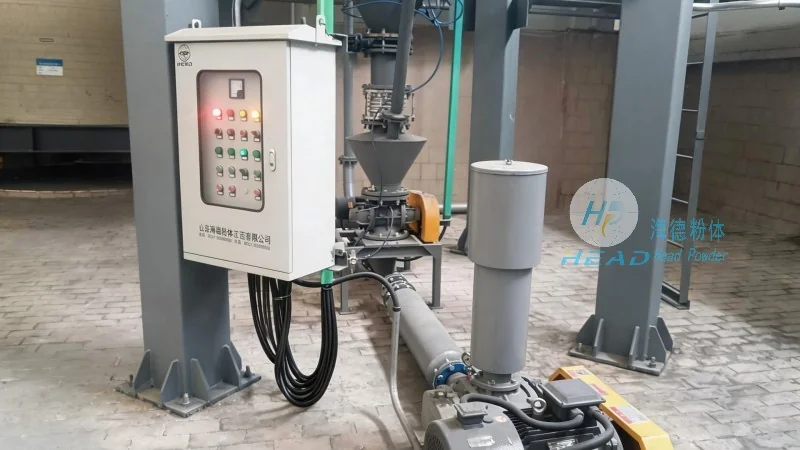
- Hygienic and Clean Operation: Enclosed pipeline design prevents dust and contamination, ideal for food and pharmaceutical industries where product purity is paramount.
- Flexibility in Layout: The equipment can be integrated into existing or new facility designs with various configurations.
- Low Maintenance: Fewer moving parts reduce wear and tear and minimize maintenance requirements compared to mechanical conveyors.
- Energy Efficiency: Advanced blower designs and optimized air flow rates reduce energy consumption, leading to long-term cost savings.
- Ability to Handle Diverse Materials: The system can transport a wide range of materials without causing damage or degradation.
These advantages make the equipment suitable for applications such as:
- Transporting raw materials from storage silos to processing lines in the chemical industry.
- Conveying finished products from production lines to packaging stations in the food and beverage industry.
- Moving powders and granules between stages of pharmaceutical manufacturing.
- Handling bulk materials in the mining and minerals processing sector.
Conclusion
Continuous material loading pneumatic conveying equipment is a sophisticated and efficient solution for bulk material transport in modern industries. With its advanced structural design and operational principles, this equipment provides significant advantages over traditional mechanical conveyors, including improved hygiene, flexibility, and energy efficiency. HeadPowder, with its expertise in pneumatic conveying technology and its base in Shandong, China, continues to develop and supply high-quality equipment that meets evolving industrial needs. By understanding the structural components and operational principles of this equipment, users can make informed decisions about its application and integration into their production processes.