

Introduction to Dust-Free Pneumatic Conveying Equipment: Overview of Structure and Working Principle
HeadPowder, a leading manufacturer based in Shandong, China, specializes in the design and production of advanced dust-free pneumatic conveying equipment. This equipment is engineered to efficiently transport bulk materials while maintaining a clean and controlled environment, making it ideal for industries where dust contamination is a critical concern. The following overview details the structural components and operational principles of these systems, highlighting their key features and benefits.
Key Structural Components of Dust-Free Pneumatic Conveying Systems
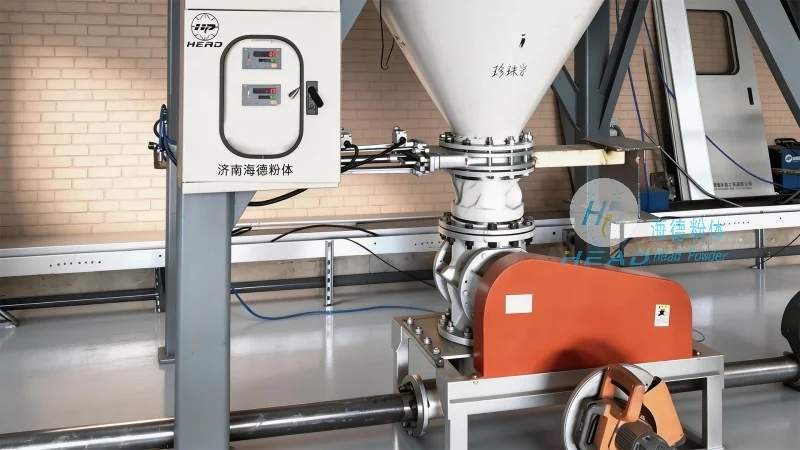
The core components of a dust-free pneumatic conveying system include the material feed hopper, the conveying pipeline, the air supply system, and the control unit. The feed hopper is designed to store and meter the bulk material, ensuring a consistent flow into the system. It typically features a sealed design to prevent dust leakage and is equipped with a discharge valve for controlled material release. The conveying pipeline is made from materials resistant to corrosion and abrasion, such as stainless steel or specialized plastic composites, to withstand the demands of continuous operation. The air supply system consists of a blower or compressor that generates the necessary airflow to move the material through the pipeline. This system is often equipped with filters and moisture separators to maintain air quality and prevent contamination. The control unit monitors and regulates the operation of the entire system, ensuring optimal performance and safety.
Working Principles of Dust-Free Pneumatic Conveying Equipment
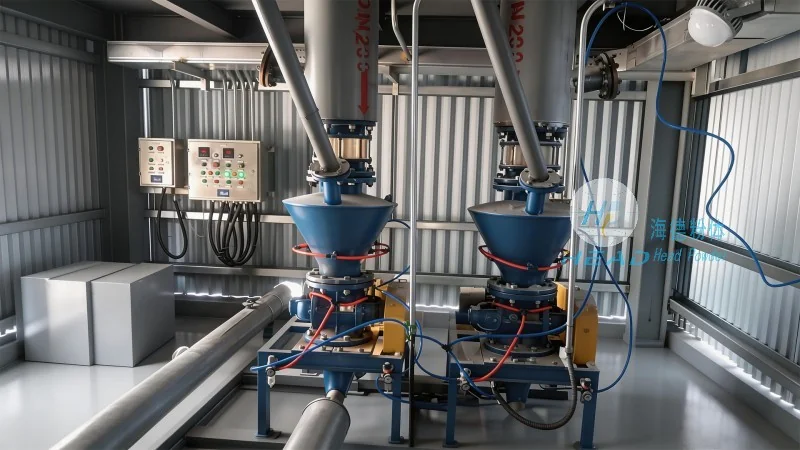
The operation of dust-free pneumatic conveying equipment is based on the principle of air flow to transport bulk materials. In a typical system, the material is fed into the hopper and then drawn into the conveying pipeline by the airflow generated by the blower. The air and material mixture travels through the pipeline under pressure, with the material being suspended and carried to the destination point. At the receiving end, the material is separated from the air through a cyclone separator or other filtration device, allowing the material to be discharged while the air is recirculated or vented. This process ensures that the material is transported efficiently and with minimal dust generation, maintaining a clean environment throughout the operation.
Advantages of Using Dust-Free Pneumatic Conveying Systems
Dust-free pneumatic conveying systems offer several advantages over traditional mechanical conveying methods. These include improved safety by reducing dust exposure, enhanced product quality by minimizing contamination, and increased efficiency through automated operation. The sealed design of the equipment prevents dust from escaping into the environment, making it suitable for applications in pharmaceuticals, food processing, and other industries where product purity is paramount. Additionally, the systems are capable of transporting materials over long distances and through complex layouts, providing flexibility in plant design. The use of advanced materials and engineering in the construction of these systems ensures durability and low maintenance requirements, contributing to long-term cost savings.
Applications in Various Industries
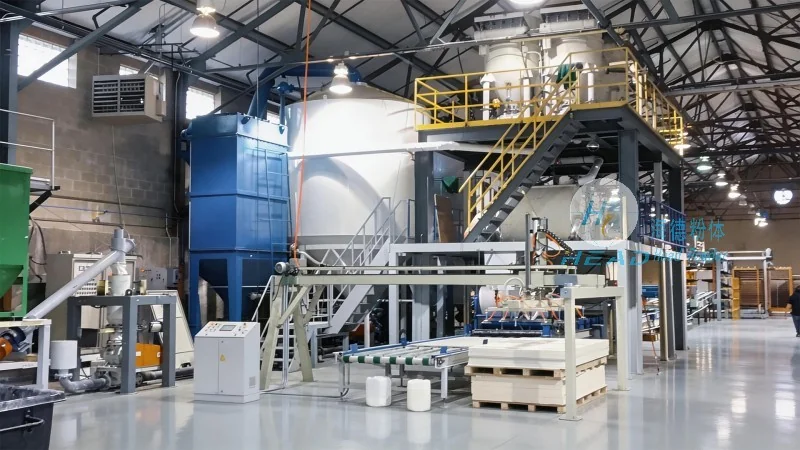
Dust-free pneumatic conveying equipment is widely used across multiple industries due to its versatility and effectiveness. In the pharmaceutical industry, it is used to transport active ingredients and finished products, ensuring that the materials remain sterile and free from contamination. In the food processing sector, it is employed to handle powders and granules, maintaining the quality and safety of the products. The chemical industry also benefits from these systems, as they can handle corrosive and hazardous materials while protecting the environment and personnel. Other applications include the transportation of minerals, plastics, and agricultural products, where the need for a clean and efficient conveying solution is critical.
Conclusion
HeadPowder's dust-free pneumatic conveying equipment represents a sophisticated solution for bulk material handling, combining advanced engineering with robust design. By understanding the structural components and operational principles, users can appreciate the efficiency and reliability of these systems. The company's commitment to quality and innovation ensures that their products meet the highest standards, providing long-term performance and value for industries requiring clean and effective material transport solutions.