

Introduction to and Structural Principles of Negative Pressure Suction Type Pneumatic Conveying Equi
When discussing industrial material handling solutions, negative pressure suction type pneumatic conveying equipment stands out as a highly efficient and versatile system. This equipment is designed to transport bulk materials from a source to a destination using a vacuum or negative pressure environment, making it ideal for applications where dust control and material containment are critical. The following overview provides a detailed look at the introduction and structural principles of this technology, presented by Shandong HeadPowder Engineering Co., Ltd., a leading manufacturer based in China.
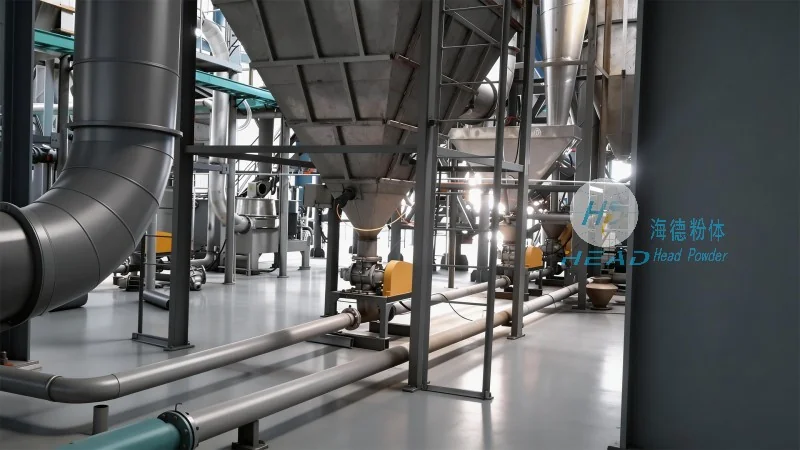
Overview of Negative Pressure Suction Type Pneumatic Conveying Equipment
Negative pressure suction type pneumatic conveying systems operate by creating a vacuum at the material source, which draws the material into the conveying line. This method is particularly effective for handling fine powders, granules, and other dry bulk materials that are prone to dust generation. The system typically consists of several key components, including a suction unit, conveying line, and discharge unit, all working in tandem to ensure smooth and efficient material transport. By utilizing negative pressure, the equipment minimizes the risk of material spillage and reduces the need for additional containment measures, making it a preferred choice in industries such as food processing, pharmaceuticals, and chemical manufacturing.
Key Structural Components and Their Functions
The structural design of negative pressure suction type pneumatic conveying equipment is built around several essential components, each playing a crucial role in the overall operation. The primary components include the suction hopper, which collects the material to be conveyed; the vacuum pump or fan, which generates the negative pressure; the conveying line, which transports the material from the source to the destination; and the discharge hopper or silo, where the material is deposited. Additionally, the system may incorporate filters and cyclones to separate the material from the air stream, ensuring that the discharged material is clean and free of contaminants. The suction hopper is equipped with a feed mechanism, such as a rotary valve or a gate valve, which controls the flow of material into the conveying line. The vacuum pump or fan is responsible for maintaining the necessary negative pressure, while the conveying line is typically made of flexible or rigid tubing, depending on the application requirements. The discharge unit may include a pressure relief valve to prevent over-pressurization and ensure safe operation.
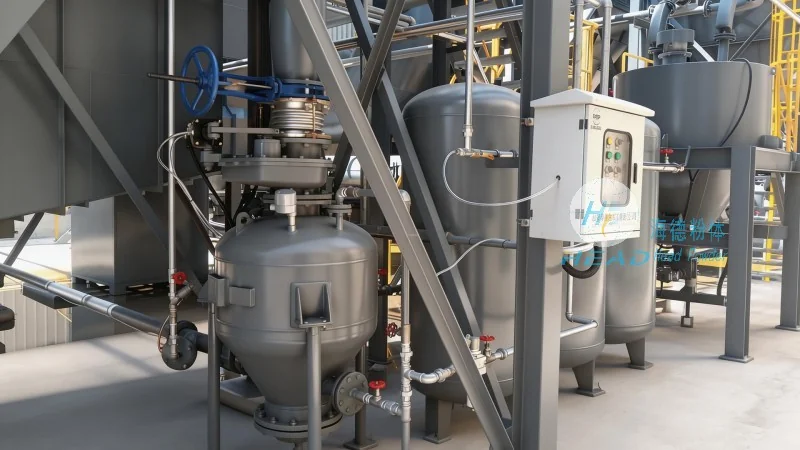
Working Principle of the Negative Pressure Suction System
The working principle of negative pressure suction type pneumatic conveying equipment is based on the fundamental concept of creating a pressure differential between the material source and the discharge point. The vacuum pump or fan creates a lower pressure at the suction hopper, causing the surrounding air and material to be drawn into the conveying line. As the material moves through the line, it is suspended in the air stream and transported to the discharge point, where the pressure is higher. The air stream then carries the material to the discharge hopper, where it is separated from the air by a filter or cyclone. The air is then either recirculated or vented, depending on the system design. This process allows for continuous and efficient material transport, with minimal human intervention required. The negative pressure system is particularly effective for long-distance conveying, as it can maintain the necessary vacuum over extended distances without significant pressure loss.
Advantages of Negative Pressure Suction Type Pneumatic Conveying Equipment
There are several advantages to using negative pressure suction type pneumatic conveying equipment in industrial applications. One of the primary benefits is the excellent dust control, as the system operates under a vacuum, preventing dust from escaping into the environment. This makes it suitable for handling materials that are hazardous or require strict containment, such as pharmaceutical powders or food-grade ingredients. Another advantage is the ability to handle a wide range of materials, from fine powders to coarse granules, without the need for pre-processing or conditioning. The system is also relatively compact and can be easily integrated into existing production lines, reducing the need for additional space or infrastructure. Additionally, the negative pressure system is energy-efficient compared to positive pressure systems, as it requires less power to maintain the vacuum. This results in lower operating costs and reduced environmental impact.
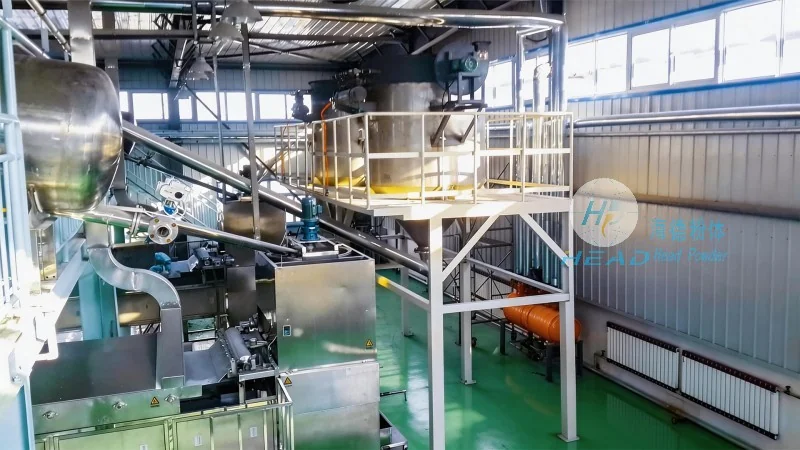
Applications and Industries Served by the Equipment
Negative pressure suction type pneumatic conveying equipment is widely used in various industries due to its versatility and efficiency. In the food and beverage industry, it is commonly used to transport ingredients such as flour, sugar, and spices, ensuring that the materials are handled hygienically and without contamination. The pharmaceutical industry also relies on this technology to transport active pharmaceutical ingredients (APIs) and other sensitive materials, as the negative pressure system prevents cross-contamination and maintains product integrity. In the chemical industry, the equipment is used to handle powders and granules, such as pigments, polymers, and catalysts, while minimizing the risk of dust explosions. Additionally, the system is used in the agricultural sector to transport grain and other bulk agricultural products, as well as in the mining industry to transport ore and other minerals. The equipment is also suitable for applications in the construction industry, where it can be used to transport sand, cement, and other building materials.
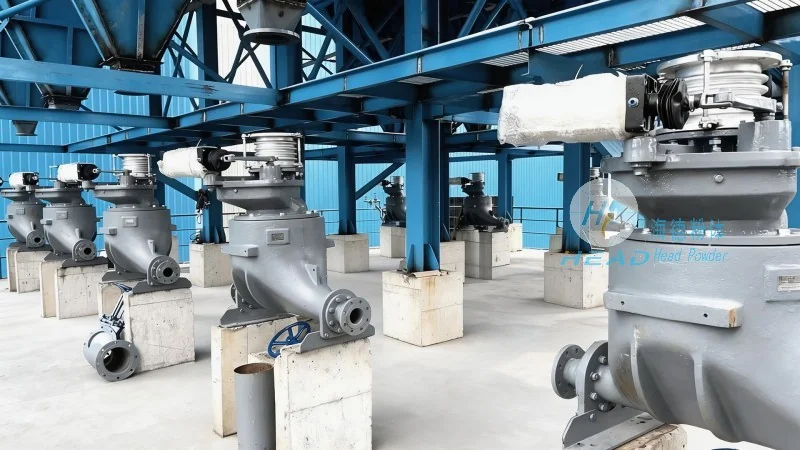
Maintenance and Operational Considerations
Proper maintenance and operational considerations are essential to ensure the longevity and efficiency of negative pressure suction type pneumatic conveying equipment. Regular cleaning of the filters and cyclones is necessary to prevent clogging and maintain the system's performance. The vacuum pump or fan should be checked regularly for wear and tear, and lubricated as needed to ensure smooth operation. The conveying line should be inspected for any signs of wear or damage, and replaced if necessary to prevent leaks or pressure loss. Additionally, the feed mechanism should be checked to ensure that it is functioning correctly and that the material flow is consistent. It is also important to monitor the system's pressure and vacuum levels to ensure that they are within the recommended range. Proper training of operators is crucial to ensure that the equipment is used correctly and that any issues are identified and addressed promptly. By following these maintenance and operational guidelines, the equipment can operate efficiently for many years, providing reliable material handling solutions.
Conclusion
Negative pressure suction type pneumatic conveying equipment is a highly effective and versatile solution for industrial material handling. Its ability to handle a wide range of materials, maintain excellent dust control, and operate efficiently makes it a preferred choice in many industries. By understanding the structural principles and operational considerations of this technology, users can make informed decisions about its application and ensure optimal performance. As a leading manufacturer, Shandong HeadPowder Engineering Co., Ltd. provides high-quality equipment that meets the needs of various industries, ensuring that customers receive reliable and efficient material handling solutions.