

Introduction to Microsilica Powder Pneumatic Conveying Systems: Structure and Working Principles
Microsilica powder, a fine and highly reactive material with a particle size typically ranging from 0.1 to 0.2 micrometers, is widely utilized in construction, refractory manufacturing, and chemical production. Its unique properties, such as high surface area and pozzolanic activity, make it an essential additive in concrete and other composite materials. However, the efficient and safe transportation of microsilica powder is a critical challenge in industrial processes due to its fine particle size and tendency to generate dust. Pneumatic conveying systems have emerged as a preferred solution for this challenge, offering a dust-free and reliable method for moving microsilica powder from storage to processing units.
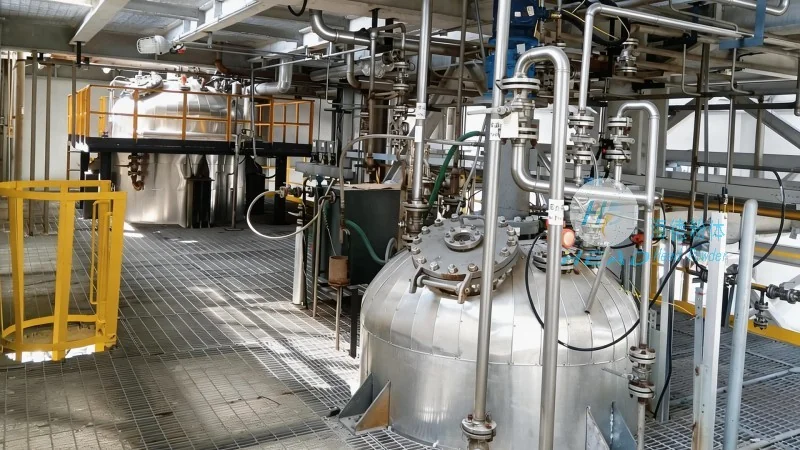
Overview of Microsilica Powder Pneumatic Conveying Systems
Microsilica powder pneumatic conveying systems are engineered to transport microsilica powder using compressed air or other gas as the conveying medium. These systems are particularly suitable for short to medium-distance transport, typically ranging from a few meters to several hundred meters, and are widely adopted in industries where microsilica powder needs to be moved to mixers, reactors, or other processing equipment. The primary goal of these systems is to ensure a continuous, low-dust, and efficient transfer of microsilica powder, minimizing material loss and environmental contamination.
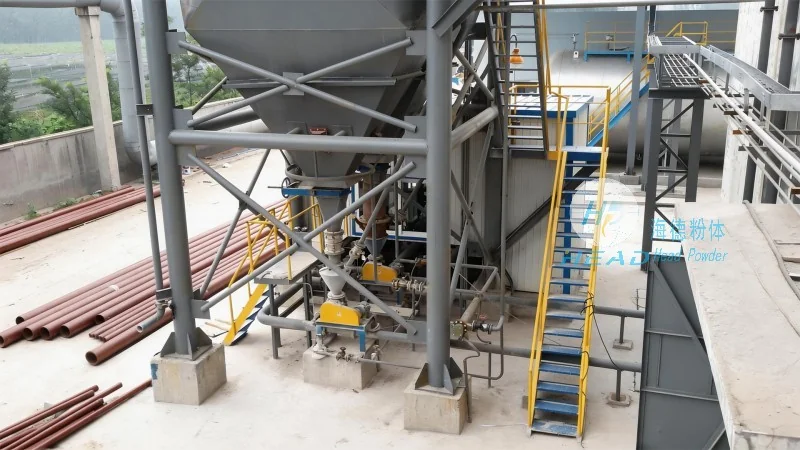
Key Components and Their Functions
The microsilica powder pneumatic conveying system comprises several critical components, each playing a vital role in the overall operation. The main components include: 1. **Storage Silo or Hopper**: This is the initial storage unit where microsilica powder is stored before being fed into the system. It is designed to maintain the powder's quality and prevent moisture ingress. 2. **Feeder**: The feeder, often a rotary valve or a screw feeder, is responsible for controlling the flow rate of microsilica powder from the storage silo into the conveying pipeline. It ensures a consistent and metered feed, preventing overloading or underloading of the system. 3. **Conveying Pipeline**: The pipeline, usually made of stainless steel or other corrosion-resistant materials, transports the microsilica powder and air mixture from the feeder to the receiver. The pipeline is equipped with bends and elbows to accommodate the required path, and its diameter is selected based on the flow rate and particle size of the powder. 4. **Venturi or Eductor**: This component is used to introduce compressed air into the pipeline, creating a low-pressure zone that draws the microsilica powder particles into the air stream. The venturi or eductor is typically located at the inlet of the pipeline, ensuring efficient air-powder mixing. 5. **Filter or Cyclone Separator**: After the powder is conveyed to the receiver, the air-powder mixture passes through a filter or cyclone separator. The separator separates the microsilica powder from the air, collecting the powder in the receiver and releasing the clean air to the atmosphere. 6. **Receiver or Discharge Hopper**: The receiver is the final storage unit where the microsilica powder is collected after being separated from the air. It is designed to hold the powder until it is further processed or used in production.
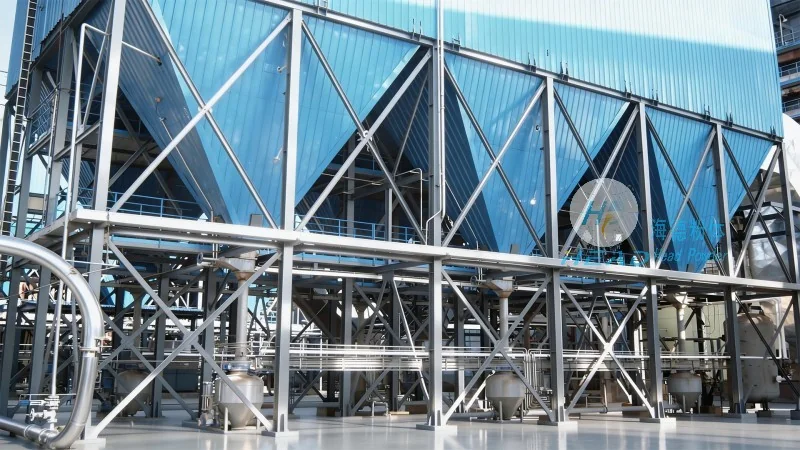
Working Principle of the Pneumatic Conveying Process
The operation of the microsilica powder pneumatic conveying system follows a systematic process. First, the microsilica powder is stored in the silo and maintained at a consistent level. The feeder then meters the powder into the conveying pipeline at a controlled rate. Simultaneously, compressed air is introduced into the pipeline through the venturi or eductor, generating a low-pressure zone that entrains the powder particles into the air stream. As the powder particles are suspended in the air, they are transported through the pipeline to the receiver. The air-powder mixture then enters the filter or cyclone separator, where the powder is separated from the air. The separated powder falls into the receiver, while the clean air is discharged. This process is repeated continuously, ensuring a steady supply of microsilica powder to the processing equipment.
Advantages of Microsilica Powder Pneumatic Conveying Systems
Compared to traditional mechanical conveying methods, microsilica powder pneumatic conveying systems offer several significant advantages. These include: 1. **Dust-Free Operation**: The enclosed system design prevents dust generation and minimizes environmental contamination, making it safer for workers and compliant with environmental regulations. 2. **Efficient Transport**: The system can transport microsilica powder over longer distances without the need for multiple transfer points, reducing the complexity of the production line. 3. **Low Maintenance**: The components are designed for durability and minimal wear, resulting in lower maintenance costs and longer service life. 4. **Flexibility**: The systems can be easily integrated into existing production lines and adjusted to accommodate changes in production volume or requirements. 5. **Safety**: The enclosed design reduces the risk of dust explosions and other safety hazards associated with fine powders.
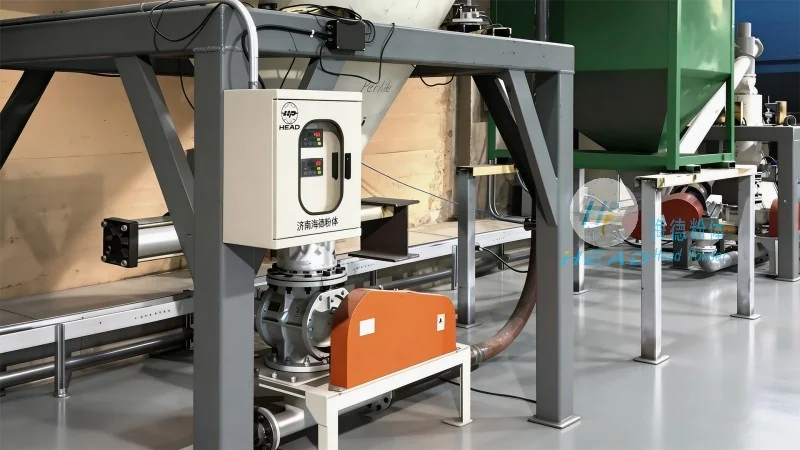
Application Examples in Industrial Production
Microsilica powder pneumatic conveying systems are widely used in various industrial sectors. In the construction industry, these systems are commonly employed to transport microsilica powder to concrete mixers, batching plants, or concrete production lines. The addition of microsilica powder to concrete enhances its strength, durability, and resistance to chemical attacks. In the refractory industry, the systems are used to convey microsilica powder to furnaces or kilns for the production of refractory bricks and other high-temperature materials. The fine particles of microsilica improve the thermal stability and mechanical properties of the refractory products. Additionally, in the chemical industry, microsilica powder pneumatic conveying systems are utilized to transport microsilica powder to reactors or mixing tanks for the production of various chemical products, such as coatings, adhesives, and specialty chemicals.