

Introduction to Pharmaceutical Pneumatic Conveying Systems: Structure and Working Principles
Pharmaceutical pneumatic conveying systems are critical components in modern pharmaceutical manufacturing, designed to transport powders and granules safely and efficiently within production facilities. These systems utilize air or other gases to move materials, ensuring compliance with stringent regulatory standards for cleanliness, containment, and product integrity. The technology is widely adopted in the pharmaceutical industry due to its ability to minimize product contamination, reduce labor costs, and enhance operational flexibility.
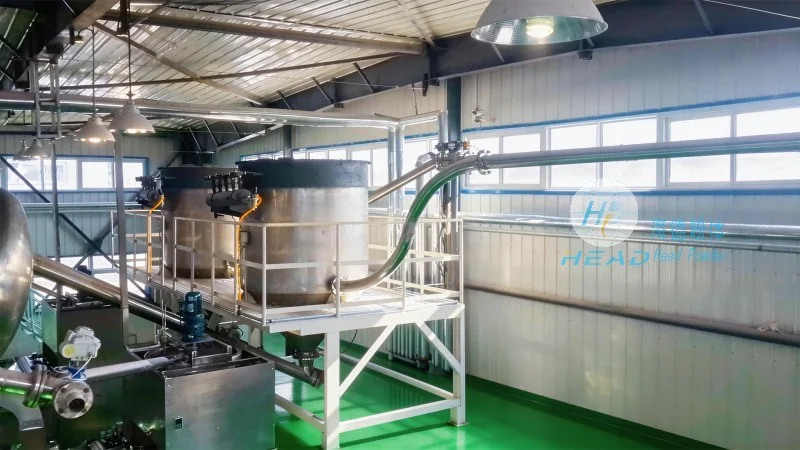
Key Components and Structure of Pneumatic Conveying Systems
The core structure of a pharmaceutical pneumatic conveying system typically includes several essential components that work in concert to achieve effective material transport. These components include the material feed hopper, which holds the bulk powder or granules; the conveying line, which may be either positive or negative pressure based on the system design; and the discharge unit, where the material is deposited at the destination. Additionally, the system incorporates filtration and dust collection systems to maintain air quality and prevent contamination. The design of these components is tailored to meet the specific requirements of pharmaceutical applications, such as low particle size, high purity, and the need for sterile or controlled environments.
Working Principles of Pneumatic Conveying
The operation of pharmaceutical pneumatic conveying systems is based on the principles of fluid dynamics and particle movement. In positive pressure systems, compressed air is introduced into the conveying line, creating a pressure differential that propels the material forward. The air flow is carefully controlled to ensure consistent material transport without causing degradation or agglomeration of the product. Negative pressure systems, on the other hand, use suction to draw material from the feed point and move it through the line. Both systems rely on the interaction between the air flow and the material particles, with the air velocity and pressure maintained within optimal ranges to prevent material degradation or system blockages.
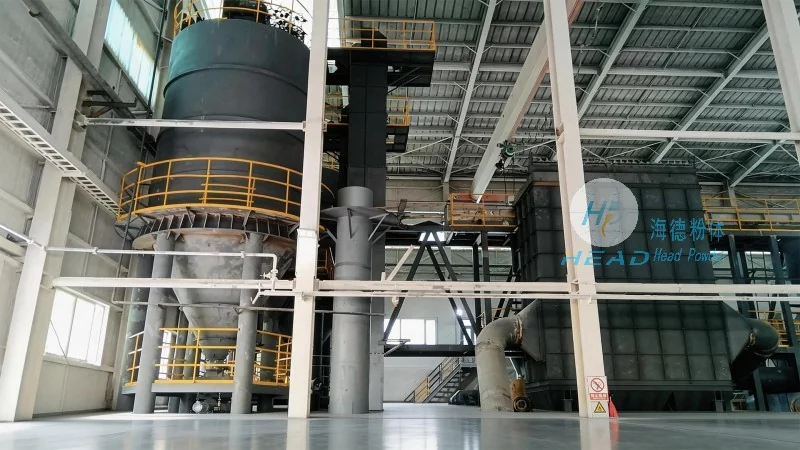
Advantages of Pharmaceutical Pneumatic Conveying
Pharmaceutical pneumatic conveying systems offer numerous advantages over traditional mechanical conveying methods. One of the primary benefits is the ability to maintain a closed system, which minimizes exposure to airborne contaminants and reduces the risk of cross-contamination between different products. This is particularly important in pharmaceutical manufacturing, where product purity and sterility are paramount. Additionally, pneumatic systems can handle a wide range of materials, including fine powders, cohesive granules, and sensitive compounds, without causing damage or degradation. The systems also offer flexibility in terms of layout, as they can be configured to follow existing production lines or adapt to new facility designs. Furthermore, the automation capabilities of modern pneumatic conveying systems enhance operational efficiency and reduce labor requirements, contributing to cost savings and improved productivity.
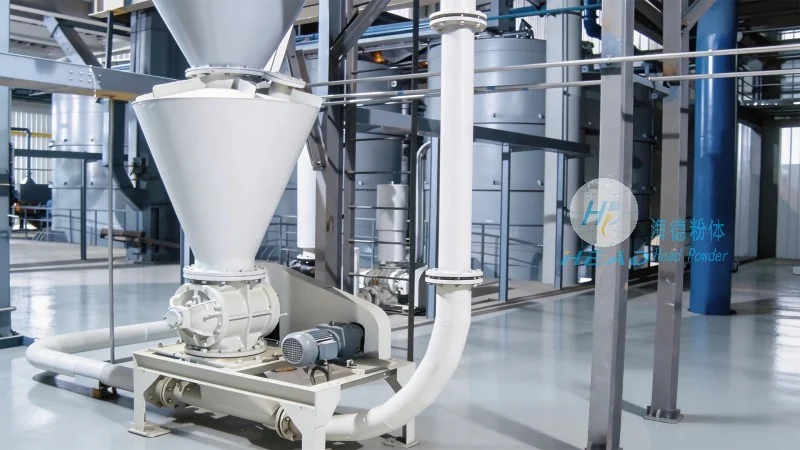
Applications in Pharmaceutical Manufacturing
Pharmaceutical pneumatic conveying systems are widely used in various stages of pharmaceutical manufacturing, from raw material handling to finished product packaging. In the raw material stage, these systems efficiently transport bulk powders from storage silos to processing equipment, ensuring a continuous supply of materials. During the manufacturing process, they are used to transfer ingredients between mixing, granulation, and tableting machines, maintaining a clean and controlled environment. In the final stages, pneumatic conveying systems are employed to move finished products from packaging lines to storage areas or distribution centers. The systems are also utilized in quality control and testing processes, where precise material transport is required for sample collection and analysis.
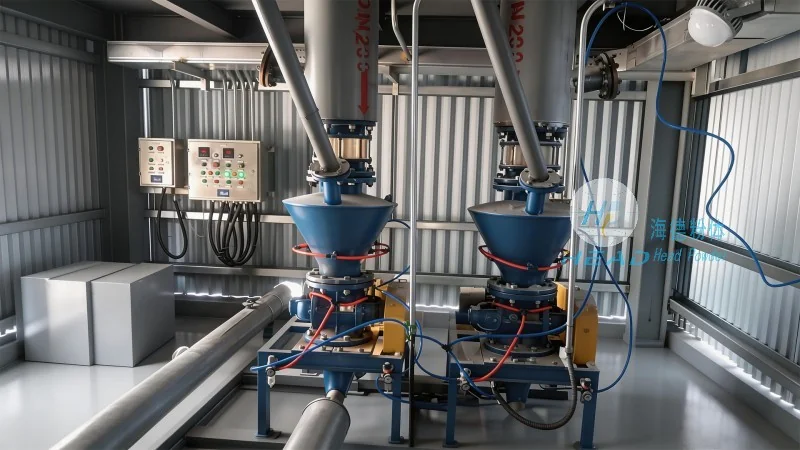
Regulatory Compliance and Standards
Given the critical nature of pharmaceutical products, pneumatic conveying systems must adhere to strict regulatory standards to ensure product safety and quality. The systems are designed and manufactured in compliance with industry guidelines such as the FDA's cGMP (current Good Manufacturing Practices) and ISO 14644 (cleanroom standards). Key aspects of compliance include the use of materials that are non-reactive with pharmaceutical products, the implementation of effective filtration and dust control measures, and the maintenance of a controlled environment to prevent contamination. Regular inspections and maintenance are also required to ensure the system operates within specified parameters and remains compliant with regulatory requirements.
Customization and Integration by Shandong HeadPowder Engineering Co., Ltd.
Shandong HeadPowder Engineering Co., Ltd., a leading manufacturer of pharmaceutical processing equipment, specializes in designing and supplying customized pneumatic conveying systems tailored to the specific needs of pharmaceutical manufacturers. The company's team of engineers and technicians works closely with clients to understand their production requirements, material characteristics, and regulatory constraints, ensuring that the final system meets all operational and compliance standards. HeadPowder offers a range of standard and custom solutions, including positive and negative pressure systems, vacuum and pressure conveying options, and integrated filtration and dust collection systems. The company's commitment to quality and innovation has made it a trusted partner in the pharmaceutical industry, providing reliable and efficient solutions for material handling challenges.