

Introduction to the Structure and Working Principle of PUR Pneumatic Conveying Systems
PUR (Polyurethane Resin) pneumatic conveying systems are advanced industrial equipment designed for the efficient transport of bulk materials over long distances or within complex production environments. These systems utilize air or gas as the conveying medium to move powders, granules, or other particulate materials from one location to another, offering a flexible and often dust-free alternative to traditional mechanical conveying methods. The technology is widely adopted in industries such as food processing, pharmaceuticals, chemicals, and manufacturing due to its ability to handle a diverse range of materials while maintaining product integrity and operational efficiency.
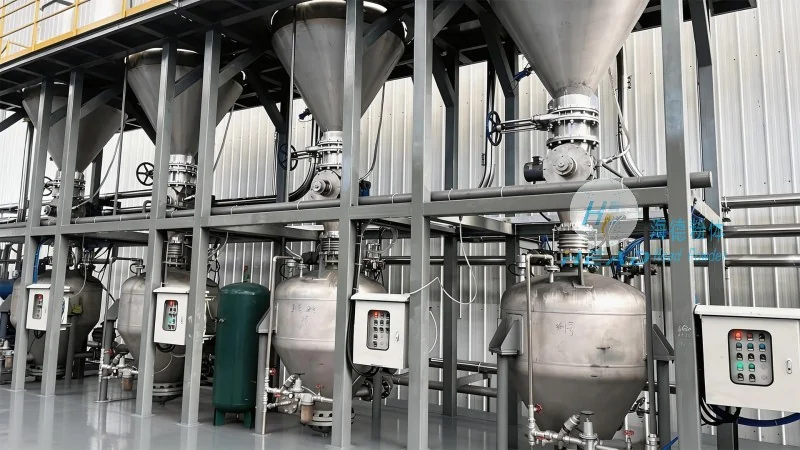
Overview of PUR Pneumatic Conveying Systems
PUR pneumatic conveying systems are engineered to provide reliable and continuous material handling solutions. They typically consist of several key components that work in concert to achieve effective material transport. The primary components include a material feed hopper, a conveying line (often equipped with a flexible hose or rigid pipe), a vacuum or pressure source, and a receiving hopper or container. Each component plays a critical role in the overall operation, ensuring that the material is moved safely and efficiently from the source to the destination.
Structural Components and Their Functions
The structural design of a PUR pneumatic conveying system is tailored to meet the specific requirements of the material being conveyed and the operational conditions. Key structural components include:
1. Material Feed Hopper: This component is responsible for storing and feeding the bulk material into the conveying system. It is typically equipped with a hopper bottom or a rotary valve to control the flow rate of the material. The design of the hopper is crucial as it must prevent material bridging or clogging, which can disrupt the conveying process. The hopper is often made from durable materials like stainless steel or polyurethane to withstand the abrasive nature of the materials being handled.
2. Conveying Line: The conveying line is the core of the system, responsible for transporting the material through the air stream. It can be either rigid (e.g., metal pipes) or flexible (e.g., polyurethane hoses). The choice between rigid and flexible lines depends on factors such as the distance to be covered, the type of material, and the need for flexibility in the system layout. The line is usually equipped with bends, elbows, and straight sections to guide the material along the desired path. The material of construction, such as stainless steel or high-quality polyurethane, is selected based on the chemical and physical properties of the conveyed material to prevent corrosion or degradation.
3. Vacuum or Pressure Source: This component generates the air or gas flow necessary to move the material. In a vacuum system, a vacuum pump creates a negative pressure that draws the material and air into the conveying line. In a pressure system, a blower or compressor supplies compressed air to push the material forward. The selection of the vacuum or pressure source depends on the material's properties, such as density and particle size, as well as the required conveying distance and flow rate.
4. Receiving Hopper or Container: The receiving hopper collects the material as it is conveyed to the destination. It is designed to handle the incoming flow and prevent spillage or material loss. The hopper may include features like a discharge valve or a level indicator to monitor the material level and control the discharge process. The design ensures that the material is deposited in a controlled manner, minimizing dust generation and ensuring a smooth transition to the next stage of processing.
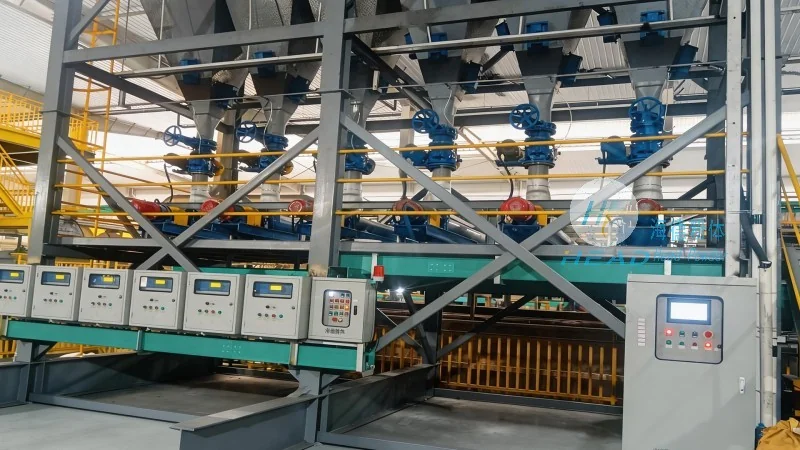
Working Principle of PUR Pneumatic Conveying Systems
The operation of a PUR pneumatic conveying system is based on the principle of fluidization and suspension of the material particles in the air stream. When the material is introduced into the conveying line, it is mixed with the air or gas, creating a slurry-like mixture. The air flow velocity is maintained at a level that keeps the particles suspended and prevents them from settling or clogging the line. The system operates by creating a pressure differential between the feed and receiving hoppers, which drives the material through the conveying line.
In a vacuum system, the vacuum pump creates a low pressure at the receiving end, drawing the material and air from the feed hopper into the line. The material is then carried to the receiving hopper where the pressure is higher, causing the material to be deposited. In a pressure system, the blower supplies high-pressure air at the feed end, pushing the material through the line to the receiving hopper where the pressure is lower. The air then escapes, leaving the material behind.
The efficiency of the system depends on several factors, including the air flow rate, the material's bulk density, the particle size distribution, and the length of the conveying line. Proper design and maintenance of the system components are essential to ensure consistent performance and minimize downtime. The use of high-quality polyurethane materials in the construction of the conveying line and components enhances the system's durability and resistance to abrasion and chemical attack, extending its operational life.
Application and Advantages of PUR Pneumatic Conveying Systems
PUR pneumatic conveying systems are versatile and can be applied in a wide range of industrial settings. They are particularly suitable for materials that are sensitive to moisture or contamination, as the enclosed system prevents exposure to the environment. The systems are also effective in handling materials that are prone to dust generation or clogging, such as powders with high moisture content or fine particles.
Key advantages of PUR pneumatic conveying systems include:
1. Dust-Free Operation: By enclosing the material in an air stream, the system minimizes dust generation, improving workplace safety and reducing the risk of material loss or contamination.
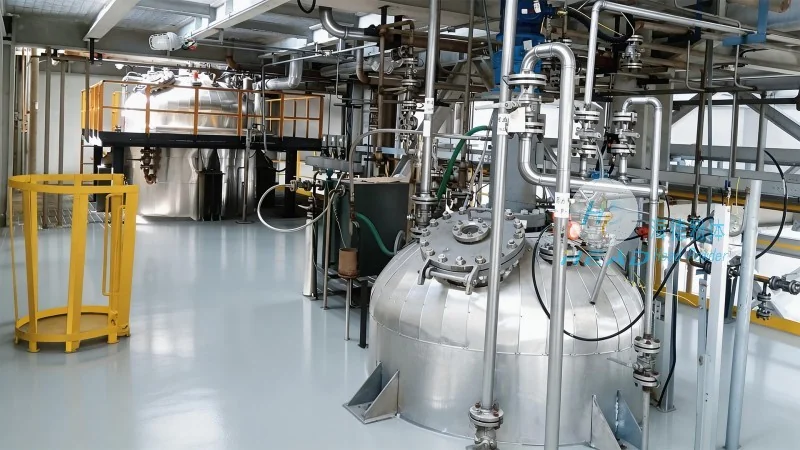
2. Flexibility in Layout: The use of flexible polyurethane hoses allows for easy reconfiguration of the system layout, enabling the conveyance of materials to multiple destinations or over varying distances.
3. Low Maintenance: The robust construction of the system components, particularly the polyurethane parts, reduces the need for frequent maintenance and replacement, lowering operational costs.
4. Energy Efficiency: Modern systems are designed to operate efficiently, using minimal energy to achieve the required conveying performance. The use of high-efficiency vacuum or pressure sources further enhances energy savings.
5. Material Integrity: The enclosed system prevents the material from being exposed to external factors such as moisture, temperature fluctuations, or contamination, ensuring that the material's quality and properties are maintained throughout the conveying process.
About Shandong HeadPowder Engineering Co., Ltd.
Shandong HeadPowder Engineering Co., Ltd., operating under the brand name headpowder, is a leading manufacturer and supplier of advanced material handling solutions. With a focus on innovation and quality, the company specializes in the design, manufacturing, and installation of PUR pneumatic conveying systems tailored to the needs of various industries. HeadPowder's commitment to excellence is reflected in its use of high-quality materials, rigorous quality control processes, and customer-centric approach to service.
HeadPowder's facilities are located in Shandong, China, where the company leverages its expertise and resources to deliver reliable and efficient pneumatic conveying systems. The company's team of experienced engineers and technicians works closely with clients to understand their specific requirements and provide customized solutions that meet their operational needs. With a reputation for delivering high-performance equipment and exceptional customer support, HeadPowder is a trusted partner for businesses seeking to enhance their material handling capabilities.