

Introduction to Tonne Bag Quantitative Feeding Pneumatic Conveying Line: Structure and Working Princ
HeadPowder, a leading provider of industrial material handling solutions, specializes in the design and manufacturing of advanced pneumatic conveying systems. This article provides an in-depth overview of the tonne bag quantitative feeding pneumatic conveying line, detailing its structural components and operational principles to help users understand its functionality and benefits.
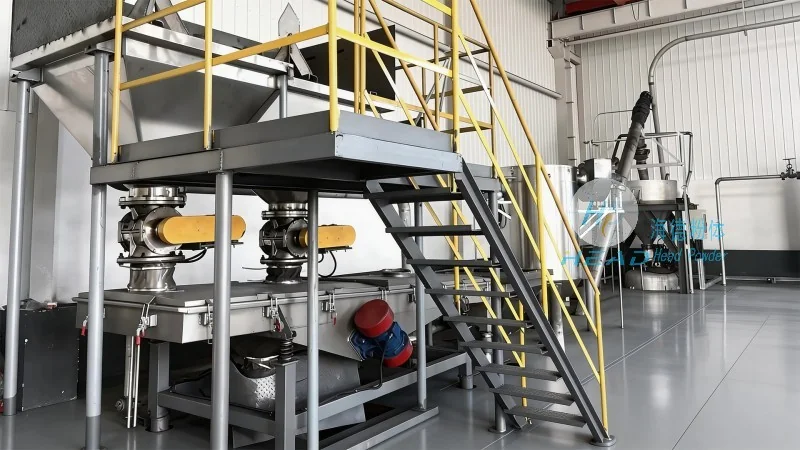
Overview of the Tonne Bag Quantitative Feeding Pneumatic Conveying Line
The tonne bag quantitative feeding pneumatic conveying line is a sophisticated system engineered to efficiently transfer bulk materials from storage containers, such as tonne bags, into processing equipment. This system is particularly valuable in industries like chemical, food, and pharmaceutical manufacturing, where precise material dosing and contamination-free handling are critical. By integrating quantitative feeding mechanisms with pneumatic conveying technology, the line ensures consistent material flow and minimal loss, enhancing overall production efficiency.
Key Structural Components and Their Functions
The tonne bag quantitative feeding pneumatic conveying line comprises several key components, each playing a vital role in the material handling process. The primary components include the tonne bag discharging unit, the quantitative feeder, the air compressor system, the conveying pipeline, and the material discharge unit. Each component is designed to work in harmony to achieve seamless material transfer.
Firstly, the tonne bag discharging unit is responsible for opening and emptying the bulk material from the tonne bag. This unit typically features a robust hopper with a discharge valve that can be controlled to regulate the flow of material. The design ensures that the material is discharged without spillage or blockage, maintaining a clean and safe working environment.
Secondly, the quantitative feeder is a critical component that ensures precise material dosing. This unit is equipped with sensors and control mechanisms that measure the volume or weight of material being fed into the conveying system. By adjusting the feeder's speed or opening, the system can accurately deliver the required amount of material to the processing equipment. This feature is essential for applications where exact material quantities are required, such as in chemical reactions or batch production.
Thirdly, the air compressor system provides the necessary air pressure to drive the pneumatic conveying process. The compressor generates a high-pressure air stream that propels the material particles through the conveying pipeline. The system is designed to be energy-efficient and reliable, with options for variable speed control to adjust the conveying rate based on the material's characteristics and the distance to be covered.
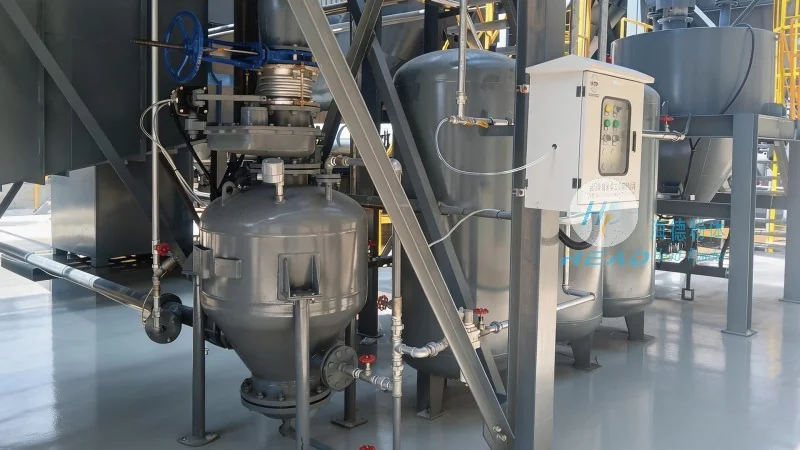
Fourthly, the conveying pipeline is made of durable materials, such as stainless steel or food-grade plastic, to prevent material contamination and ensure long-term durability. The pipeline is equipped with bends and valves that allow for flexible routing and control of the material flow. The design minimizes pressure loss and ensures smooth material transport, even for abrasive or sticky materials.
Fifthly, the material discharge unit is responsible for delivering the material to the final destination, such as a mixer, reactor, or storage tank. This unit typically features a controlled discharge valve that can be adjusted to regulate the flow rate. The design ensures that the material is discharged evenly and without spillage, maintaining a clean and safe operation.
Working Principle of the Pneumatic Conveying Process
The tonne bag quantitative feeding pneumatic conveying line operates on the principle of pneumatic transport, where material particles are suspended and transported by an air stream. The process begins with the material being discharged from the tonne bag into the quantitative feeder. The feeder then meters the material at a controlled rate, feeding it into the conveying pipeline.
Simultaneously, the air compressor system generates a high-pressure air stream that is introduced into the conveying pipeline. The air stream flows through the pipeline, carrying the material particles along with it. The material is suspended in the air stream due to the drag force exerted by the air, allowing it to be transported over long distances without the need for mechanical components like belts or screws.
The conveying pipeline is designed with appropriate bends and valves to direct the material to the discharge unit. The air and material mixture reaches the discharge unit, where the air is separated from the material. The air is typically filtered and recycled back to the compressor, while the material is collected in the discharge container. This separation process ensures that the material is delivered to the processing equipment without any air contamination.
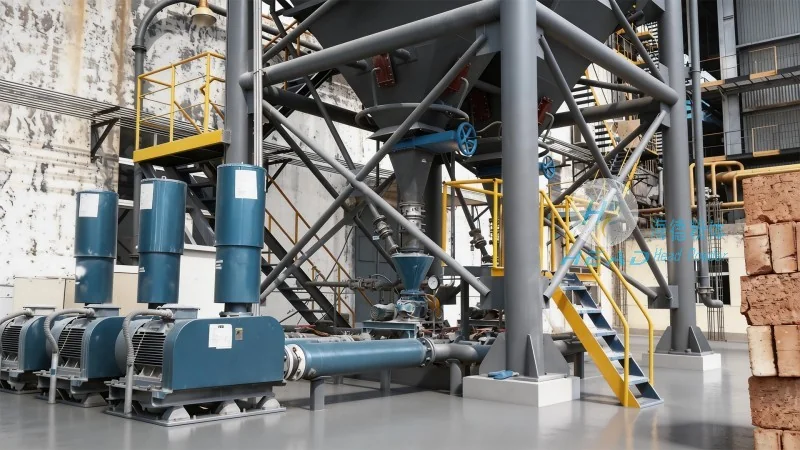
Advantages and Applications of the System
The tonne bag quantitative feeding pneumatic conveying line offers several advantages over traditional material handling methods. Firstly, it provides a clean and dust-free transfer of materials, which is crucial in industries where contamination can affect product quality. The system operates in a closed loop, minimizing the risk of material exposure to the environment and reducing the need for manual handling.
Secondly, the quantitative feeding feature ensures precise material dosing, which enhances process control and reduces waste. This is particularly beneficial in applications where exact material quantities are required, such as in chemical formulations or pharmaceutical production. The system can be integrated with process control systems to automate the feeding process, further improving efficiency.
Thirdly, the pneumatic conveying system is flexible and can be easily adapted to different material types and processing requirements. The conveying pipeline can be extended or reconfigured to accommodate changes in production volume or layout. The system is also suitable for handling abrasive, sticky, or corrosive materials, which are difficult to handle with mechanical conveyors.
Applications of the tonne bag quantitative feeding pneumatic conveying line include the chemical industry for transporting powders and granules, the food industry for handling ingredients like flour and sugar, and the pharmaceutical industry for transferring active pharmaceutical ingredients (APIs). The system is also used in the agricultural sector for handling bulk fertilizers and seeds.
Conclusion
The tonne bag quantitative feeding pneumatic conveying line is a highly efficient and reliable system for bulk material handling. With its precise quantitative feeding capabilities and pneumatic conveying technology, it offers significant advantages over traditional methods. HeadPowder, with its expertise in industrial material handling solutions, provides customized solutions tailored to the specific needs of each client. By understanding the structural components and working principles of this system, users can make informed decisions about its application in their production processes.