

Introduction to Grass Material Pneumatic Conveying Equipment: Structure and Working Principles
HeadPowder, a leading manufacturer based in Shandong, China, specializes in the design and production of advanced pneumatic conveying systems tailored for handling grass materials. This article provides an overview of the grass material pneumatic conveying equipment, detailing its structural components and operational principles to help users understand its functionality and benefits.
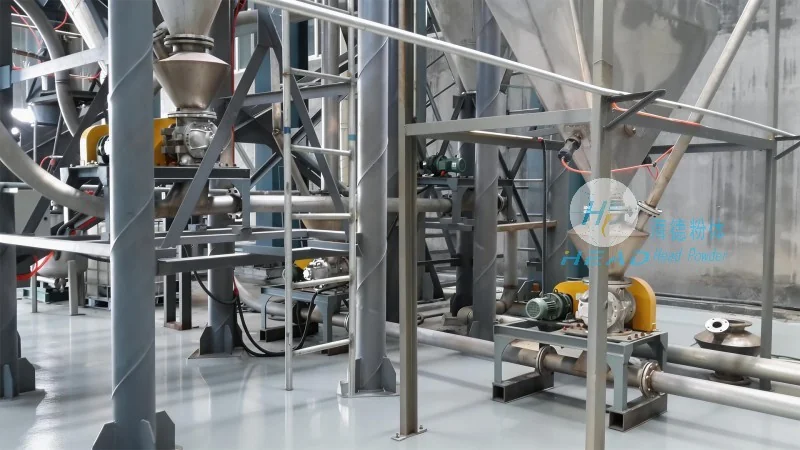
Overview of Grass Material Pneumatic Conveying Equipment
Grass material pneumatic conveying equipment is a specialized system used to transport grass or similar bulk materials through a pipeline using air or gas as the conveying medium. This technology offers a dust-free, efficient, and flexible solution for moving grass from storage areas to processing facilities or other destinations. The equipment is widely used in agricultural and food processing industries, where the handling of organic materials requires careful control to maintain material quality and operational safety.
Key Structural Components of the Equipment
The grass material pneumatic conveying system typically consists of several critical components that work in tandem to ensure effective material transport. These components include the hopper, which serves as the material storage and feeding unit; the conveyor pipeline, which forms the main transport channel; the air compressor or blower, which generates the necessary air pressure to move the material; the control valve and regulator, which manage the air flow and pressure; and the dust collector or filter, which ensures air quality and compliance with environmental standards. Each component is designed to handle the specific characteristics of grass materials, such as their fibrous texture and varying moisture content.
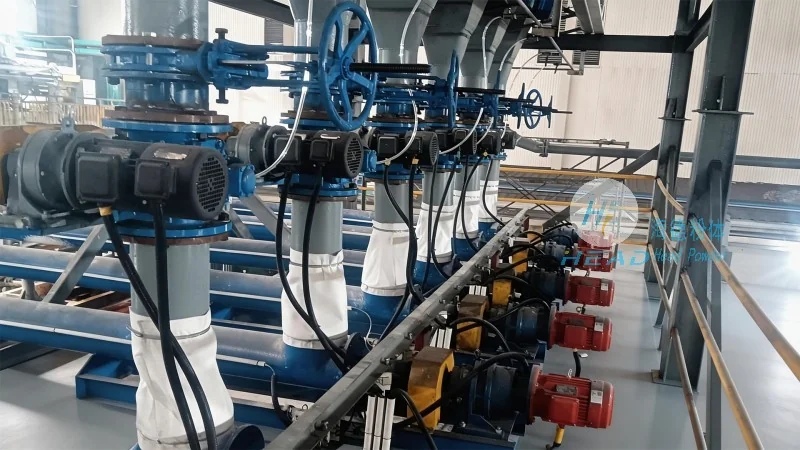
Working Principles of the Pneumatic Conveying System
The operation of the grass material pneumatic conveying equipment is based on the principle of fluidization and suspension of the material particles within the air stream. When the air compressor provides sufficient pressure, air is introduced into the hopper, causing the grass material to become fluidized and suspended in the air. The material is then drawn into the pipeline and transported to the discharge point. The system can operate in either positive or negative pressure modes, depending on the application requirements. Positive pressure systems push the material through the pipeline, while negative pressure systems pull the material from the source. The choice of mode depends on factors such as the distance of transport, the material's properties, and the need to minimize dust emissions.
Advantages of Using Pneumatic Conveying for Grass Materials
Compared to traditional mechanical conveying methods, grass material pneumatic conveying offers several advantages. First, it provides a dust-free environment, which is crucial for maintaining the quality of the grass material and ensuring the safety of operators. Second, the system is highly flexible, allowing for changes in the transport route or destination without major modifications. Third, it can handle materials with varying moisture content and particle sizes, making it suitable for diverse applications. Additionally, the equipment is relatively compact and can be installed in confined spaces, which is beneficial for facilities with limited floor space.
Application Scenarios and Considerations
Grass material pneumatic conveying equipment is commonly used in various applications, including the transport of hay, straw, and other forage materials from barns or storage silos to processing plants. It is also used in the delivery of grass to animal feed production lines or in the transfer of grass to composting facilities. When selecting a pneumatic conveying system for grass materials, several factors need to be considered. These include the volume and type of grass material to be transported, the distance and elevation changes between the source and destination, the required material flow rate, and the environmental regulations regarding dust emissions. Proper sizing of the air compressor and pipeline diameter is essential to ensure efficient operation and minimize energy consumption.
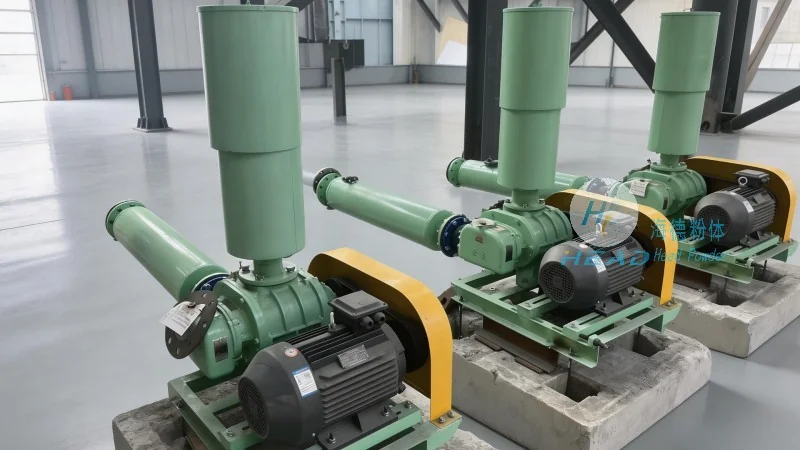
Maintenance and Operational Tips
To ensure the long-term performance and reliability of the grass material pneumatic conveying equipment, regular maintenance is essential. This includes cleaning the hopper and pipeline to prevent material buildup, inspecting the air compressor and control valves for wear and tear, and checking the dust collector for clogs. It is also important to monitor the air pressure and flow rate during operation to detect any abnormalities that may indicate a problem with the system. Proper training of operators on the safe and efficient use of the equipment is crucial to prevent accidents and ensure optimal performance.
Conclusion
Grass material pneumatic conveying equipment, as offered by Shandong HeadPowder Engineering Co., Ltd., provides an efficient and reliable solution for the transport of grass and similar bulk materials. By understanding the structural components and working principles of the system, users can make informed decisions about its application and maintenance. With proper installation and operation, this equipment can significantly improve the productivity and safety of grass handling operations in agricultural and food processing industries.