

Introduction to Yellow Sand Pneumatic Conveying Equipment: Structure and Working Principle
Shandong HeadPowder Engineering Co., Ltd., commonly known as headpowder, is a leading enterprise in the field of pneumatic conveying technology based in Shandong, China. The company specializes in the research, development, and manufacturing of advanced material handling equipment, with a particular focus on systems designed for transporting bulk materials such as yellow sand. This article provides an overview of the yellow sand pneumatic conveying equipment, detailing its structural components and the underlying working principles that enable efficient material transfer.

Overview of Yellow Sand Pneumatic Conveying Equipment
Yellow sand pneumatic conveying equipment is a specialized system engineered to transport yellow sand and similar bulk materials over long distances with minimal human intervention. The primary goal of this equipment is to achieve high transfer efficiency while maintaining low operational costs and ensuring environmental safety by reducing dust emissions. As a key component in industries like construction, building materials, and mining, this equipment plays a crucial role in streamlining material handling processes and enhancing overall operational productivity.
Key Structural Components of the Equipment
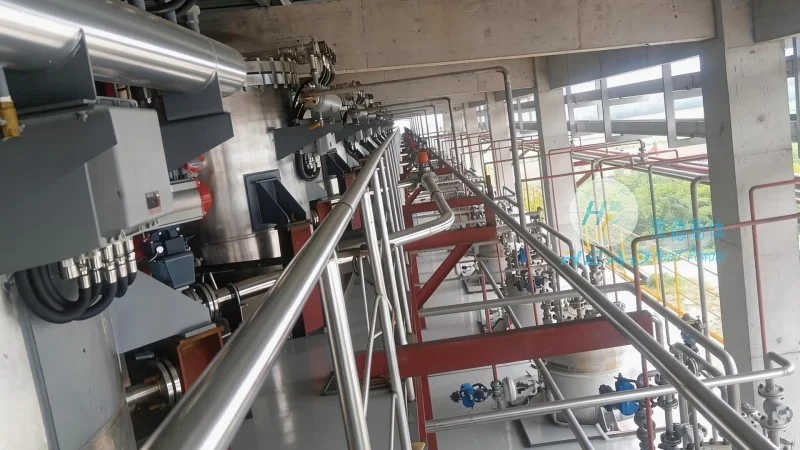
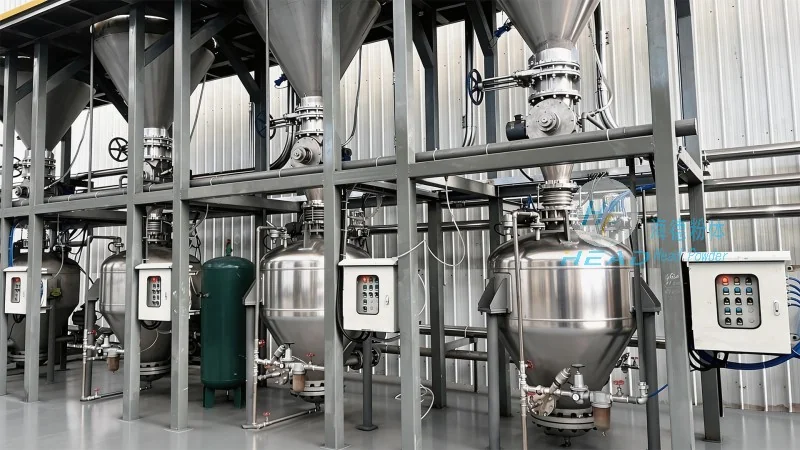
The yellow sand pneumatic conveying system consists of several interconnected components that work in harmony to facilitate material transport. The main structural elements include:
- Air Compressor: This is the heart of the system, responsible for generating the necessary air pressure to create the conveying airflow. The compressor ensures a consistent and sufficient volume of air to draw the yellow sand particles through the pipeline.
- Hopper: The hopper serves as the material storage and feeding unit. It is designed to hold the yellow sand and feed it into the conveying pipeline at a controlled rate. The hopper is typically equipped with a discharge valve to regulate the material flow.
- Pipeline System: The pipeline network forms the main transport path for the yellow sand. It is constructed from durable materials, such as stainless steel or special alloys, to withstand the abrasive nature of the sand and resist corrosion. The pipeline includes bends, elbows, and straight sections, all designed to maintain the air flow and material movement efficiently.
- Receiver: The receiver is the terminal unit where the yellow sand is deposited after being conveyed. It is equipped with a dust collection system to capture any residual particles and prevent environmental contamination.
- Control System: The control system manages the operation of the entire equipment, including the air compressor, hopper discharge, and receiver functions. It allows for precise control over the conveying process, ensuring optimal performance and safety.
Working Principle of the Pneumatic Conveying System
The operation of the yellow sand pneumatic conveying equipment is based on the principle of pneumatic transport, which utilizes air flow to move bulk materials. The process begins when the air compressor starts and generates high-pressure air. This air is then directed into the pipeline, creating a negative pressure (or low-pressure zone) within the system. As the air flows through the pipeline, it draws the yellow sand particles from the hopper into the conveying stream. The air and sand mixture travels through the pipeline to the receiver, where the air is separated from the sand and discharged through the dust collection system. The separated sand is collected in the receiver for further use or disposal.
Advantages and Applications
The yellow sand pneumatic conveying equipment offers several advantages over traditional material handling methods. These include:
- Efficient Material Transfer: The system can transport yellow sand over long distances with minimal energy consumption, making it an economical choice for large-scale operations.
- Low Dust Emission: The enclosed pipeline system significantly reduces dust emissions compared to open conveyor systems, improving workplace safety and environmental compliance.
- Flexible Layout: The modular design of the pipeline allows for easy adaptation to different site layouts and operational requirements.
- Reduced Maintenance: The use of durable materials and well-designed components minimizes maintenance needs, leading to lower long-term operational costs.
Typical applications of this equipment include transporting yellow sand from storage silos to processing plants, moving sand between different production lines in construction material factories, and delivering sand to construction sites for building projects. The equipment is also suitable for handling other similar bulk materials, making it a versatile solution for various industrial needs.
Conclusion
Yellow sand pneumatic conveying equipment, manufactured by Shandong HeadPowder Engineering Co., Ltd., represents a reliable and efficient solution for bulk material handling. By understanding its structural components and working principles, users can appreciate how this technology enhances operational efficiency and safety in the transportation of yellow sand and other similar materials. With its focus on durability, low maintenance, and environmental friendliness, this equipment is an essential asset for industries relying on bulk material handling.