

Operation Process and Working Principle of Stearic Acid Sodium Material Pneumatic Conveying Equipmen
Stearic acid sodium, a widely used chemical additive in various industrial applications, often requires efficient and reliable material handling solutions for its transportation. The pneumatic conveying equipment designed for stearic acid sodium material offers a sophisticated approach to meet these demands, ensuring safe, clean, and efficient transfer of the product. This article delves into the operation process and working principle of such equipment, highlighting its key components, operational steps, and the benefits it provides in industrial settings.
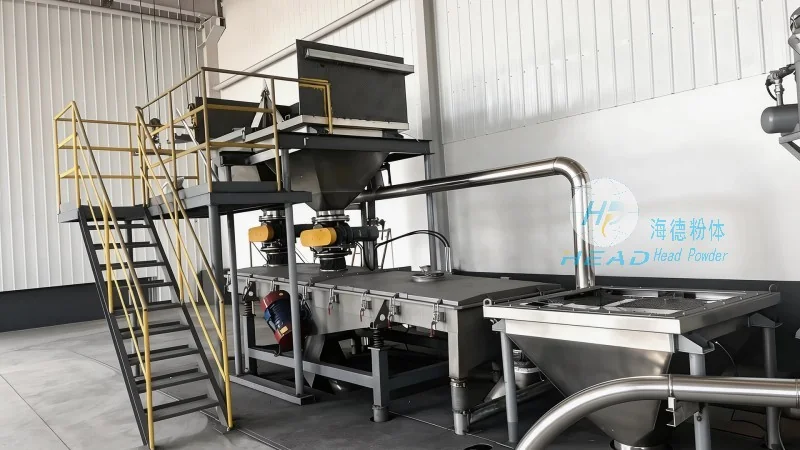
Overview of Stearic Acid Sodium Pneumatic Conveying Equipment
Stearic acid sodium, chemically known as sodium stearate, is a white crystalline powder commonly used in the production of soaps, detergents, and other personal care products. Its handling requires equipment that can maintain product integrity while ensuring minimal contamination. Pneumatic conveying systems are ideal for this purpose as they use air to transport the material, eliminating the need for mechanical contact that could degrade the product or introduce impurities. The equipment from Shandong HeadPowder Engineering Co., Ltd. is engineered to handle stearic acid sodium with precision, offering a solution that aligns with industry standards for quality and efficiency.
Key Components of the Pneumatic Conveying System
The pneumatic conveying system for stearic acid sodium consists of several critical components that work in tandem to ensure smooth operation. These include the hopper, which serves as the storage and feeding unit; the air compressor or blower, responsible for generating the air pressure needed for material transport; the conveying line, which carries the material and air mixture; and the receiver or discharge unit, where the material is deposited. Each component is designed to handle the specific characteristics of stearic acid sodium, such as its particle size, density, and flowability. The system also incorporates control valves and sensors to monitor and regulate the flow, ensuring consistent performance and preventing issues like blockages or overloading.
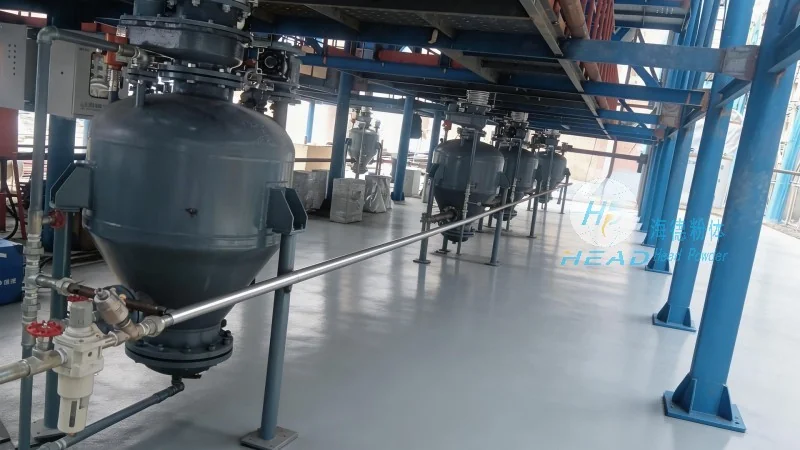
Operation Process of the Pneumatic Conveying Equipment
The operation of the stearic acid sodium pneumatic conveying equipment follows a systematic process that begins with material loading into the hopper. The material is then fed into the conveying line through the hopper's outlet, where it is mixed with the air from the compressor. The air pressure creates a flow that propels the material through the line to the receiver. The speed and pressure of the air are carefully controlled to maintain the optimal conveying velocity, preventing material degradation and ensuring efficient transport. The system also includes a filtration unit to clean the air before it is discharged, maintaining a clean environment and preventing dust accumulation. The entire process is automated, with the control system monitoring parameters like pressure, flow rate, and temperature to ensure the equipment operates within safe and efficient limits.
Working Principle of the Pneumatic Conveying System
The working principle of the pneumatic conveying system for stearic acid sodium is based on the use of air as the conveying medium. The system operates on the principle of fluidization, where the material is suspended in the air stream and transported through the pipeline. The air compressor generates a high-pressure air flow that enters the hopper, where it mixes with the stearic acid sodium. The mixture is then carried through the conveying line to the receiver. The pressure drop along the line and the design of the components ensure that the material is transported without clogging or segregation. The system's efficiency is enhanced by the use of appropriate air velocities and pipeline diameters, which are tailored to the specific properties of stearic acid sodium. The control system plays a crucial role in maintaining the balance between air and material flow, ensuring that the conveying process is stable and reliable.
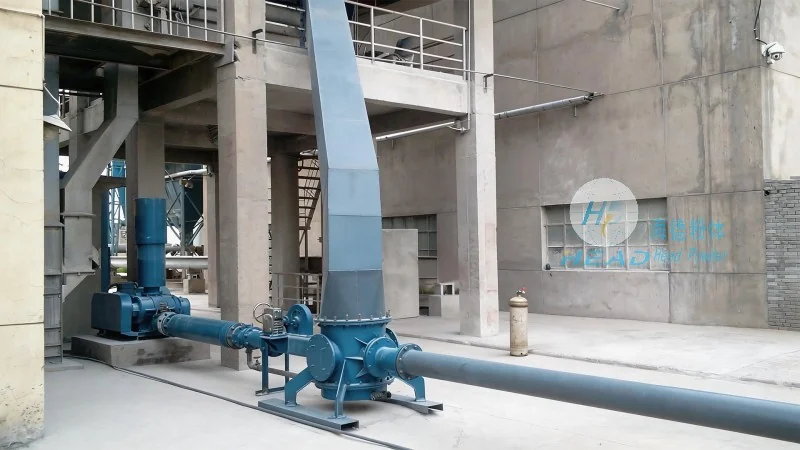
Benefits and Applications of the Pneumatic Conveying Equipment
The pneumatic conveying equipment for stearic acid sodium offers several advantages over traditional mechanical conveying methods. These include reduced product contamination, as there is no direct contact between the material and mechanical parts; improved safety, as the system operates in a closed environment, minimizing dust exposure; and enhanced efficiency, with the ability to transport materials over longer distances without the need for multiple transfer points. The equipment is suitable for various industrial applications, including the chemical, pharmaceutical, and food processing industries, where the handling of fine powders like stearic acid sodium is required. The system from Shandong HeadPowder Engineering Co., Ltd. is designed to meet the specific needs of these industries, providing a reliable and cost-effective solution for material handling.
Maintenance and Operational Considerations
To ensure the long-term performance and reliability of the pneumatic conveying equipment, regular maintenance is essential. This includes cleaning the hopper and conveying line to prevent material buildup, checking the air compressor and control system for proper operation, and inspecting the filtration unit for clogs or damage. The system should also be monitored for any signs of wear or degradation, such as increased pressure drop or reduced conveying efficiency. Proper training of operators is also crucial to ensure that the equipment is operated correctly and safely. By following these maintenance and operational guidelines, the equipment can provide consistent performance and extend its service life, making it a valuable asset for industrial operations.