

Operation Process and Working Principle of Dust Removal Coke Powder Material Pneumatic Conveying Equ
HeadPowder, a leading provider in the field of material handling solutions, specializes in the design, manufacturing, and installation of advanced pneumatic conveying systems. Our company, Shandong HeadPowder Engineering Co., Ltd., is headquartered in Shandong, China, and has established a strong reputation for delivering high-quality equipment tailored to the specific needs of various industrial applications.
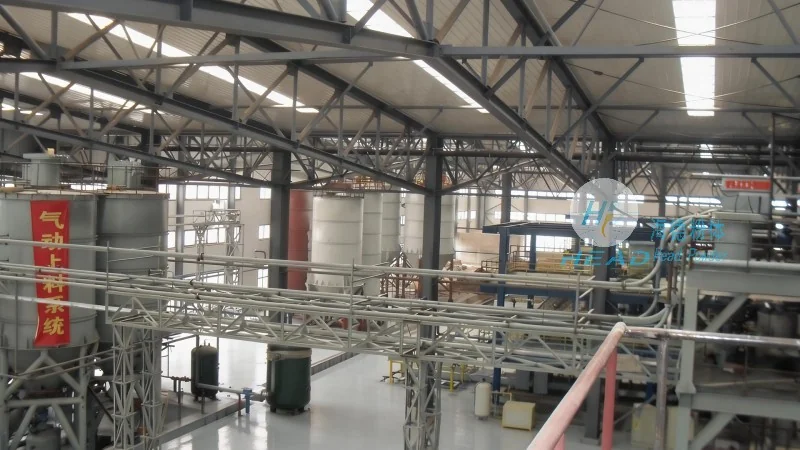
Introduction to Pneumatic Conveying Systems for Coke Powder
Pneumatic conveying systems are essential for the efficient and safe transportation of bulk materials like coke powder, which often poses challenges due to its fine particle size and potential dust generation. The dust removal coke powder material pneumatic conveying equipment offered by HeadPowder addresses these challenges by integrating advanced filtration and material handling technologies. This system is engineered to ensure minimal environmental impact while maximizing operational efficiency in industrial settings.
Key Components and Their Functions
The dust removal coke powder pneumatic conveying system consists of several critical components that work in tandem to achieve effective material transport. The primary components include the material feed hopper, the air compressor or blower unit, the conveying pipeline, the dust collection and filtration system, and the discharge outlet. Each component plays a vital role in the overall operation of the system.
The material feed hopper is designed to store and feed the coke powder into the system. It typically features a hopper with a controlled discharge mechanism, such as a rotary valve or a gate valve, to regulate the flow of material. This ensures a consistent and controlled feed rate, preventing blockages and maintaining system stability.
The air compressor or blower unit is responsible for generating the necessary air pressure to move the coke powder particles through the pipeline. The choice of compressor type depends on the specific requirements of the application, including the material's properties, the conveying distance, and the desired flow rate. High-pressure blowers are commonly used for short to medium-distance conveying, while positive displacement compressors may be employed for longer distances or higher material loads.
The conveying pipeline is constructed from materials that are resistant to corrosion and wear, such as stainless steel or special plastic composites. The pipeline is designed with smooth internal surfaces to minimize friction and particle degradation. The system may include bends, elbows, and other fittings that are carefully engineered to maintain the air flow and prevent material deposition or blockages.
The dust collection and filtration system is a critical feature of the dust removal equipment. It typically consists of a cyclone separator or a baghouse filter that captures the fine coke powder particles and the generated dust. The collected material is then returned to the feed hopper or disposed of according to environmental regulations. This system ensures compliance with air quality standards and protects the environment from dust emissions.
The discharge outlet is the final component of the system, where the coke powder is released into the receiving container or process equipment. It is designed to handle the material flow smoothly and prevent any spillage or contamination. The outlet may include a valve or a gate to control the discharge rate and ensure proper material handling.
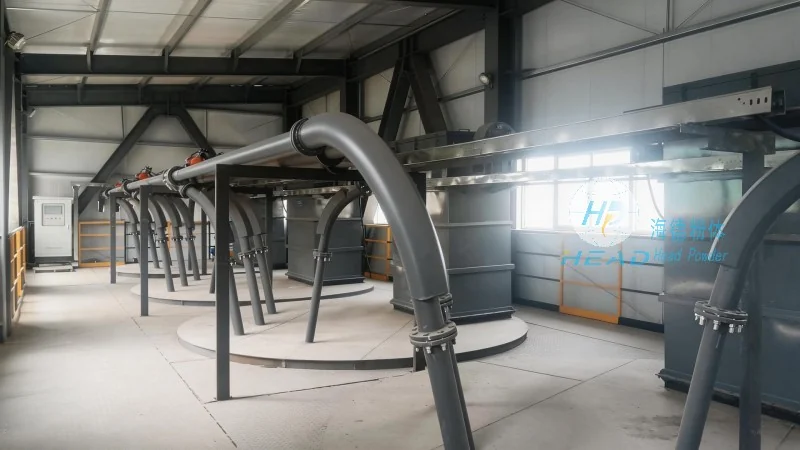
Operation Process of the Pneumatic Conveying System
The operation of the dust removal coke powder pneumatic conveying system follows a systematic process that ensures efficient material transport. The process begins with the loading of coke powder into the feed hopper. The material is then discharged from the hopper into the conveying pipeline under the influence of the air flow generated by the compressor.
As the material enters the pipeline, it is suspended in the air stream and transported to the discharge point. The air flow maintains the material in a fluidized state, preventing it from settling or clogging the pipeline. The system's control system monitors the air pressure, flow rate, and material level to ensure optimal operation and prevent any issues such as overloading or underloading.
During the conveying process, the dust collection system continuously captures any fine particles that may be generated. The collected dust is then returned to the feed hopper or disposed of as required. This ensures that the system operates with minimal environmental impact and maintains a clean working environment.
The material reaches the discharge outlet, where it is collected in the receiving container. The system's control system may adjust the discharge rate based on the receiving container's capacity and the material flow requirements. Once the conveying operation is complete, the system can be shut down and maintained as needed.
Working Principle of the Dust Removal Mechanism
The working principle of the dust removal mechanism in the coke powder pneumatic conveying system is based on the separation of solid particles from the air stream. The system utilizes a combination of centrifugal force and filtration to achieve effective dust removal. The cyclone separator, for example, uses centrifugal force to separate larger particles from the air, while the baghouse filter captures finer particles through a filtration medium.
The air stream carrying the coke powder enters the cyclone separator at a high velocity. The centrifugal force causes the heavier particles to move towards the inner wall of the separator and fall down into the collection chamber. The cleaned air then exits the separator and continues to the discharge point. The collected particles are periodically discharged from the collection chamber and returned to the feed hopper or disposed of.
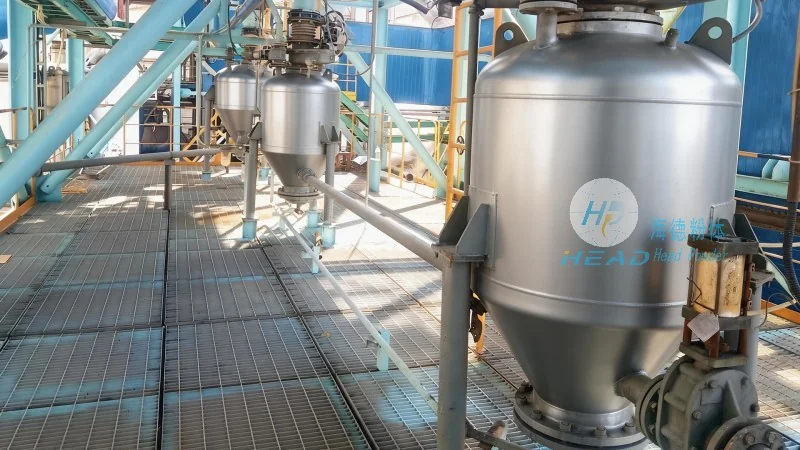
The baghouse filter operates by passing the air stream through a series of fabric bags. The fine particles in the air are trapped on the surface of the bags, while the clean air passes through. The bags are periodically cleaned by shaking or reverse air flow to remove the collected dust. This ensures that the filter remains effective and maintains the system's performance.
The integration of these dust removal components ensures that the system operates with minimal environmental impact and complies with air quality regulations. The dust removal mechanism is designed to handle the specific properties of coke powder, such as its fine particle size and potential for dust generation, ensuring a safe and efficient operation.
Advantages of the Dust Removal Pneumatic Conveying System
The dust removal coke powder pneumatic conveying system offers several advantages over traditional material handling methods. One of the primary advantages is the ability to transport materials in a closed system, which minimizes dust emissions and protects the environment. This is particularly important for coke powder, which can be a source of air pollution if not handled properly.
Another advantage is the system's flexibility in terms of conveying distance and material flow rate. The system can be configured to handle short to long-distance conveying, and the flow rate can be adjusted to meet the specific requirements of the application. This makes the system suitable for a wide range of industrial applications, from small-scale operations to large-scale production facilities.
The system also offers high efficiency in material transport, with minimal material loss and reduced downtime. The closed system design ensures that the material is not exposed to the environment, which prevents contamination and extends the material's shelf life. Additionally, the system's automation features, such as the control system and the dust removal mechanism, reduce the need for manual intervention and improve overall operational efficiency.
Furthermore, the dust removal mechanism ensures that the system complies with environmental regulations and reduces the risk of health hazards associated with dust exposure. The system's design and operation minimize the generation of dust, making it a safe and reliable solution for handling coke powder in industrial settings.
Conclusion
HeadPowder's dust removal coke powder material pneumatic conveying equipment is a reliable and efficient solution for the transportation of bulk materials in industrial applications. The system's advanced design and integration of dust removal technologies ensure minimal environmental impact and high operational efficiency. With its headquarters in Shandong, China, HeadPowder has established itself as a leading provider of material handling solutions, delivering high-quality equipment tailored to the specific needs of various industries. The dust removal pneumatic conveying system is an essential component for any facility handling coke powder, providing a safe, efficient, and environmentally friendly solution for material transport.