

Operation Process and Working Principle of Pneumatic Conveying Equipment for Stone Powder Granular M
HeadPowder, a prominent engineering firm headquartered in Shandong, China, specializes in the development and manufacturing of advanced pneumatic conveying systems designed for handling stone powder and other granular materials. This equipment is engineered to efficiently transport bulk materials over short to medium distances, providing a reliable solution for diverse industrial applications. The company's expertise lies in optimizing the design of these systems to meet the specific requirements of clients, ensuring high efficiency, low maintenance, and compliance with industry standards.
Core Components and Their Functional Roles
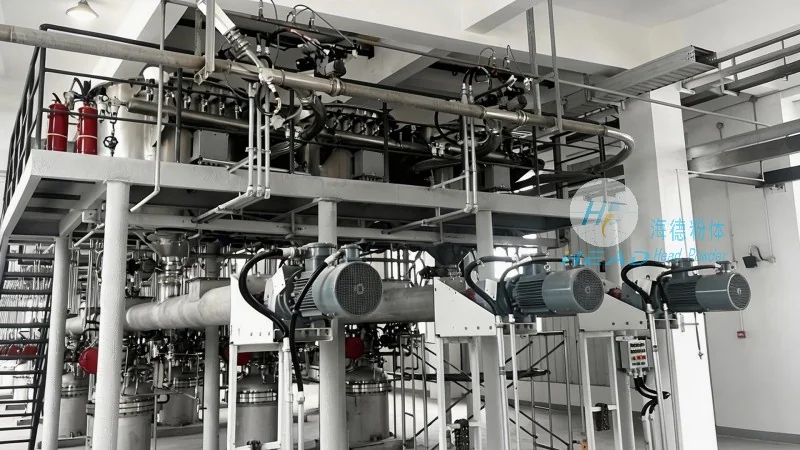
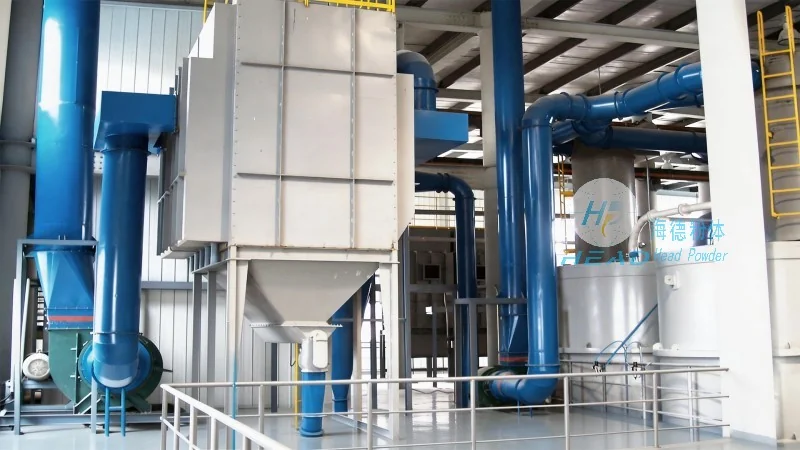
The pneumatic conveying system for stone powder typically comprises several critical components, each playing a vital role in the overall operation. The material hopper serves as the primary storage and feeding unit, where the stone powder is loaded and held before being transferred to the conveying line. The hopper is equipped with a feeder or valve that controls the flow rate of the material, preventing overloading and ensuring a steady supply. The air compressor or blower is the power source, generating the necessary air pressure to create the conveying air stream. This component is responsible for maintaining the pressure and flow rate required to transport the material. The conveying line, usually made of stainless steel or other corrosion-resistant materials, transports the material from the hopper to the discharge point. The line is designed with appropriate diameters and bends to minimize pressure loss and prevent material deposition. The control system, including sensors and valves, regulates the air pressure, flow rate, and material feed, ensuring smooth and consistent operation. Additionally, dust collection and filtration systems are integrated to capture any airborne particles, maintaining air quality and adhering to environmental regulations.
Step-by-Step Operation Process
The operation of the pneumatic conveying equipment for stone powder begins with the preparation phase. The stone powder is loaded into the material hopper, and the system is checked for proper functioning, including air pressure, valve positions, and filter status. Once the system is ready, the feeder valve opens, allowing the stone powder to enter the conveying line. Simultaneously, the air compressor starts, generating a high-pressure air stream that travels through the conveying line. The air stream entrains the stone powder particles, creating a mixture that is propelled towards the discharge point. The material is transported as a suspension of particles in the air, moving at a velocity sufficient to overcome gravity and friction within the line. The system maintains a consistent air pressure and flow rate, ensuring that the material is transported without clogging or loss. At the discharge point, the material is separated from the air stream, often through a cyclone or filter, and collected in a receiving container. The air, now containing minimal dust, is then filtered and released back into the environment or recirculated if necessary.
Working Principle Explained in Detail
The working principle of the pneumatic conveying equipment is based on the principles of fluidization and pneumatic transport. The air compressor provides the driving force by generating a high-pressure air flow. This air flow creates a pressure differential between the hopper and the discharge point, which propels the material. In dilute phase conveying systems, the material is suspended in the air stream as fine particles, moving at a relatively high velocity. This method is suitable for transporting materials over short to medium distances and is characterized by low pressure and high air velocity. In contrast, dense phase conveying systems transport the material in a more concentrated form, often with higher pressure and lower air velocity. This method is ideal for longer distances or when handling materials with higher moisture content or larger particle sizes. The choice between these systems depends on the specific characteristics of the stone powder, such as particle size distribution, density, and moisture content, as well as the required transport distance and throughput. The system's design also considers the air-to-material ratio, which is the ratio of air volume to material volume, and is optimized to achieve the best performance and efficiency.
Advantages and Practical Applications
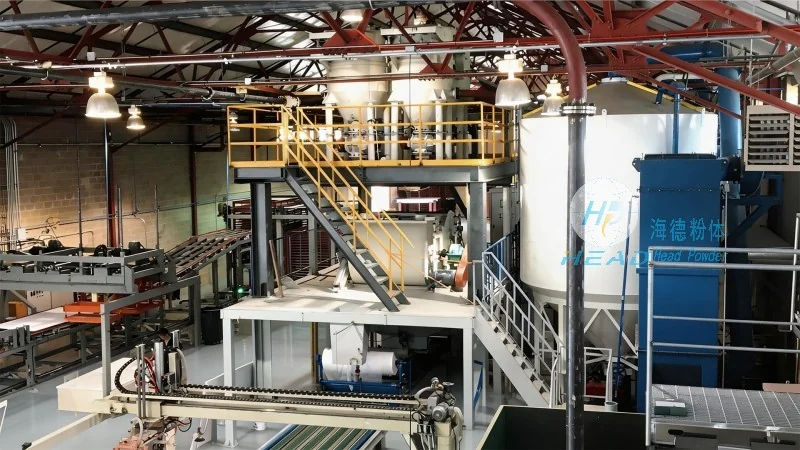
Pneumatic conveying equipment for stone powder offers several advantages over traditional mechanical conveying methods. These include reduced labor costs due to automated operation, minimal material degradation as the material is transported in a closed system, and the ability to handle materials with high moisture content or abrasive properties. The equipment is also more flexible in terms of layout, as it can be installed in various configurations to fit the available space and production requirements. In the mining industry, the equipment is widely used to transport crushed stone from storage silos to processing plants, ensuring a continuous supply of raw material. In the construction industry, it is used to deliver stone powder to concrete mixing plants, where it is mixed with other ingredients to produce high-quality concrete. Additionally, the equipment is used in the chemical industry to transport stone powder as a filler or additive in the production of various products. The closed system design helps prevent dust contamination, which is a significant health and safety concern in many industrial settings.
Maintenance and Operational Considerations
Proper maintenance is crucial to ensure the long-term performance and reliability of the pneumatic conveying equipment for stone powder. Regular inspections should be conducted to check for any signs of wear or damage in the components, such as the hopper, feeder, and conveying line. The air compressor and blower should be checked for proper lubrication and air filter cleanliness to prevent overheating and ensure efficient operation. The dust collection and filtration systems should be cleaned regularly to maintain their effectiveness and prevent clogging. The control system should be calibrated periodically to ensure accurate regulation of air pressure and flow rate. Additionally, the material feed rate should be adjusted according to the system's capacity to avoid overloading and clogging. Proper training of operators is also essential to ensure safe and efficient operation of the equipment. By following these maintenance and operational guidelines, the equipment can operate at optimal performance levels, minimizing downtime and maximizing productivity.