

Operation Process and Working Principle of Powder Pneumatic Conveying Machine in Dust Removal Statio
Welcome to Shandong HeadPowder Engineering Co., Ltd., a leading provider of industrial solutions specializing in powder handling equipment. Our company, commonly known as HeadPowder, is headquartered in Shandong, China, and has established itself as a trusted name in the field of pneumatic conveying systems for dust removal stations. This article delves into the operation process and working principle of our powder pneumatic conveying machines, offering a comprehensive understanding of how these systems efficiently transport powders while maintaining operational efficiency and safety.
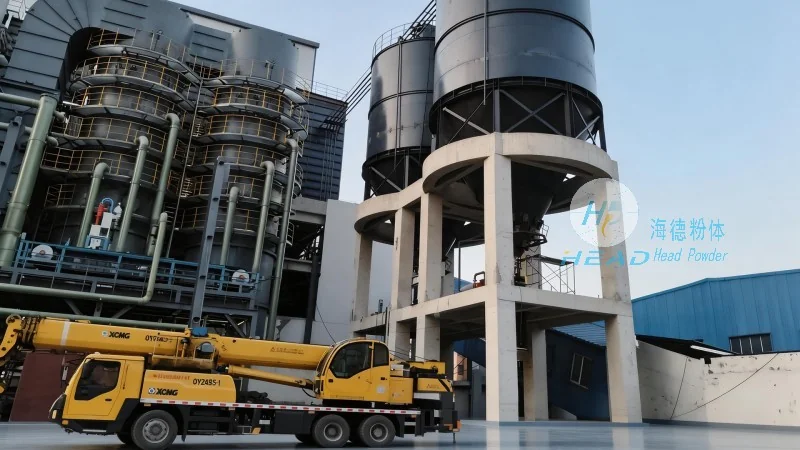
Introduction to Powder Pneumatic Conveying Machines in Dust Removal Stations
Powder pneumatic conveying machines are essential components in dust removal stations, designed to transport bulk powders from one location to another using air as the conveying medium. These systems are widely used in industries such as cement, chemical, food processing, and pharmaceuticals, where the handling of fine powders requires precision and reliability. The primary goal of these machines is to ensure smooth, continuous, and safe powder transfer, minimizing material loss and operational downtime. At HeadPowder, we have developed advanced solutions tailored to meet the specific needs of dust removal applications, combining robust engineering with user-friendly design.
Key Components of the Powder Pneumatic Conveying System
The operation of a powder pneumatic conveying machine in a dust removal station involves several critical components that work in harmony to achieve efficient material transport. These components include the hopper for material storage, the air compressor or blower to generate the conveying air, the pipeline system for transporting the powder-air mixture, the control valves for regulating air flow, and the discharge equipment for delivering the powder to the destination. Each component plays a vital role in the overall performance of the system, and their proper integration is crucial for optimal operation. For instance, the hopper is designed to maintain a consistent material level, preventing blockages and ensuring a steady supply of powder. The air compressor provides the necessary pressure to move the powder through the pipeline, while the control valves allow for precise adjustment of air flow rates, adapting to varying material characteristics and system demands.
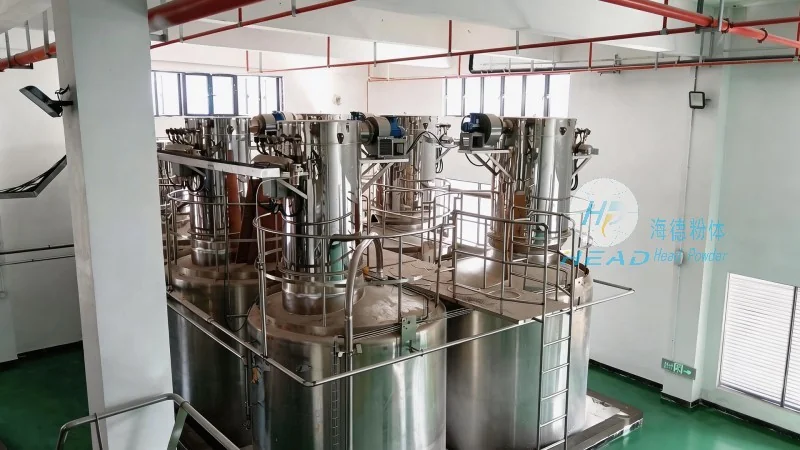
The Operation Process: Step-by-Step Explanation
The operation process of a powder pneumatic conveying machine in a dust removal station typically follows a sequence of steps that ensure efficient and reliable powder transport. The first step involves loading the hopper with the bulk powder, which is then fed into the pipeline system. Simultaneously, the air compressor generates high-pressure air, which is introduced into the pipeline at the inlet of the hopper. As the air flows through the pipeline, it creates a low-pressure zone that draws the powder particles into the air stream, forming a suspension of powder and air. This mixture is then transported through the pipeline to the discharge point, where the powder is separated from the air using a cyclone separator or other filtration equipment. The separated powder is collected in a receiving container, while the air is either filtered and recirculated or vented to the atmosphere, depending on the system design. Throughout this process, the control system monitors key parameters such as air pressure, flow rate, and material level, ensuring that the operation remains within safe and efficient limits. Any deviations from the set parameters are automatically adjusted by the system, minimizing the risk of operational issues and material loss.
Working Principle: How the System Transfers Powders
The working principle of a powder pneumatic conveying machine relies on the fundamental physics of fluid dynamics and particle motion. The system operates on the principle of pneumatic transport, where the powder particles are suspended in the air stream and transported through the pipeline. The key mechanism involves the creation of a pressure differential between the inlet and outlet of the pipeline. The air compressor provides the driving force by generating high-pressure air at the inlet, which creates a pressure gradient that propels the powder-air mixture through the system. The velocity of the air stream is critical, as it must be sufficient to overcome the gravitational forces acting on the powder particles and maintain their suspension. At HeadPowder, our machines are engineered to optimize this velocity, ensuring that the powder particles remain in the air stream without settling or clogging the pipeline. The design of the pipeline, including the diameter and length, is also carefully considered to minimize pressure losses and maintain the required air flow rates. Additionally, the use of appropriate materials for the pipeline and components, such as stainless steel or corrosion-resistant alloys, ensures durability and resistance to the abrasive nature of the powders being transported.
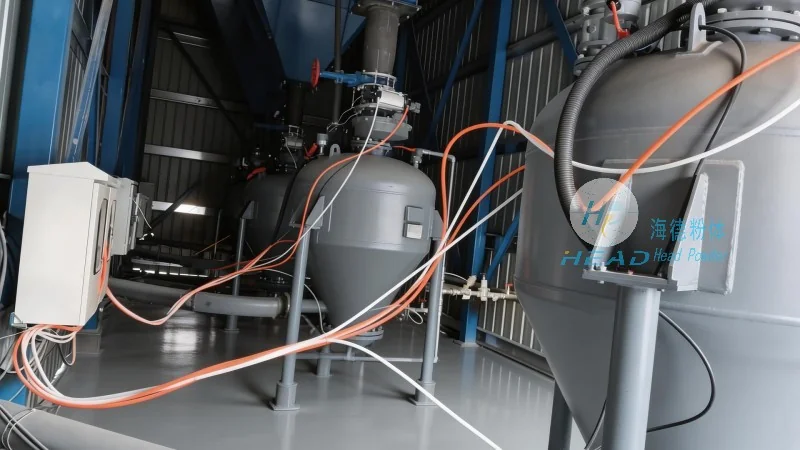
Advantages of Using Powder Pneumatic Conveying Machines in Dust Removal Stations
Implementing powder pneumatic conveying machines in dust removal stations offers several advantages that enhance operational efficiency and safety. One of the primary benefits is the ability to transport powders over long distances without the need for mechanical components like belts or screws, which can be prone to wear and maintenance issues. The pneumatic system also allows for flexible routing of the pipeline, enabling the powder to be transported to multiple destinations from a single source. This flexibility is particularly valuable in dust removal applications, where the powder may need to be transferred to different storage or processing units. Another advantage is the reduced risk of material contamination, as the system is enclosed and sealed, preventing exposure to external elements or cross-contamination. Additionally, the system can handle a wide range of powder characteristics, including fine, cohesive, or abrasive materials, making it suitable for diverse industrial applications. At HeadPowder, our machines are designed to maximize these advantages, providing reliable and efficient powder transport solutions that meet the stringent requirements of dust removal stations.
Conclusion: Enhancing Efficiency in Dust Removal Operations
In conclusion, the operation process and working principle of powder pneumatic conveying machines in dust removal stations are critical to the efficient handling of bulk powders. These systems, developed by Shandong HeadPowder Engineering Co., Ltd., combine advanced engineering with robust design to ensure reliable and safe powder transport. By understanding the key components, operation steps, and working principles, users can optimize the performance of their systems and achieve improved operational efficiency. HeadPowder remains committed to providing high-quality solutions that meet the evolving needs of the industry, ensuring that our customers can rely on our equipment to maintain smooth and effective dust removal operations.