

Operation Process and Working Principle of Rice Bran Powder Pneumatic Conveying Machine
HeadPowder, a leading manufacturer based in Shandong, China, specializes in the design and production of advanced pneumatic conveying systems for various powder materials, including rice bran. This article provides a detailed overview of the operation process and working principle of a rice bran powder pneumatic conveying machine, highlighting its efficiency and reliability in industrial applications.
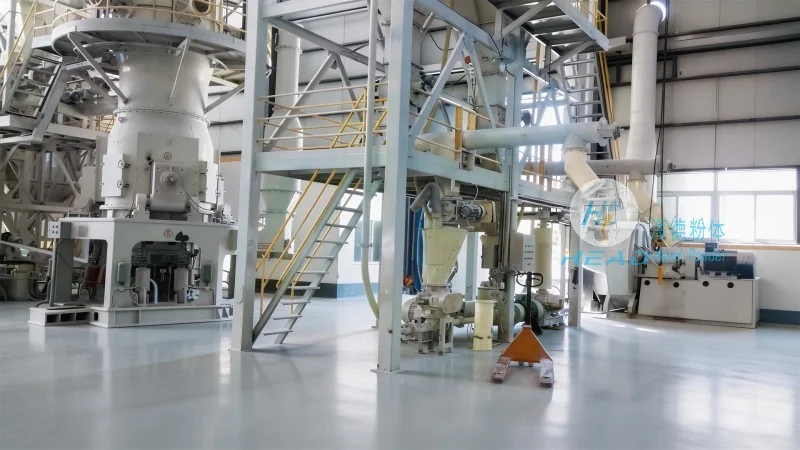
Overview of the Pneumatic Conveying System
The rice bran powder pneumatic conveying machine is an essential piece of equipment in the food processing and agricultural industries. It is engineered to transport rice bran, a byproduct of rice milling, from storage silos or processing units to processing lines or storage facilities. The system operates by using compressed air to move the powder through a network of pipes, ensuring a clean and efficient transfer process. This method eliminates the need for mechanical components like belts or screws, reducing maintenance costs and minimizing product contamination.
Key Components and Their Functions
The pneumatic conveying machine consists of several critical components that work in tandem to achieve effective powder transport. These include the hopper, which serves as the material feeding chamber; the air compressor, which generates the necessary pressure to move the powder; the conveying line, which consists of pipes that direct the material flow; and the discharge valve, which controls the release of the rice bran at the destination. Each component plays a vital role in maintaining the system's performance and ensuring consistent operation.
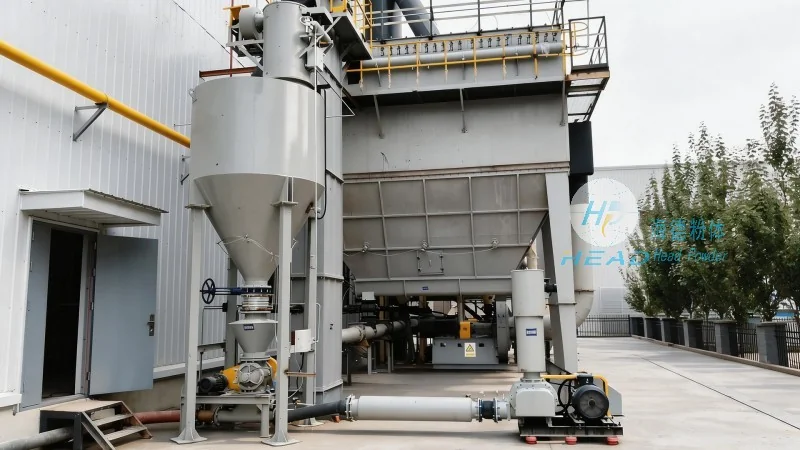
Operation Process of the Pneumatic Conveying Machine
The operation of the rice bran powder pneumatic conveying machine begins with the loading of rice bran into the hopper. The material is then fed into the conveying line under the pressure generated by the air compressor. As the compressed air flows through the pipes, it creates a low-pressure zone that draws the rice bran particles along with it. The mixture of air and powder travels through the system until it reaches the discharge point, where the rice bran is separated from the air and collected in the receiving container. This process is continuous and can be adjusted to handle varying flow rates, making it suitable for different production scales.
Working Principle: The Role of Air Pressure and Flow
The working principle of the pneumatic conveying machine is based on the principles of fluid dynamics and air pressure. The air compressor supplies a constant flow of compressed air, which creates a pressure differential between the hopper and the discharge point. This pressure difference drives the movement of the rice bran particles through the conveying line. The velocity of the air and the size of the particles determine the efficiency of the transport. Properly designed systems ensure that the air velocity is sufficient to keep the powder suspended without causing excessive wear on the equipment. The system also incorporates features such as air filters and moisture control to maintain the quality of the rice bran during transport.
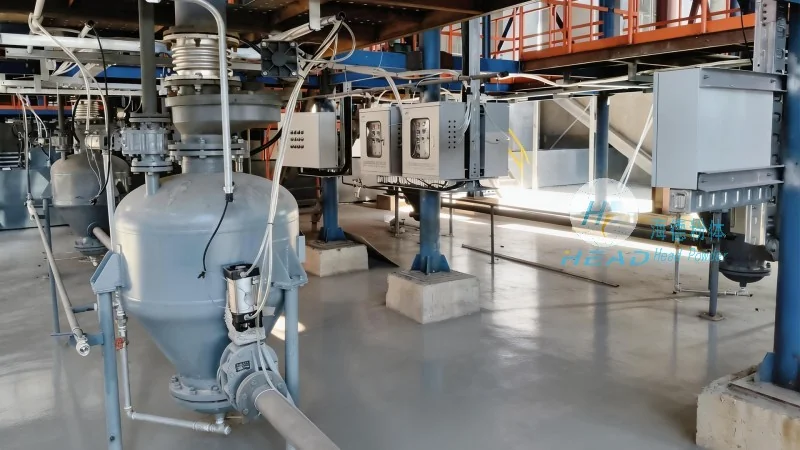
Advantages of Using a Pneumatic Conveying Machine for Rice Bran
Implementing a pneumatic conveying machine for rice bran transport offers several advantages over traditional methods. Firstly, it provides a hygienic and dust-free transfer process, which is crucial in food processing applications. The enclosed system prevents contamination from external sources and reduces the risk of product spoilage. Secondly, it enhances operational efficiency by reducing downtime and maintenance requirements. The absence of mechanical parts minimizes the need for regular repairs and replacements. Additionally, the system can be easily integrated with other processing equipment, improving overall production workflow. Finally, the energy efficiency of pneumatic conveying systems makes them a cost-effective solution for long-term use.
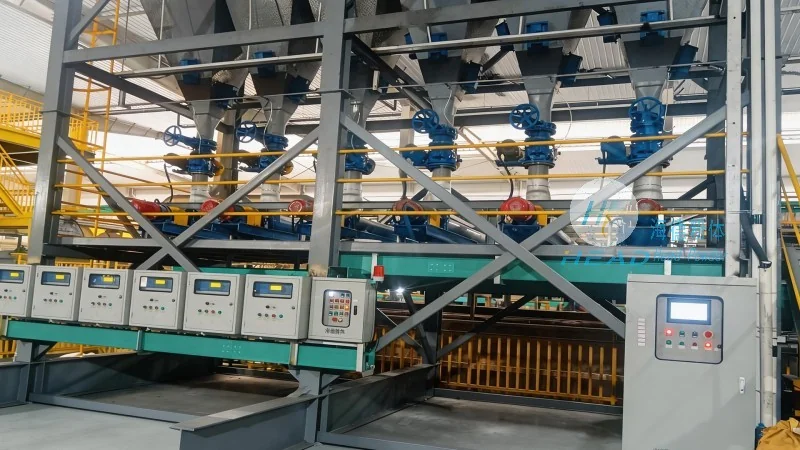
Application Examples and Industry Impact
The rice bran powder pneumatic conveying machine is widely used in the food and agricultural sectors. For instance, in rice milling plants, it efficiently transfers rice bran from storage silos to extraction or processing units. In biofuel production facilities, it moves rice bran to reactors for further processing. The system's adaptability allows it to handle different particle sizes and moisture contents, making it suitable for various industrial applications. By optimizing the transport process, the machine contributes to increased productivity and reduced operational costs for companies operating in these industries.
Conclusion
In conclusion, the rice bran powder pneumatic conveying machine developed by Shandong HeadPowder Engineering Co., Ltd. is a reliable and efficient solution for transporting rice bran in industrial settings. Its operation process, which relies on compressed air and a well-designed system of components, ensures a clean, hygienic, and cost-effective transfer of the powder. The machine's advantages, including reduced contamination risk and lower maintenance needs, make it an ideal choice for food processing and agricultural industries. As a leading manufacturer based in Shandong, China, HeadPowder continues to innovate and provide high-quality pneumatic conveying systems that meet the evolving needs of the industry.