

Operation Process and Working Principle of Mobile Material Handling Equipment
Mobile material handling equipment, as a critical component in modern industrial logistics, plays a vital role in optimizing material flow and enhancing operational efficiency. The equipment, designed for flexibility and mobility, is widely used across various industries to transport, store, and manage materials with precision and reliability. This article will delve into the operational process and working principles of such systems, providing a comprehensive understanding of their functionality and application.
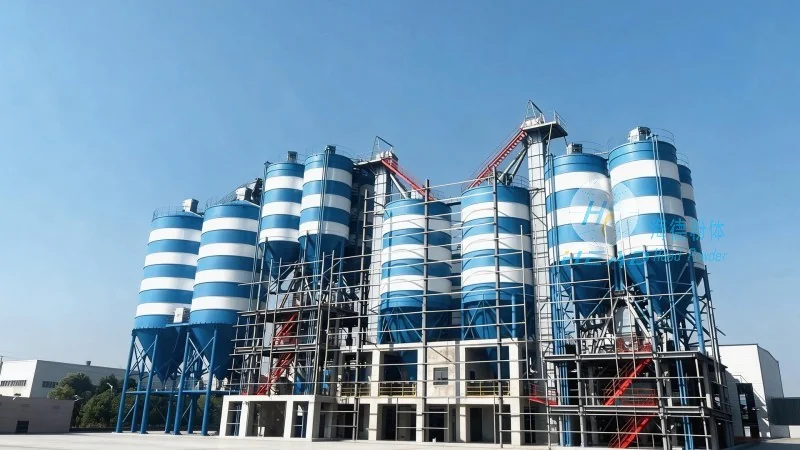
Company Overview: Shandong HeadPowder Engineering Co., Ltd.
HeadPowder, a leading manufacturer in the field of material handling solutions, is dedicated to providing high-quality mobile material handling equipment. With a strong commitment to innovation and customer satisfaction, the company has established itself as a trusted partner for businesses seeking efficient and reliable material transport solutions. HeadPowder's products are engineered to meet diverse industrial needs, ensuring durability, safety, and performance in demanding environments. The company's headquarters is located in Shandong, China, where it leverages advanced technology and skilled expertise to develop cutting-edge solutions for the material handling industry.
Key Components of Mobile Material Handling Systems
Mobile material handling systems typically consist of several key components that work in harmony to facilitate smooth material movement. These components include the power source, control systems, lifting mechanisms, and material handling attachments. The power source, often electric or hydraulic, provides the necessary energy to drive the equipment's movement and operational functions. Control systems, equipped with user-friendly interfaces, allow operators to control the equipment's actions, such as direction, speed, and lifting height. Lifting mechanisms, such as hydraulic cylinders or electric actuators, enable the equipment to lift and lower the load, ensuring safe and efficient handling. Material handling attachments, such as forks, clamps, or pallets, are designed to secure and transport different types of materials, adapting to various industrial applications.
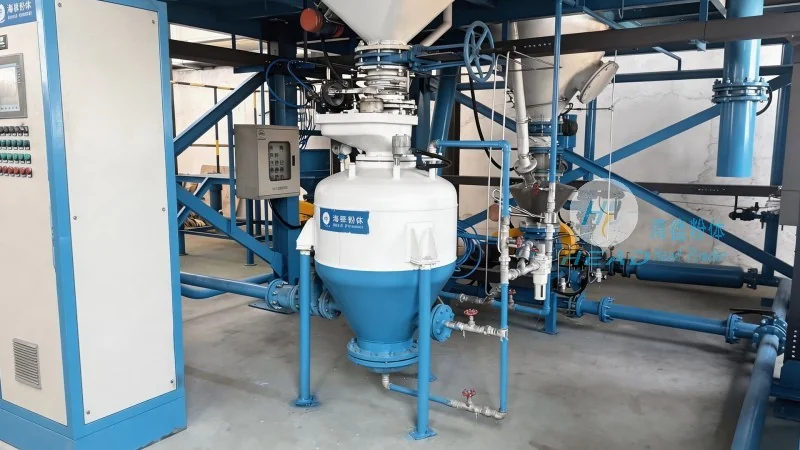
The Operational Process of Mobile Material Handling Equipment
The operation of mobile material handling equipment involves a series of coordinated steps to ensure efficient material handling. The process typically begins with the preparation of the equipment, where the operator checks the system's components, such as the power source, control systems, and lifting mechanisms, to ensure they are in proper working condition. Once the equipment is ready, the operator initiates the movement by using the control system to direct the equipment's direction and speed. The equipment then moves to the designated location, where it positions itself to interact with the material, such as lifting a pallet or loading/unloading a container. The lifting mechanism is activated to lift the load, and the equipment transports it to the required destination. Upon arrival, the equipment lowers the load and positions it securely, completing the material handling task. Throughout the process, the operator monitors the equipment's performance and adjusts controls as needed to maintain safety and efficiency.
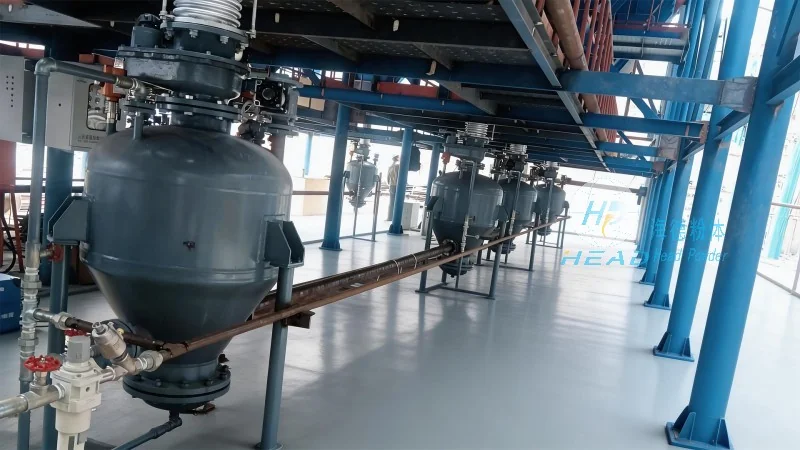
Working Principles of Mobile Material Handling Systems
The working principles of mobile material handling systems are based on mechanical and hydraulic or electric systems that enable precise control and movement. The power source, whether electric or hydraulic, converts energy into mechanical force to drive the equipment's movement. Electric systems use motors to generate torque and motion, while hydraulic systems utilize fluid pressure to operate cylinders and actuators. Control systems, often equipped with sensors and feedback mechanisms, provide real-time monitoring of the equipment's position and load, ensuring accurate and safe operation. The lifting mechanisms, such as hydraulic cylinders, operate by converting hydraulic pressure into linear motion, allowing the equipment to lift and lower the load with controlled force. Material handling attachments are designed to interact with the load, using mechanisms like forks to lift pallets or clamps to secure containers, ensuring secure and stable transport. The integration of these components allows mobile material handling systems to perform complex tasks with precision and reliability, meeting the demands of modern industrial logistics.
Applications and Benefits of Mobile Material Handling Equipment
Mobile material handling equipment is widely used in various industries, including manufacturing, warehousing, and construction, to improve material flow and operational efficiency. In manufacturing plants, the equipment is used to transport raw materials to production lines and move finished products to storage areas, reducing manual labor and increasing productivity. In warehousing, mobile material handling systems are employed to move inventory between storage racks and loading docks, optimizing space utilization and reducing handling time. In construction sites, the equipment is used to transport building materials, such as bricks or concrete, to different areas of the site, enhancing construction efficiency. The benefits of mobile material handling equipment include increased productivity, reduced labor costs, improved safety, and enhanced flexibility. The equipment's mobility allows it to access areas that are difficult to reach with fixed systems, providing greater operational flexibility. Additionally, the use of advanced control systems and sensors ensures safe and efficient operation, minimizing the risk of accidents and damage to materials.