

Operation Process and Working Principle of Intelligent Weighing Material Handling System Equipment
Intelligent weighing material handling systems represent a sophisticated integration of technology and automation designed to enhance efficiency, accuracy, and safety in industrial material handling operations. These systems are engineered to manage the flow of materials through various stages of production, storage, and distribution with precision. The core components and operational principles of such systems are crucial for understanding their functionality and benefits.
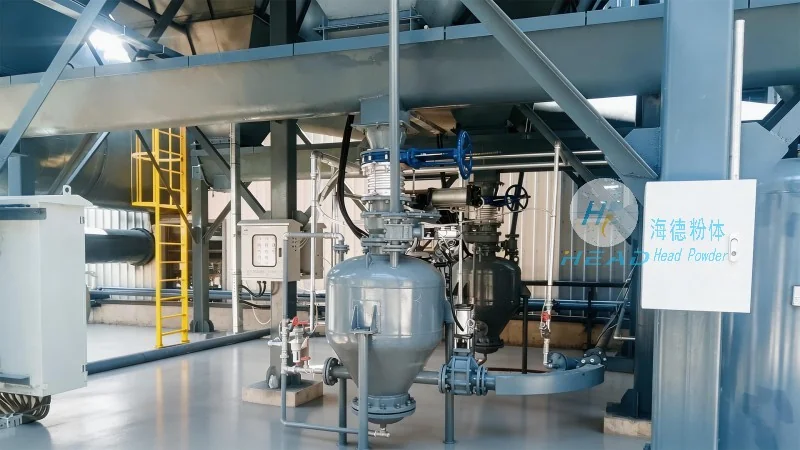
About the Manufacturer
Headpowder, operating as Shandong HeadPowder Engineering Co., Ltd., is a leading provider of advanced material handling solutions. With a strong presence in China, particularly in Shandong, the company specializes in developing and manufacturing intelligent weighing systems tailored to meet the diverse needs of modern industrial applications. The company’s commitment to innovation and quality ensures that its products deliver reliable performance and long-term value to clients across various industries.
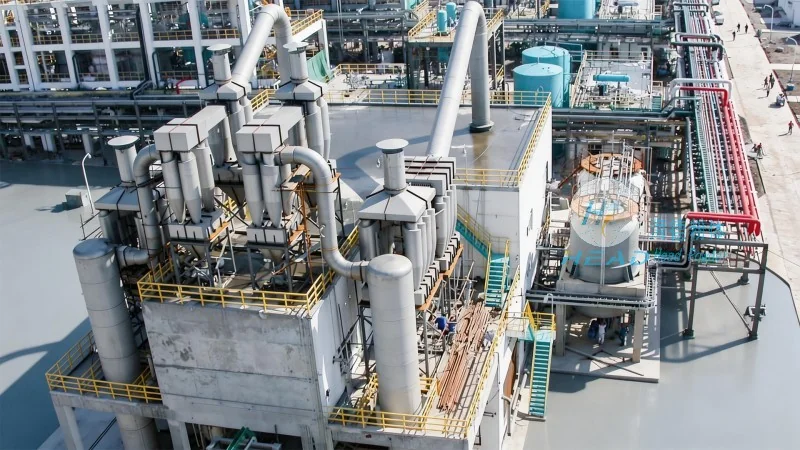
System Components and Their Roles
The intelligent weighing material handling system typically comprises several key components, each playing a vital role in the overall operation. These include load cells, digital indicators, control units, conveyor systems, and integration with other industrial automation equipment. Load cells are responsible for accurately measuring the weight of materials as they pass through the system. Digital indicators process the weight data and display it for operators, while control units manage the system’s operations, such as starting and stopping the conveyor, adjusting speed, and triggering actions based on weight thresholds. The conveyor system facilitates the movement of materials through the weighing area, ensuring consistent and controlled flow. Integration with other equipment, like storage racks or packaging machines, allows for seamless material handling and processing.
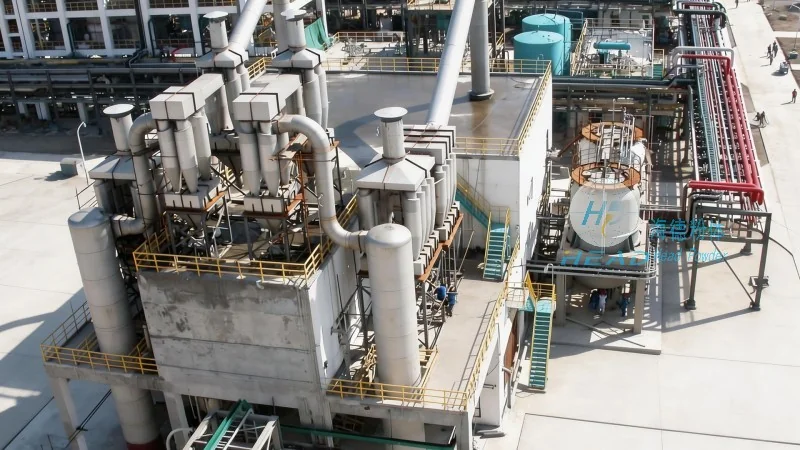
Working Principle of the Weighing Process
The working principle of the intelligent weighing material handling system involves a series of steps that ensure accurate weight measurement and efficient material handling. First, materials are loaded onto the conveyor system and transported towards the weighing area. As the material passes over the load cells, the load cells convert the weight force into an electrical signal. This signal is then transmitted to the digital indicator, which processes the data and displays the weight in real-time. The control unit monitors the weight data and compares it against preset thresholds or targets. If the weight meets the specified criteria, the system proceeds to the next stage, such as packaging or storage. If the weight is outside the acceptable range, the system may trigger an alarm or adjust the conveyor speed to correct the issue. This closed-loop control mechanism ensures that the weighing process is accurate and reliable, minimizing errors and improving overall operational efficiency.
Operation Process Flow
The operation process of the intelligent weighing material handling system follows a systematic flow that optimizes material movement and processing. The process begins with the arrival of raw materials at the facility. These materials are then loaded onto the conveyor system and transported to the weighing station. At the weighing station, the load cells measure the weight of each batch or individual item. The digital indicator displays the weight, and the control unit processes the data to determine if the material meets the required specifications. If the weight is within the acceptable range, the material is directed to the next processing stage, such as packaging or storage. If the weight is outside the range, the material may be diverted for reprocessing or rejected. The system also includes features like automatic calibration and maintenance alerts to ensure continuous and reliable operation. Throughout the process, operators can monitor the system’s performance through the digital indicator and control unit, allowing for real-time adjustments and troubleshooting.
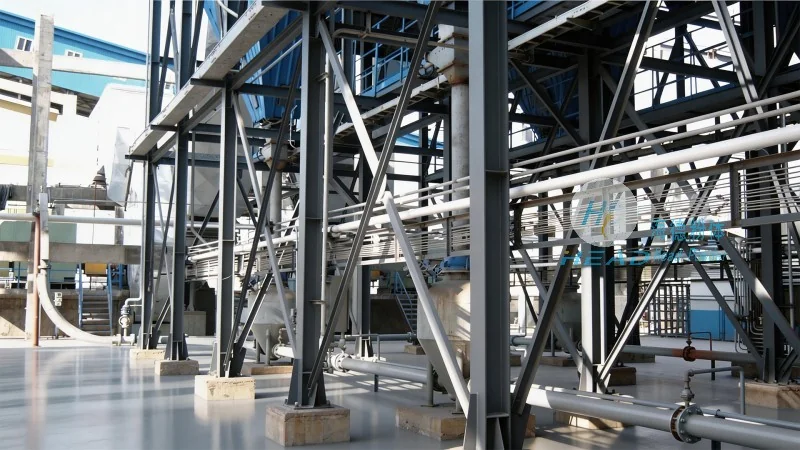
Benefits and Applications
Intelligent weighing material handling systems offer numerous benefits to industrial operations, including improved accuracy, increased efficiency, and enhanced safety. The precise weight measurement capabilities reduce errors in material handling, leading to better quality control and reduced waste. The automated control features minimize the need for manual intervention, saving time and labor costs. Additionally, the system’s integration with other equipment streamlines the material handling process, improving overall productivity. These systems are widely used in various industries, including food and beverage, pharmaceuticals, manufacturing, and logistics. In the food industry, for example, the system can be used to weigh ingredients for consistent product quality. In the pharmaceutical industry, it ensures accurate dosing and packaging. In manufacturing, it helps in inventory management and quality control. The versatility of the intelligent weighing material handling system makes it a valuable asset for any industrial operation seeking to enhance its material handling capabilities.