

How to Design a Reasonable Paper Sheet Pneumatic Conveying System Plan?
When designing a pneumatic conveying system for paper sheets, it is crucial to consider multiple factors to ensure efficiency, reliability, and cost-effectiveness. The system's performance is directly influenced by the selection of components, material properties, and operational parameters. This article provides a comprehensive guide to designing a reasonable paper sheet pneumatic conveying system, focusing on key considerations and practical implementation strategies.
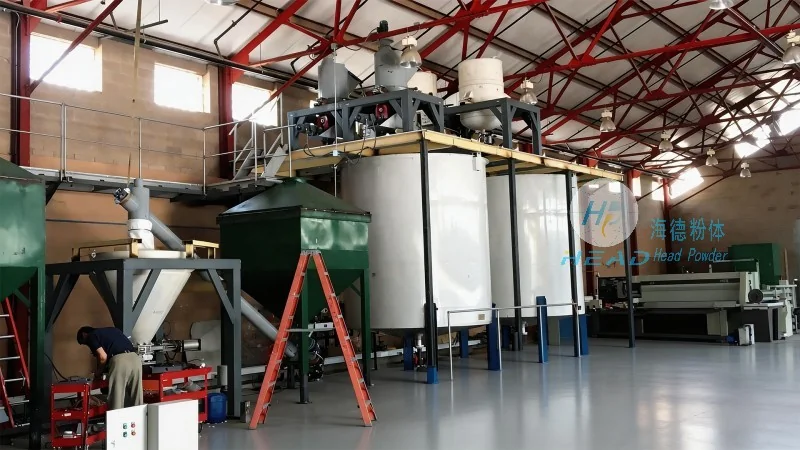
Key Components of a Paper Sheet Pneumatic Conveying System
A typical paper sheet pneumatic conveying system consists of several essential components. The primary elements include a hopper for material storage, a feeder to control the flow rate, a conveying line (usually a pipe), a blower or compressor to generate the air flow, and a receiver for the discharged material. Each component plays a vital role in the overall system's functionality. The hopper must be designed to accommodate the bulk density and flow characteristics of paper sheets, preventing bridging or clogging. The feeder, such as a rotary valve or screw feeder, ensures a consistent and controlled feed rate, which is critical for maintaining system stability. The conveying line, often made of stainless steel or plastic, must be sized appropriately to handle the air velocity and material volume. The blower or compressor provides the necessary pressure and airflow to move the paper sheets through the system. Finally, the receiver collects the conveyed material and may include a dust collection system to maintain air quality.
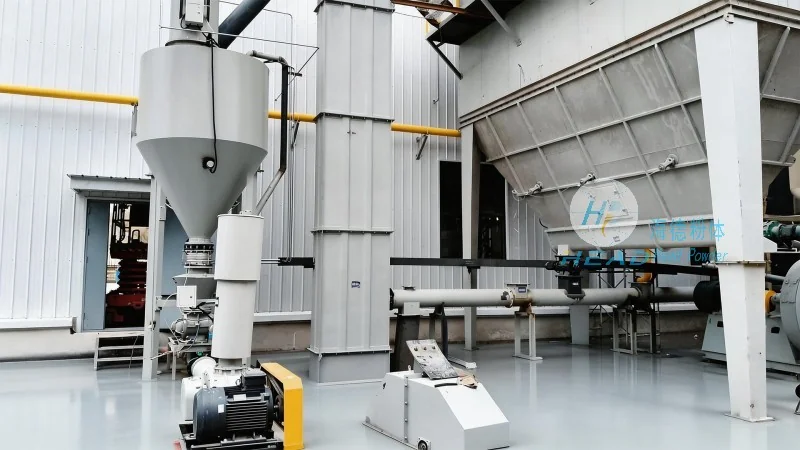
Design Considerations for Paper Sheet Pneumatic Conveying
Several design considerations are essential when developing a paper sheet pneumatic conveying system. The first is the material's physical properties, including bulk density, particle size distribution, and moisture content. Paper sheets are lightweight and can be easily carried by air, but their low bulk density may require higher air velocities or larger pipe diameters to achieve the desired conveying rate. The material's moisture content can affect its flowability and may require additional drying or conditioning steps to prevent clogging. Another critical factor is the system's operating pressure and air velocity. Higher air velocities can increase the risk of material degradation or equipment wear, while lower velocities may lead to system inefficiency or material deposition. The system's layout and pipe configuration also impact performance. Properly sized and angled pipes minimize pressure losses and ensure smooth material flow. Additionally, the inclusion of a filter or dust collector is necessary to maintain air quality and comply with environmental regulations.
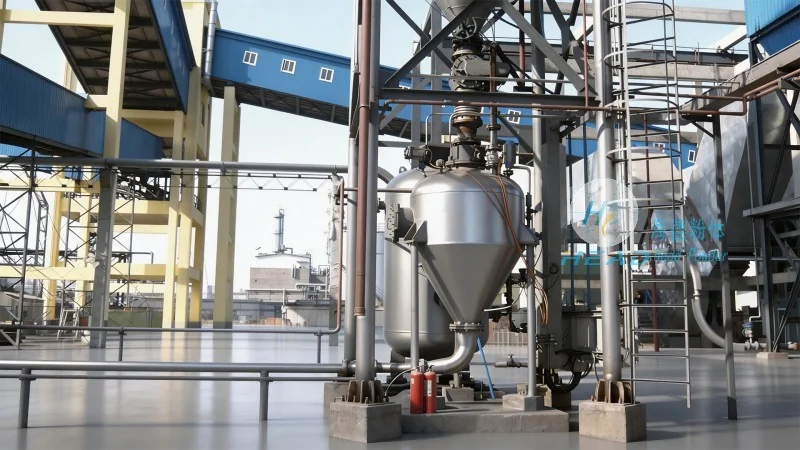
HeadPowder's Expertise in Pneumatic Conveying Solutions
Shandong HeadPowder Engineering Co., Ltd., a leading provider of pneumatic conveying systems, specializes in designing and manufacturing customized solutions for various industrial applications. With years of experience in the field, HeadPowder has developed a deep understanding of the unique challenges associated with paper sheet handling. The company's team of engineers and technicians work closely with clients to assess their specific needs and provide tailored system designs. HeadPowder's approach emphasizes efficiency, reliability, and cost-effectiveness, ensuring that each system meets the client's operational requirements while adhering to industry standards. The company's commitment to quality and innovation has earned it a reputation as a trusted partner in the industry. Whether for new installations or system upgrades, HeadPowder offers comprehensive support, from initial design and engineering to installation and maintenance. This expertise makes HeadPowder an ideal choice for businesses seeking reliable and efficient paper sheet pneumatic conveying solutions.
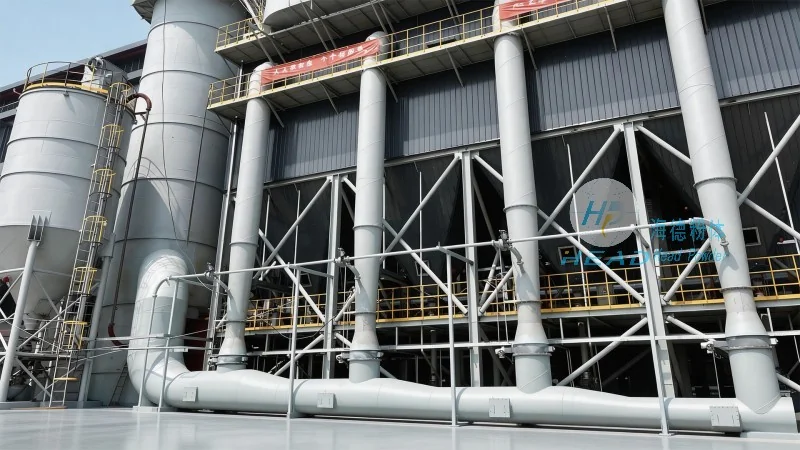
Conclusion and Practical Recommendations
Designing a reasonable paper sheet pneumatic conveying system requires careful consideration of material properties, system components, and operational parameters. By addressing these factors and leveraging the expertise of experienced providers like Shandong HeadPowder Engineering Co., Ltd., businesses can achieve efficient and reliable material handling. The key to success lies in selecting the appropriate components, optimizing system layout, and maintaining proper operation. Regular maintenance and monitoring are also essential to ensure long-term system performance. By following these guidelines and working with a reputable supplier, companies can improve their operational efficiency and reduce costs associated with material handling. The result is a well-designed pneumatic conveying system that meets the specific needs of the application while providing reliable and consistent performance.