

Principle and Working Scenario Characteristics of Calcite Powder Pneumatic Conveying Systems
Calcite powder, a common calcium carbonate mineral, is widely used in various industrial applications such as construction, paper manufacturing, and chemical processing. The efficient handling of calcite powder is crucial for maintaining production efficiency and product quality. Pneumatic conveying systems offer a reliable solution for transporting calcite powder from one location to another, ensuring minimal product degradation and operational safety.
The Working Principle of Pneumatic Conveying Systems
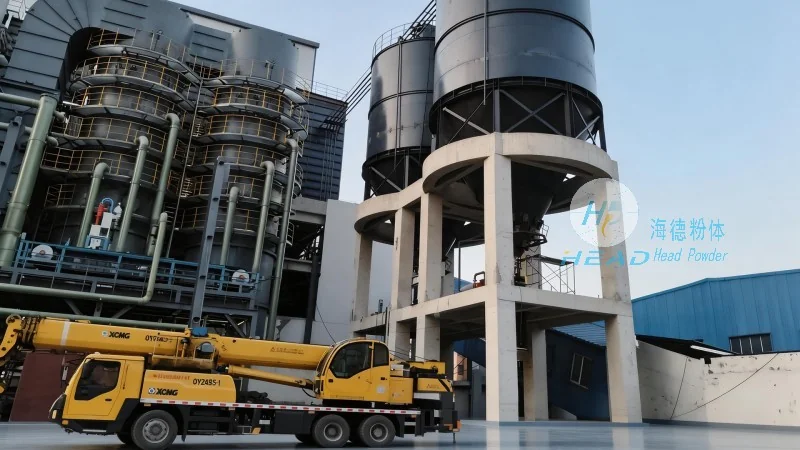
The core of a calcite powder pneumatic conveyor is the use of air or gas to transport particulate materials. The system typically consists of a hopper, a conveyor line, and a receiver. The process begins when calcite powder is fed into the hopper. A fan or blower then generates a flow of air, which draws the powder particles into the conveyor line. The air-particle mixture travels through the pipeline, and the powder is separated from the air at the receiver end, often through a cyclone or filter system. This method eliminates the need for mechanical components like belts or screws, reducing maintenance requirements and improving product purity.
Key Working Scenario Characteristics
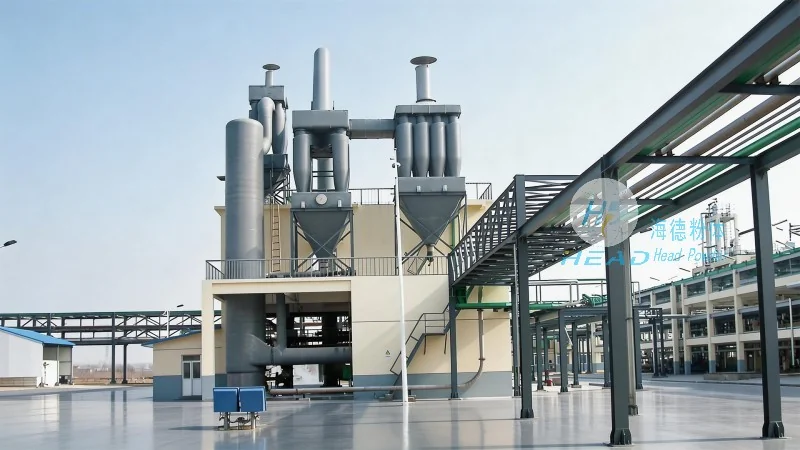
Several key characteristics define the operational scenarios of calcite powder pneumatic conveying systems. First, the system's ability to handle fine powders without clogging is critical, as calcite powder often has a particle size that can lead to blockages in traditional conveyors. The design of the pipeline and the air velocity are carefully optimized to prevent particle agglomeration and ensure smooth flow. Second, the system's flexibility in terms of layout is advantageous. It can be configured to follow complex routes, including vertical and horizontal changes, making it suitable for facilities with limited space or irregular layouts. Third, the environmental impact is a significant consideration. Pneumatic conveying systems can be equipped with dust collection and filtration systems to minimize air pollution and comply with environmental regulations. This is particularly important in industrial settings where air quality is a concern.
Applications and Industry Benefits
Calcite powder pneumatic conveying systems are widely adopted in industries that require the transport of fine powders. In the construction industry, they are used to move calcite powder for cement production and plaster applications. The chemical industry utilizes them for processing calcium carbonate in various formulations. The paper industry also benefits from these systems when handling fillers and coatings. The primary benefits include improved product quality by reducing contamination and moisture, enhanced operational efficiency through automated feeding and transport, and cost savings from reduced downtime and maintenance. Additionally, the systems contribute to workplace safety by eliminating manual handling of powders, which can be dusty and hazardous.
About Shandong HeadPowder Engineering Co., Ltd.
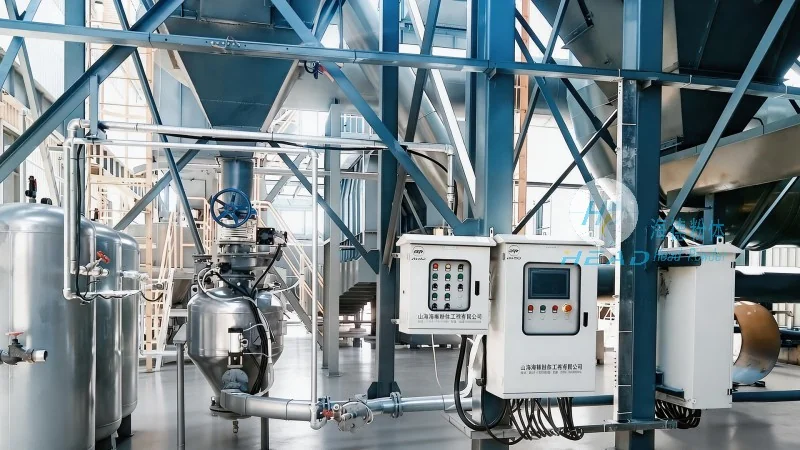
Shandong HeadPowder Engineering Co., Ltd., based in Shandong, China, specializes in the design, manufacturing, and installation of advanced pneumatic conveying systems. With years of experience in the industry, the company has developed a reputation for providing high-quality, customized solutions tailored to the specific needs of clients. The company's expertise lies in understanding the unique challenges of handling calcite powder and other fine materials, ensuring that their systems are robust, efficient, and reliable. HeadPowder Engineering focuses on delivering solutions that meet both operational and environmental standards, helping clients achieve their production goals while maintaining compliance with industry regulations.