

Principle and Working Scene Characteristics of Dust Powder Pneumatic Conveying Machines
HeadPowder, a leading manufacturer based in Shandong, China, specializes in the design, development, and production of advanced dust and powder pneumatic conveying systems. This article delves into the fundamental principles of these machines and explores the diverse working scenarios where they are applied, providing a comprehensive overview for professionals in the industry.
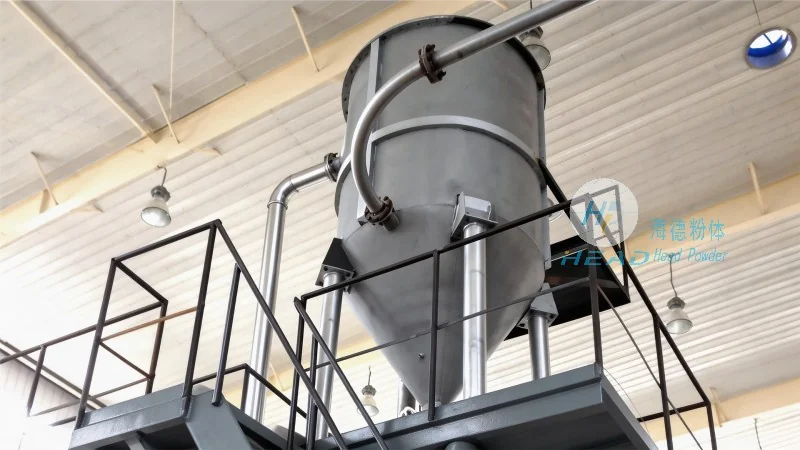
Understanding the Core Principle of Pneumatic Conveying Systems
Pneumatic conveying machines operate on the principle of transporting bulk materials, such as powders and fine particles, through a pipeline using compressed air or gas. The process involves creating a pressure differential between the inlet and outlet of the system, which propels the material forward. There are two primary types of pneumatic conveying: pressure and vacuum systems. Pressure systems use compressed air to push material through the pipeline, while vacuum systems create a negative pressure to draw material into the system. The choice between these systems depends on factors like material properties, distance, and the need for containment. HeadPowder's expertise lies in customizing these systems to meet specific operational requirements, ensuring efficient and reliable material handling.
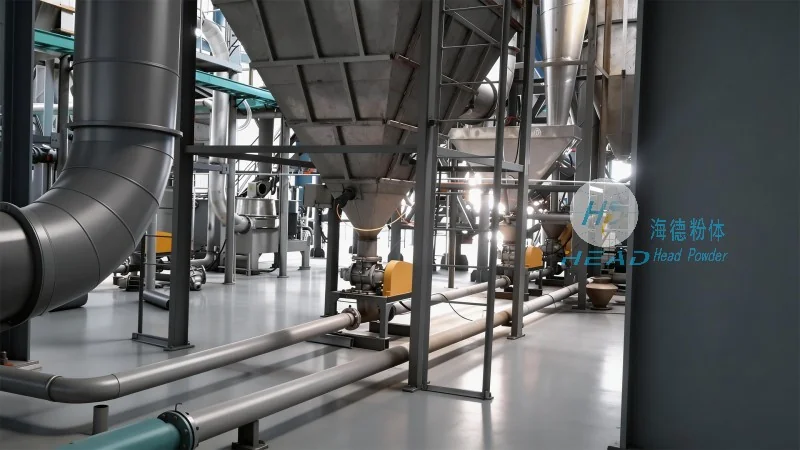
Key Working Scene Characteristics of Dust Powder Pneumatic Conveying Machines
The application of dust and powder pneumatic conveying machines spans various industries, each with unique characteristics that define their operational environment. In the chemical industry, these systems are crucial for handling hazardous powders, where containment and safety are paramount. The machines are designed to minimize dust emissions and prevent material contamination, adhering to strict regulatory standards. In the food and pharmaceutical sectors, the focus is on maintaining sterile conditions and preventing cross-contamination. HeadPowder's solutions incorporate features like sanitary design, stainless steel construction, and closed-loop systems to meet these stringent requirements. The construction industry also benefits from these machines, particularly in transporting cement, sand, and other bulk materials over long distances with minimal labor. The ability to handle abrasive materials without causing wear and tear on the system components is a key advantage, making these machines suitable for heavy-duty applications. Additionally, in the mining and mineral processing industry, pneumatic conveying is used to transport raw materials and byproducts, improving overall plant efficiency and reducing the need for manual handling.
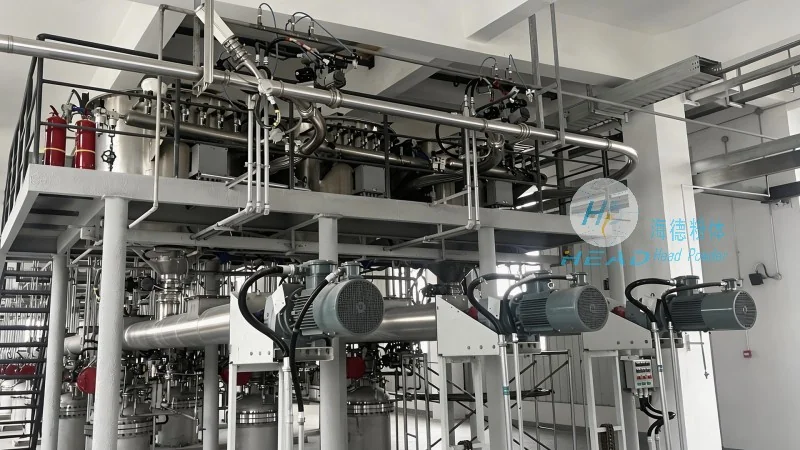
Advantages and Practical Applications in Diverse Environments
One of the primary advantages of pneumatic conveying systems is their ability to handle a wide range of materials, from fine powders to granules, with minimal segregation or degradation. The enclosed pipeline design prevents dust from escaping into the environment, enhancing workplace safety and compliance with environmental regulations. HeadPowder's systems are engineered to handle abrasive materials, ensuring long service life and low maintenance costs. The flexibility of pneumatic conveying allows for easy integration into existing production lines, reducing downtime and increasing overall productivity. In industrial settings, these machines are often used in conjunction with other equipment, such as mixers, blenders, and storage silos, to form a seamless material handling process. The ability to transport materials vertically, horizontally, or in a combination of both directions makes them versatile for complex layouts. Furthermore, the systems can be scaled to accommodate varying production volumes, from small-scale laboratory applications to large-scale industrial operations. HeadPowder's commitment to quality and innovation ensures that their pneumatic conveying machines are tailored to meet the specific needs of each client, providing reliable and efficient solutions for material transport in various working scenarios.