

Principles and Application Scenarios of Dry Powder Material Handling Systems
Understanding the core principles and operational characteristics of dry powder material handling systems is essential for industries that rely on efficient and reliable transportation of powders. These systems are designed to manage the movement of dry, fine materials such as cement, flour, and chemical powders, ensuring safe and effective processing from source to destination. The technology behind these systems integrates mechanical components, control systems, and material handling strategies to optimize performance in various industrial settings.
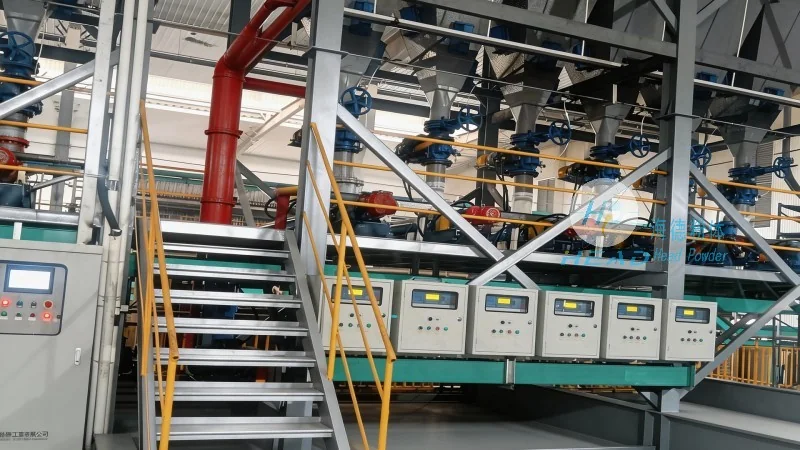
Key Principles of Dry Powder Material Handling
The fundamental principles of dry powder material handling systems revolve around the physics of powder flow and the mechanics of conveying equipment. Key principles include maintaining proper material density and flowability, preventing caking or agglomeration, and ensuring consistent pressure and velocity within the system. Advanced systems often incorporate features like aeration, vibration, or mechanical agitation to enhance material flow and prevent blockages. The design of the system must also consider the properties of the specific powder, such as particle size distribution, moisture content, and bulk density, to tailor the conveying method to the material's characteristics.
Types of Dry Powder Conveying Systems
Dry powder material handling systems utilize various conveying technologies to meet different operational requirements. Common types include pneumatic conveying systems, which use air to transport powders through pipelines, and mechanical conveying systems like screw conveyors, belt conveyors, and bucket elevators. Pneumatic systems are particularly effective for high-volume, long-distance transport of fine powders, while mechanical systems are often preferred for shorter distances or when handling bulkier materials. The choice of system depends on factors like material properties, distance, and the need for containment or dust control. For example, in cement production, pneumatic conveying is widely used to transport raw materials and finished products, while in food processing, mechanical conveyors may be more suitable due to hygiene requirements.
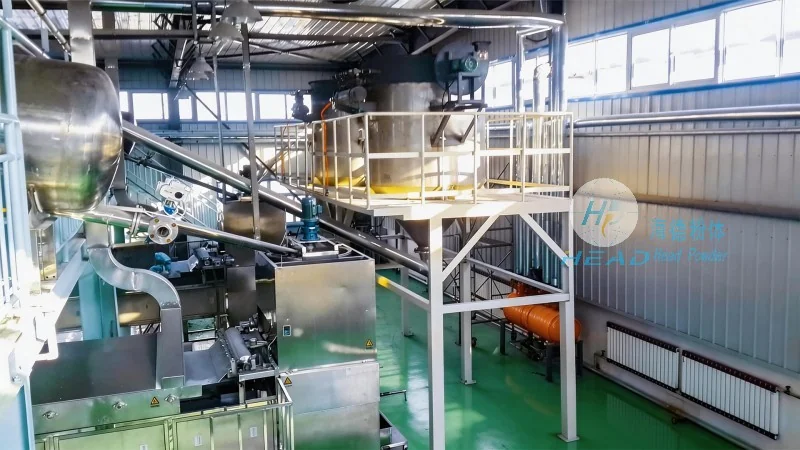
Application Scenarios and Industry Use Cases
Dry powder material handling systems are employed across a wide range of industries, each with unique operational demands. In the construction industry, these systems are critical for transporting cement, fly ash, and other raw materials to concrete mixing plants. The ability to handle large volumes of powders efficiently ensures that construction projects can proceed without delays caused by material shortages or handling inefficiencies. In the chemical industry, the systems are used to transport reactive powders and fine chemicals, requiring strict control over temperature, pressure, and material purity to prevent accidents or contamination. The pharmaceutical industry also relies on specialized dry powder handling systems to maintain sterile conditions and prevent cross-contamination during the transport of active pharmaceutical ingredients (APIs) and excipients. Each application scenario demands tailored system design to meet regulatory and operational standards.
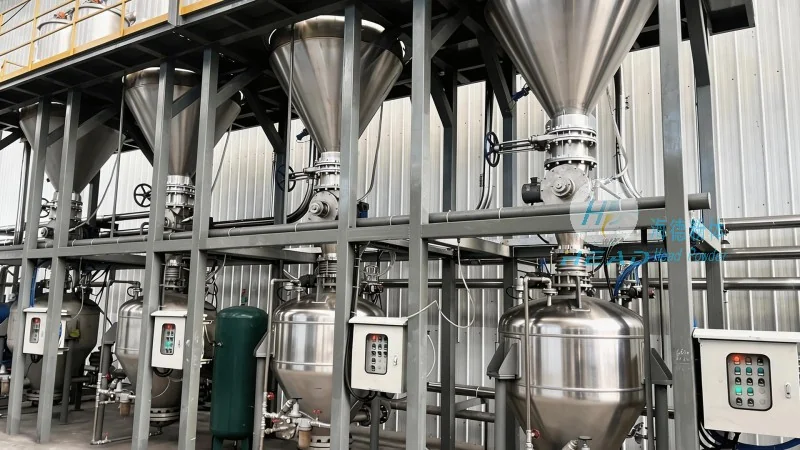
System Components and Operational Efficiency
The performance of a dry powder material handling system is determined by its components and the efficiency of its operation. Key components include feeders, which control the rate of material discharge; conveyors, which transport the material; and control systems, which monitor and adjust parameters like air pressure, flow rate, and temperature. The integration of these components is crucial for maintaining consistent material flow and preventing system downtime. Advanced systems often incorporate sensors and automation to provide real-time monitoring of system performance, allowing for immediate adjustments to optimize efficiency. For instance, in a cement plant, the system may use a combination of rotary feeders and pneumatic conveyors, with automated controls to adjust air pressure based on material flow rates, ensuring that the conveying process remains stable and efficient under varying load conditions.
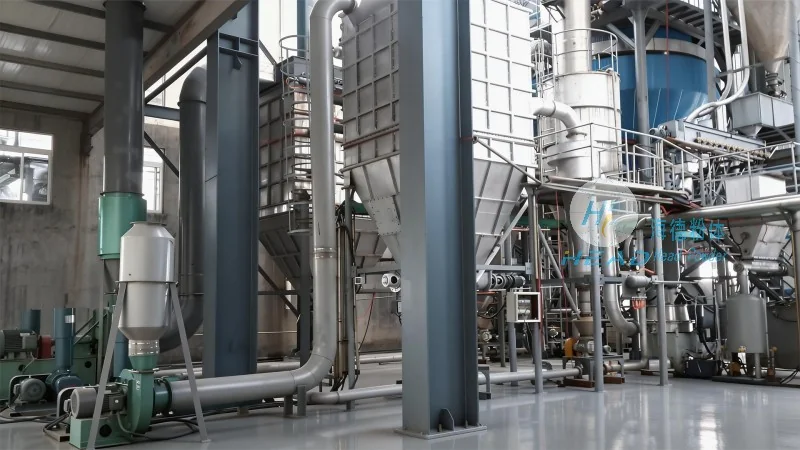
Addressing Common Challenges in Dry Powder Handling
Despite their effectiveness, dry powder material handling systems can face challenges such as material buildup, clogging, and dust generation. These issues can lead to reduced efficiency, increased maintenance costs, and safety hazards. To address these challenges, manufacturers employ various solutions, including anti-caking agents, vibration systems, and dust suppression technologies. For example, in high-moisture powders, adding anti-caking agents can prevent agglomeration and improve flowability. In systems where dust is a concern, dust collection systems and enclosures are used to minimize emissions and protect personnel. Regular maintenance and system checks are also essential to prevent issues before they escalate. By addressing these challenges proactively, industries can ensure the long-term reliability and performance of their dry powder handling systems.
Conclusion and Industry Impact
Dry powder material handling systems play a vital role in modern industrial operations, enabling efficient and safe transportation of critical materials. The principles and technologies behind these systems have evolved to meet the diverse needs of various industries, from construction to pharmaceuticals. As industries continue to demand higher efficiency and reliability, the development of advanced dry powder handling systems will remain a key focus. Companies like Shandong HeadPowder Engineering Co., Ltd. specialize in designing and manufacturing these systems, providing tailored solutions to meet the specific requirements of their clients. With a focus on innovation and quality, such companies contribute to the optimization of industrial processes and the overall productivity of industries worldwide.