

Principle and Working Scene Characteristics of Sodium Sulphate Material Handling Systems
HeadPowder, a leading engineering firm based in Shandong, China, specializes in the design and implementation of efficient material handling systems tailored for sodium sulphate (also known as Glauber's salt) processing. This article explores the fundamental principles behind these systems and highlights key working scene characteristics that define their operational effectiveness.
Understanding the Core Principles of Sodium Sulphate Material Handling Systems
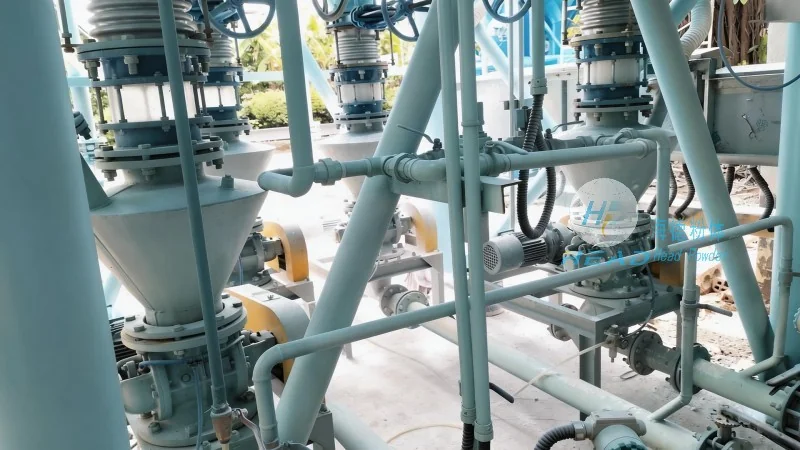
The material handling systems for sodium sulphate operations are engineered to address the unique physical and chemical properties of the material. Sodium sulphate, a white crystalline solid, is commonly used in industries such as glass manufacturing, detergents, and food processing. The systems are designed to ensure safe, efficient, and reliable transportation of this material from storage to processing units. Key principles include:
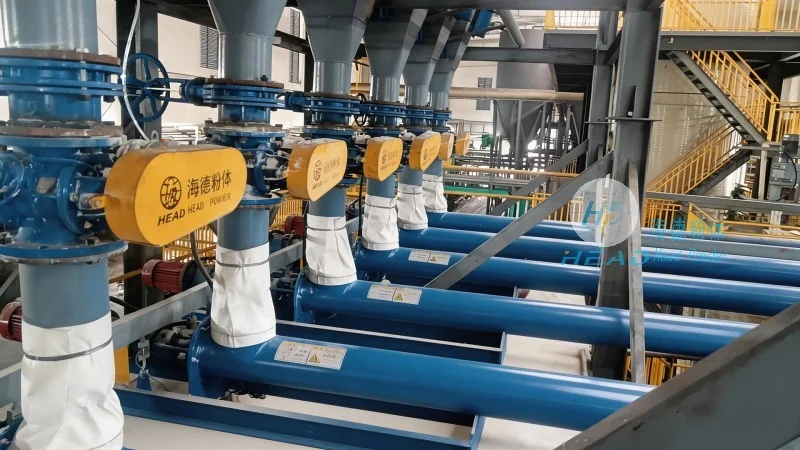
- Material Flow Optimization: Systems are configured to minimize material handling time and energy consumption. This involves selecting appropriate conveyor types, such as belt conveyors or screw conveyors, based on the material's bulk density and flow characteristics.
- Equipment Durability: Given the abrasive nature of sodium sulphate crystals, equipment components like conveyor belts, hoppers, and chutes are constructed from corrosion-resistant materials like stainless steel or high-density polyethylene to extend service life.
- Safety and Compliance: All systems adhere to industrial safety standards, incorporating features like overload protection, dust suppression mechanisms, and emergency stop buttons to ensure operator safety and regulatory compliance.
Key Working Scene Characteristics of the Systems
The operational environment of sodium sulphate material handling systems varies based on the specific application and scale of the facility. Understanding these characteristics is crucial for optimizing system performance and ensuring long-term reliability.
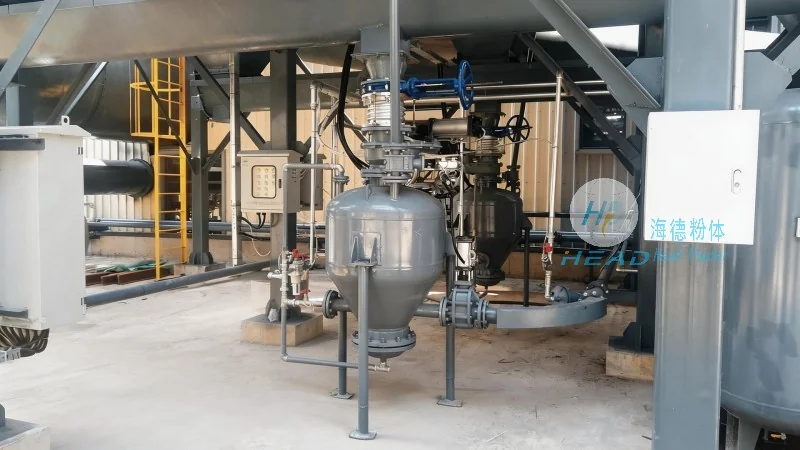
- Industrial Processing Facilities: In large-scale manufacturing plants, these systems are integrated into continuous production lines. They handle bulk quantities of sodium sulphate, often from storage silos to reaction vessels or packaging units. The systems must operate continuously with minimal downtime to support high production throughput.
- Storage and Transfer Operations: In storage facilities, the systems facilitate the transfer of sodium sulphate from bulk storage tanks or bags to conveyor systems. This involves using hoppers and loading equipment to ensure smooth material flow. The focus here is on efficient inventory management and reduced handling costs.
- Environmental Considerations: Due to the fine powder nature of sodium sulphate, dust control is a critical aspect. Systems are equipped with dust collection and filtration systems to minimize airborne particles, protecting both the environment and personnel. This is particularly important in outdoor or open-air storage areas.
HeadPowder's Expertise in Designing Tailored Solutions
Shandong HeadPowder Engineering Co., Ltd. leverages decades of experience in material handling engineering to develop customized systems that meet the specific needs of clients. The company's team of engineers conducts thorough site assessments to understand the operational requirements, material characteristics, and safety regulations before designing a system. This approach ensures that the final solution is not only efficient but also compliant and cost-effective.

For instance, in a glass manufacturing plant, the system might include a combination of belt conveyors and screw feeders to transport sodium sulphate from storage to the glass melting furnace. The design considers the high-temperature environment and the need for precise material dosing. Similarly, in a detergent production facility, the system may integrate with batching equipment to ensure accurate ingredient proportioning.