

Principle and Working Scene Characteristics of Activated Carbon Pneumatic Conveying Lines
HeadPowder, a leading provider in the field of material handling solutions, specializes in the design, manufacturing, and installation of advanced pneumatic conveying systems. This article delves into the operational principles and key characteristics of activated carbon pneumatic conveying lines, highlighting their applications and benefits in various industrial settings.
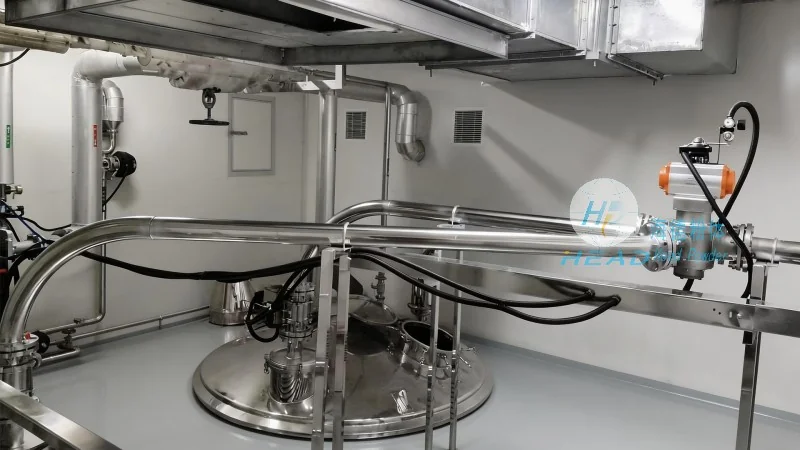
Introduction to Activated Carbon Pneumatic Conveying Systems
Activated carbon, a highly porous carbon material, is widely used in air purification, water treatment, and other industrial processes due to its exceptional adsorption capacity. The pneumatic conveying line is a critical component for transporting activated carbon efficiently and safely. This system utilizes compressed air to move the material through a pipeline, eliminating the need for mechanical components like conveyors or elevators that might cause contamination or damage to the product.
The Fundamental Principle of Pneumatic Conveying
The core principle of pneumatic conveying is the creation of a pressure differential that propels the material through the system. In an activated carbon pneumatic conveying line, a blower or compressor generates high-pressure air, which is then introduced into the conveying line. The air flows through the pipeline, carrying the activated carbon particles in a suspension. The velocity of the air is carefully controlled to ensure that the particles remain suspended without settling or causing blockages. This process relies on the balance between the air velocity and the particle size, density, and shape, ensuring smooth and continuous transport.
Key Working Scene Characteristics
Activated carbon pneumatic conveying lines are designed to operate in diverse industrial environments, each with unique requirements. The following characteristics define their performance and suitability in different working scenarios:
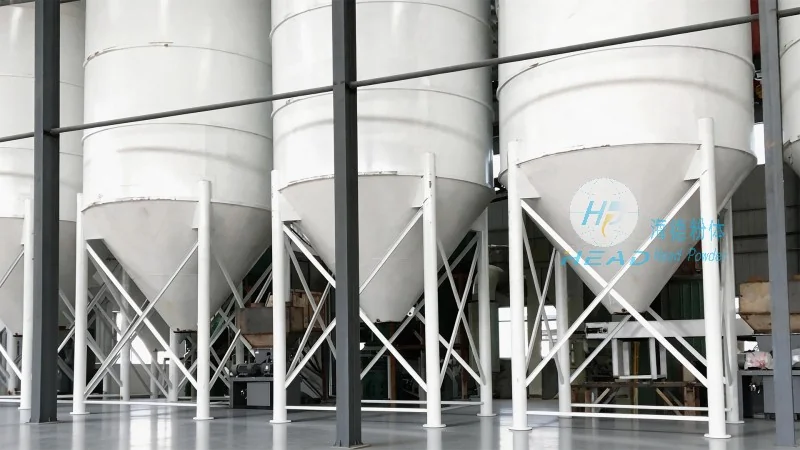
1. High Efficiency and Low Maintenance
One of the primary advantages of this system is its high efficiency in material transport. The absence of moving parts reduces wear and tear, leading to lower maintenance costs and longer operational life. This makes it ideal for continuous production lines where downtime is minimized. The system's ability to handle large volumes of activated carbon at once enhances productivity, making it suitable for high-demand industrial applications.
2. Gentle Handling and Preservation of Product Quality
Activated carbon is a delicate material that can be easily damaged by mechanical abrasion or excessive pressure. Pneumatic conveying lines provide a gentle transport method, as the particles are carried by air rather than being crushed or deformed. This preservation of product quality is crucial in applications where the adsorption properties of the activated carbon are critical, such as in air filtration systems or chemical processing. The system's design ensures that the material remains intact, maintaining its effectiveness and lifespan.
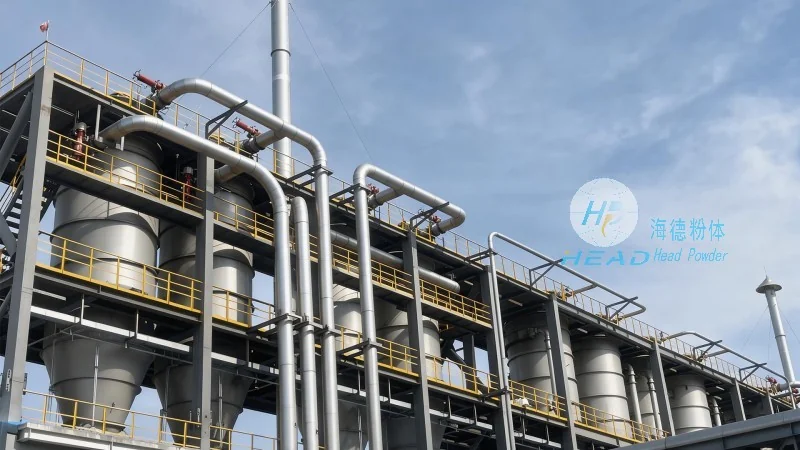
3. Versatility in Application and Scalability
Activated carbon pneumatic conveying lines are versatile and can be adapted to various industrial processes. They are commonly used in the chemical industry for transporting activated carbon used in adsorption processes, in the environmental sector for air and water purification systems, and in the pharmaceutical industry for handling activated carbon in filtration and purification steps. The system's scalability allows it to be customized for different production capacities, from small-scale laboratory applications to large-scale industrial plants. This adaptability makes it a flexible solution for diverse operational needs.
4. Safety and Environmental Considerations
Operating in environments where safety and environmental compliance are paramount, pneumatic conveying lines offer several benefits. The enclosed pipeline system prevents dust emissions and minimizes the risk of material exposure to the environment or personnel. This is particularly important for activated carbon, which can be a respiratory irritant if inhaled. The system's design also reduces the need for manual handling, lowering the risk of accidents and improving workplace safety. Additionally, the efficient transport reduces energy consumption compared to traditional methods, contributing to lower operational costs and a smaller environmental footprint.
Conclusion
Activated carbon pneumatic conveying lines represent a sophisticated and efficient solution for the transport of activated carbon in industrial applications. By leveraging the principles of pneumatic conveying, these systems offer high efficiency, gentle handling, versatility, and safety. As a result, they are widely adopted in various industries, including chemical, environmental, and pharmaceutical sectors. HeadPowder, with its expertise in engineering and manufacturing, provides tailored solutions that meet the specific needs of clients, ensuring reliable and effective material handling in diverse working environments.