

Principle and Working Scene Characteristics of Plastic Pellet Pneumatic Conveying Lines
Plastic pellet pneumatic conveying lines are an efficient and flexible method for transporting plastic particles in industrial settings. These systems utilize air pressure to move materials, offering advantages such as minimal contamination, reduced labor costs, and the ability to handle materials in enclosed environments. The core principle involves creating a pressure differential between the conveying line and the ambient air, which propels the plastic pellets through the system. This process typically includes components like a hopper, a rotary valve, a conveying pipe, and a receiver, each playing a crucial role in the overall operation.
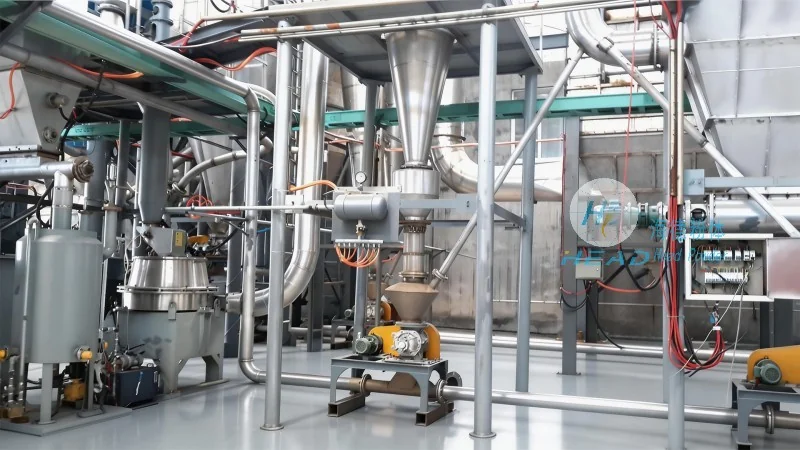
Working Principle of Plastic Pellet Pneumatic Conveying Lines
The operation of plastic pellet pneumatic conveying lines is based on the fundamental principle of air movement and material transport. When the system is activated, a fan or blower generates a flow of air within the conveying pipe. The plastic pellets are introduced into the system, often via a hopper equipped with a rotary valve, which controls the flow rate. The air flow then carries the pellets through the pipe network, transporting them to the destination, such as a storage silo or processing unit. The pressure differential created by the fan ensures that the pellets are continuously moved, preventing clogging and maintaining a steady flow. This method is particularly effective for materials that are lightweight and prone to dust, as the enclosed system minimizes environmental impact and product contamination.
Key Components and Their Functions
Several critical components work together to ensure the smooth operation of plastic pellet pneumatic conveying lines. The hopper serves as the storage and feeding unit, where plastic pellets are loaded before being introduced into the system. The rotary valve, also known as a feeder, regulates the flow of pellets from the hopper into the conveying line, controlling the rate of material discharge. The conveying pipe is the main channel through which the pellets and air travel, often made of durable materials like stainless steel or plastic to withstand the abrasive nature of the plastic particles. The fan or blower provides the necessary air pressure and flow rate to move the material. Finally, the receiver or silo collects the conveyed pellets, completing the transport process. Each component is designed to handle the specific characteristics of plastic pellets, ensuring efficiency and reliability in operation.
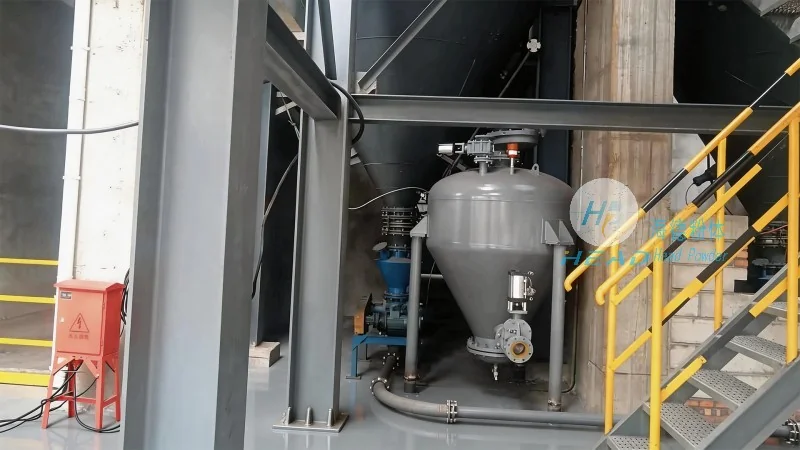
Working Scene Characteristics and Applications
Plastic pellet pneumatic conveying lines are widely used in various industrial applications, particularly in the plastic manufacturing and processing sectors. Their working scene characteristics make them suitable for environments where traditional gravity or mechanical conveyors may not be effective. For instance, in plastic recycling facilities, these systems can transport recycled pellets from collection bins to processing machines, maintaining a clean and controlled environment. In manufacturing plants, they are used to move pellets from storage to extrusion lines, ensuring a consistent supply of raw material. The flexibility of pneumatic conveying allows for the integration of multiple conveying lines, enabling the movement of materials between different production stages. Additionally, the enclosed nature of the system reduces dust emissions, making it suitable for applications where air quality is a concern. The ability to handle different types of plastic pellets, including those with varying sizes and shapes, further enhances the versatility of these systems in diverse industrial settings.
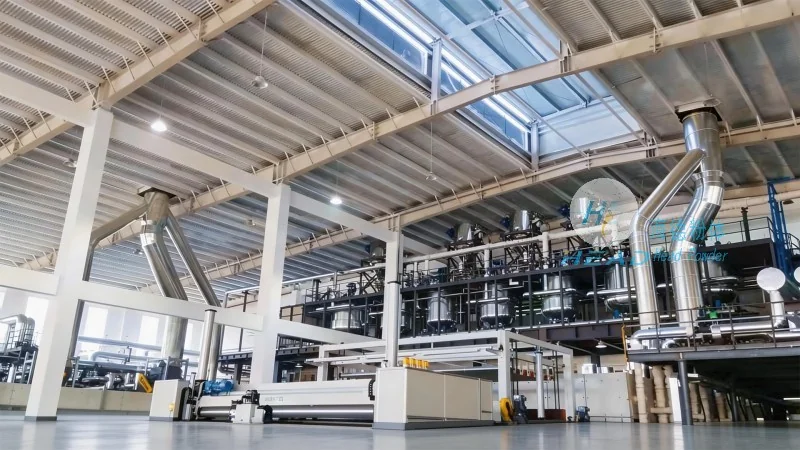
Advantages and Considerations in Industrial Use
There are several advantages to using plastic pellet pneumatic conveying lines in industrial applications. One of the primary benefits is the reduction in labor costs, as the system automates the material transport process, minimizing the need for manual handling. Additionally, the enclosed system prevents product contamination and dust dispersion, which is crucial for maintaining product quality and compliance with environmental regulations. The flexibility of the system allows for easy integration with existing production lines, and the ability to adjust the air flow and pressure ensures optimal performance under varying conditions. However, there are also considerations to keep in mind, such as the initial investment cost and the need for regular maintenance of the fan and other components. The system's efficiency may also be affected by the type and size of the plastic pellets, as larger or irregularly shaped particles may require higher air pressure to ensure proper transport. Despite these considerations, the overall benefits of pneumatic conveying make it a preferred choice for many industrial applications involving plastic pellet transport.
About Shandong HeadPowder Engineering Co., Ltd.
Shandong HeadPowder Engineering Co., Ltd., commonly known as headpowder, is a leading manufacturer and supplier of pneumatic conveying systems, including plastic pellet pneumatic conveying lines. With headquarters in Shandong, China, the company specializes in designing, manufacturing, and installing customized conveying solutions tailored to the specific needs of its clients. Headpowder's team of engineers and technicians utilizes advanced technology and materials to ensure the reliability and efficiency of their products. The company's commitment to quality and customer satisfaction has earned it a reputation as a trusted partner in the industrial conveying industry. By providing comprehensive solutions and technical support, headpowder helps businesses optimize their material handling processes, improve productivity, and reduce operational costs. Whether for new installations or system upgrades, headpowder offers expertise and innovation to meet the evolving demands of the plastic manufacturing sector.