

Working Principle and Features of Lithium Oxide Material Pneumatic Conveying Equipment
For industries dealing with lithium oxide, efficient material handling is crucial to maintain production efficiency and ensure product quality. Pneumatic conveying equipment offers a reliable solution for transporting lithium oxide, providing a dust-free, continuous, and flexible method of material transfer. This article explores the working principle and key features of such equipment, highlighting how it addresses the specific challenges associated with handling lithium oxide.
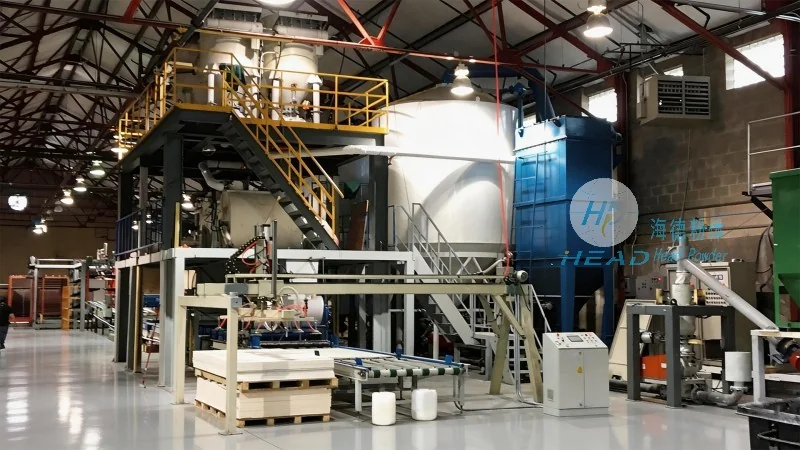
The Working Principle of Lithium Oxide Pneumatic Conveying Equipment
The core mechanism of lithium oxide pneumatic conveying systems involves the use of compressed air to move material through a pipeline. The process typically begins with the material being fed into a hopper or feeder, where it is then drawn into the conveying line by the air flow. As the air moves through the system, it creates a low-pressure zone that pulls the material along, ensuring a consistent flow rate. The equipment may utilize different types of conveying methods, such as dilute phase or dense phase, depending on the material characteristics and required transport distance. Dilute phase systems are suitable for shorter distances and lighter materials, while dense phase systems are preferred for longer distances or more abrasive materials like lithium oxide, as they provide better control over the material's velocity and reduce the risk of degradation.
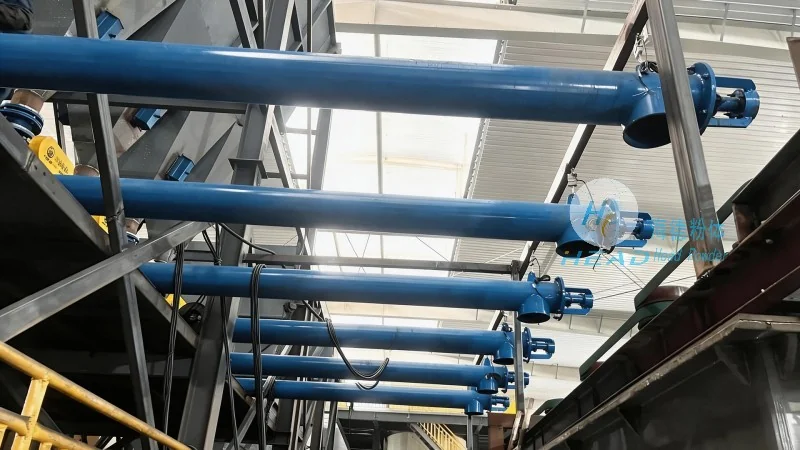
Key Features of Lithium Oxide Pneumatic Conveying Equipment
When selecting pneumatic conveying equipment for lithium oxide, several features are critical to ensure optimal performance and safety. First, the system must be designed to handle the specific properties of lithium oxide, including its particle size, density, and potential reactivity. Materials used in the construction of the equipment, such as stainless steel or corrosion-resistant alloys, are essential to prevent contamination and ensure durability. Another important feature is the ability to control the air flow and pressure, which directly impacts the material's transport efficiency and reduces the risk of blockages or clogging. Additionally, the equipment should incorporate features like automatic cleaning and maintenance systems to minimize downtime and maintain consistent performance. Safety features, including explosion-proof designs and dust suppression mechanisms, are also vital to protect both personnel and the environment from potential hazards associated with lithium oxide handling.
Company Profile: Shandong HeadPowder Engineering Co., Ltd.
HeadPowder, a leading manufacturer in the field of material handling equipment, specializes in designing and producing pneumatic conveying systems tailored to the needs of various industries, including those dealing with lithium oxide. With a strong focus on innovation and quality, the company has developed advanced solutions that address the unique challenges of handling sensitive materials like lithium oxide. HeadPowder's products are engineered to meet international standards and are backed by a team of experienced engineers and technicians who provide comprehensive support, from design and installation to maintenance and troubleshooting. The company's commitment to customer satisfaction and product excellence has made it a trusted partner for businesses seeking reliable and efficient material handling solutions.
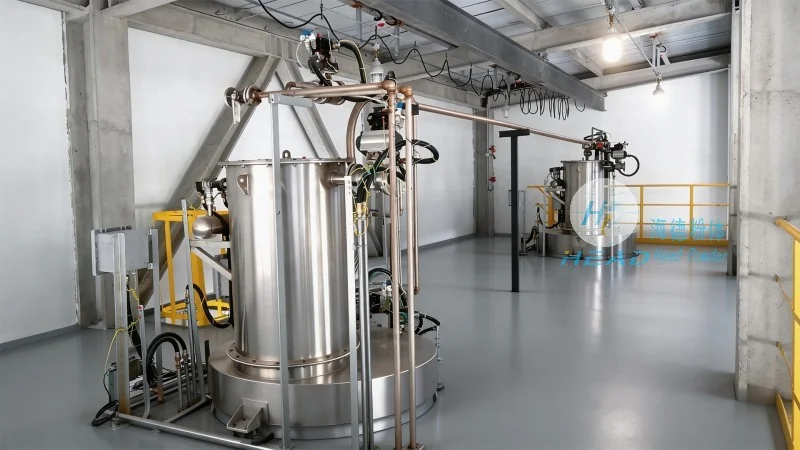
Address and Contact Information
HeadPowder is headquartered in Shandong, China, with a dedicated facility equipped with state-of-the-art manufacturing and testing capabilities. The company's address is located in Shandong, providing a strategic location for serving clients both domestically and internationally. By leveraging its expertise and local resources, HeadPowder ensures that its products are delivered efficiently and meet the highest quality standards. The company's focus on customer-centric solutions and continuous improvement has established it as a leading provider of pneumatic conveying equipment for lithium oxide and other industrial materials.