

Working Principle and Features of Ammonium Chloride Material Pneumatic Conveying Equipment
Shandong HeadPowder Engineering Co., Ltd., a leading manufacturer in the field, specializes in providing advanced pneumatic conveying solutions for various industrial applications, including the handling of ammonium chloride. This equipment is designed to efficiently transport bulk materials like ammonium chloride through an air-driven system, ensuring safe and reliable material transfer in industrial settings.
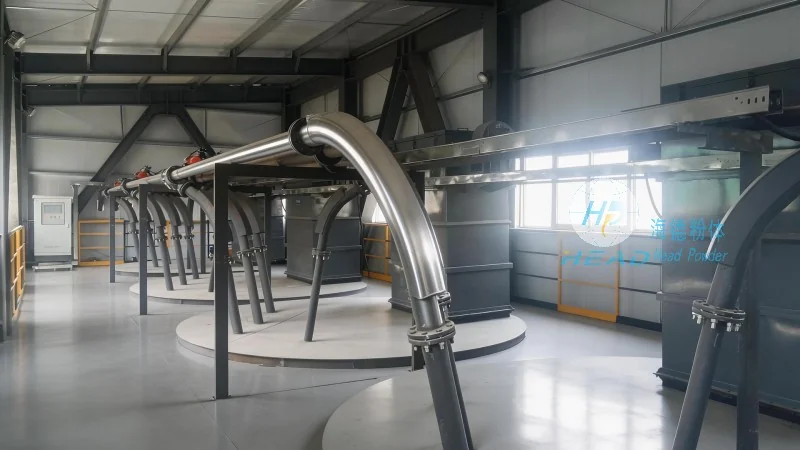
Working Principle of the Pneumatic Conveying System
The core of the ammonium chloride pneumatic conveying equipment operates on the principle of air pressure to move material. The system typically consists of a hopper, a rotary valve, a conveying line, and a receiver. When the material is fed into the hopper, it is drawn into the conveying line by a fan or blower that generates a negative pressure or positive pressure airflow. The air and material mixture travels through the pipeline, and the material is separated from the air at the receiver, where the air is discharged while the ammonium chloride is collected. This process ensures continuous and efficient material transport without the need for mechanical components like belts or buckets, reducing maintenance and operational costs.
Key Features of the Equipment
1. Efficient Material Handling: The system is capable of handling large volumes of ammonium chloride with high efficiency, maintaining consistent flow rates and minimizing material degradation. The design ensures that the material is transported without segregation or breakage, preserving its quality for downstream processes.
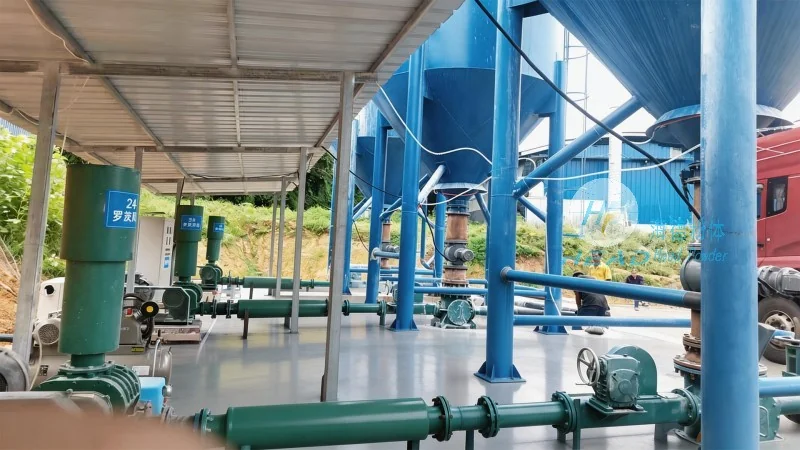
2. Low Maintenance Requirements: Unlike traditional mechanical conveyors, pneumatic systems have fewer moving parts, leading to lower maintenance needs and reduced downtime. The absence of direct contact between the material and the conveyor components also minimizes wear and tear, extending the equipment's service life.
3. Flexible Installation: The equipment can be installed in various configurations, including horizontal, vertical, or combined layouts, to suit different plant layouts and space constraints. This flexibility allows for seamless integration into existing production lines without major structural modifications.
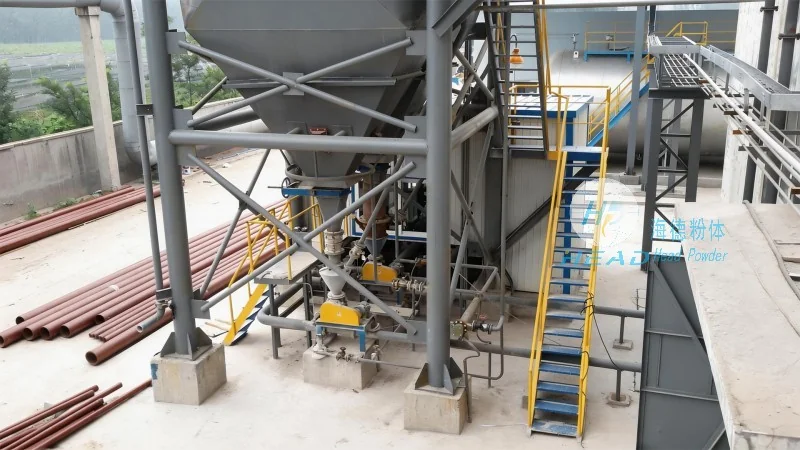
4. Environmental Safety: The system is designed with safety features to prevent dust emissions and ensure compliance with environmental regulations. The enclosed conveying lines and proper air filtration help maintain a clean working environment, reducing the risk of respiratory issues associated with handling ammonium chloride dust.
Applications and Benefits
The ammonium chloride pneumatic conveying equipment is widely used in industries such as chemical manufacturing, fertilizer production, and food processing. Its ability to handle abrasive and corrosive materials like ammonium chloride makes it an ideal choice for applications where reliability and efficiency are critical. The system's benefits include improved productivity, reduced labor costs, and enhanced safety in material handling operations.