

Working Principle and Features of Phosphate Iron Material Pneumatic Conveying Equipment
Phosphate iron, a critical material in modern industrial applications, requires efficient and reliable handling solutions to ensure smooth production processes. The pneumatic conveying equipment designed for phosphate iron material offers a sophisticated approach to material transport, combining advanced technology with robust engineering to meet the demands of various industrial sectors. This article explores the working principle and key features of such equipment, highlighting its benefits and applications in material handling.
The Working Principle of Phosphate Iron Pneumatic Conveying Equipment
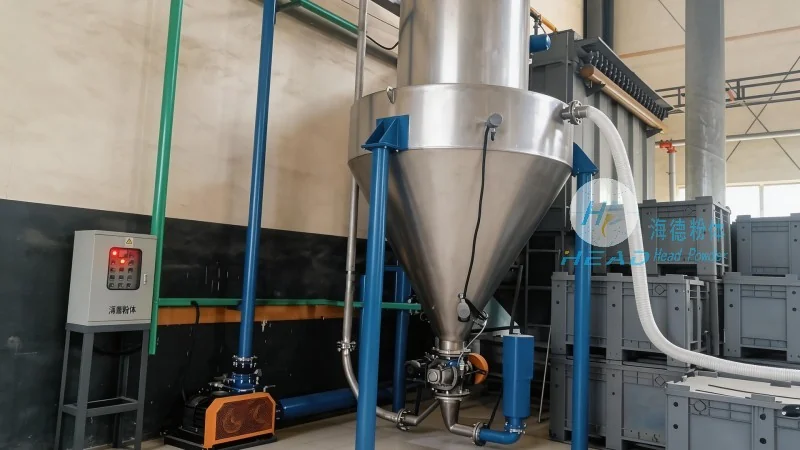
The core mechanism of phosphate iron pneumatic conveying equipment involves the use of air or gas to transport solid particles through a pipeline system. The process typically operates on the principle of creating a pressure differential or using vacuum to draw the material from the source and propel it to the destination. The equipment comprises several key components, including a hopper for material storage, a feeder to control the flow rate, a conveying line (usually made of stainless steel or other corrosion-resistant materials to handle the chemical properties of phosphate iron), and a receiver for the discharged material. The system may operate in either positive pressure (pressure conveying) or negative pressure (vacuum conveying) modes, depending on the specific requirements of the application. In pressure conveying, compressed air is introduced into the conveying line, pushing the material forward. In vacuum conveying, a vacuum is created at the receiver end, drawing the material through the line. The choice between these modes depends on factors such as the distance of transport, the particle size and density of the phosphate iron, and the need to minimize dust generation. The feeder, often a rotary valve or a screw feeder, ensures a consistent and controlled flow of material into the conveying line, preventing blockages and maintaining system efficiency. The conveying line is designed with appropriate bends and fittings to minimize pressure loss and ensure smooth material movement. The receiver, equipped with a dust collection system, collects the conveyed material and may include features like a discharge valve to control the release of the material. The entire system is controlled by a programmable logic controller (PLC) or a similar control unit, which monitors pressure, flow rate, and other parameters to optimize performance and prevent operational issues.
Key Features of Phosphate Iron Pneumatic Conveying Equipment
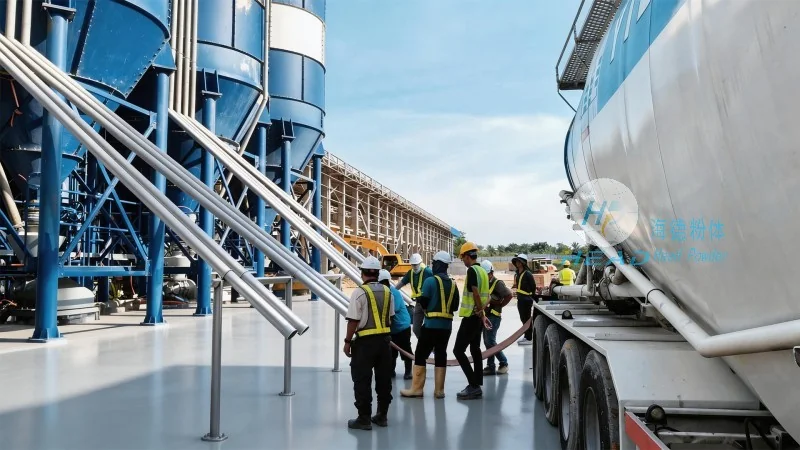
Phosphate iron pneumatic conveying equipment is characterized by several distinct features that enhance its performance and suitability for industrial applications. One of the primary features is its ability to handle abrasive and corrosive materials, such as phosphate iron, without causing wear or damage to the equipment components. The use of high-quality, corrosion-resistant materials, such as stainless steel or special alloys, ensures long service life and minimal maintenance. Another significant feature is the system's efficiency in minimizing dust generation and controlling particle size distribution. The design of the hopper and feeder, along with the use of appropriate air flow rates, helps to reduce dust emissions, making the equipment suitable for applications where air quality is a concern. The equipment also offers flexibility in terms of transport distance and layout, as it can be configured to handle both short and long-distance conveying with minimal modifications. The modular design allows for easy integration into existing production lines and facilitates maintenance and repairs. Additionally, the system's energy efficiency is a notable feature, as it uses compressed air or vacuum to transport material with lower energy consumption compared to traditional mechanical conveying methods. The control system provides real-time monitoring and adjustment capabilities, enabling operators to optimize the conveying process and reduce downtime. The equipment is also designed to meet safety standards, with features like pressure relief valves and emergency shut-off mechanisms to prevent accidents and ensure safe operation. The ability to handle a wide range of particle sizes and flow rates makes the equipment versatile and adaptable to various production requirements. The system's reliability is further enhanced by its low maintenance requirements and the availability of spare parts, ensuring consistent performance over extended periods.
Applications and Benefits in Industrial Settings
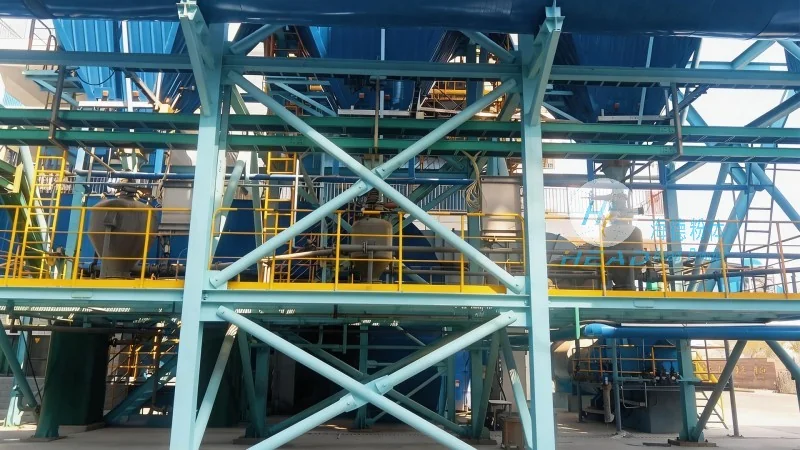
The phosphate iron pneumatic conveying equipment is widely used in various industrial sectors, including chemical manufacturing, mining, and food processing. In chemical manufacturing, it is used to transport phosphate iron powders and granules for the production of fertilizers, detergents, and other chemical products. The equipment's ability to handle abrasive materials and maintain product purity makes it ideal for these applications. In the mining industry, it is used to transport phosphate ore from mining sites to processing facilities, where the ore is crushed and processed into phosphate iron products. The equipment's efficiency in long-distance transport and its resistance to corrosion make it suitable for handling the harsh conditions of mining operations. In food processing, the equipment is used to transport phosphate iron-based additives, such as phosphates, which are used as food additives in various products. The equipment's ability to maintain product quality and minimize contamination is crucial in food processing applications. The benefits of using phosphate iron pneumatic conveying equipment include improved production efficiency, reduced labor costs, and enhanced safety. The system's ability to handle large volumes of material with minimal human intervention reduces the need for manual handling, which can be hazardous and time-consuming. The equipment also reduces the risk of material spillage and contamination, improving product quality and meeting regulatory requirements. Additionally, the system's energy efficiency helps to lower operational costs, making it a cost-effective solution for industrial material handling. The reliability of the equipment ensures consistent performance, minimizing downtime and maximizing production output. The modular design allows for easy expansion and adaptation to changing production needs, providing long-term value to the user.