

Working Principle and Characteristics of Pneumatic Conveying for Seaweed Residue Pellet Materials
HeadPowder, a leading provider in the field of material handling solutions, specializes in advanced pneumatic conveying systems designed for efficient transport of various bulk materials. This article focuses on the working principle and key characteristics of pneumatic conveying systems specifically tailored for seaweed residue pellet materials. By understanding these aspects, industries involved in processing and managing seaweed waste can optimize their material handling processes, enhance operational efficiency, and reduce costs.
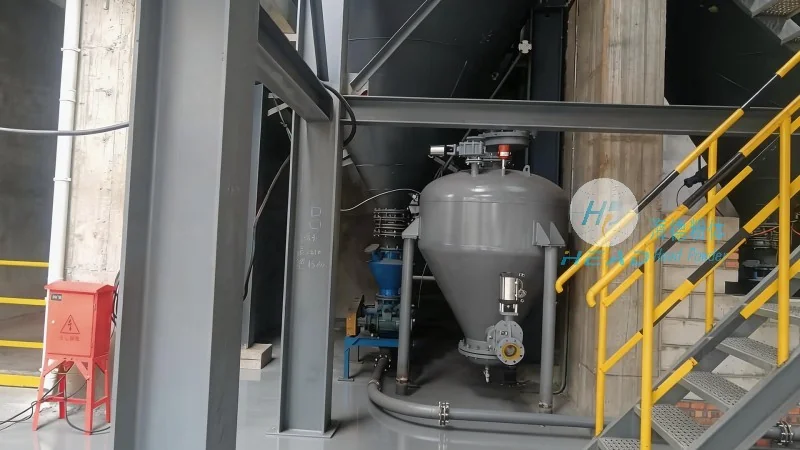
Understanding Pneumatic Conveying Systems
Pneumatic conveying, also known as air conveying, is a method of transporting bulk materials through a pipeline using a flow of pressurized or vacuum air. The system typically consists of a material feed hopper, a conveyor line (often with bends and fittings), and a discharge point. The core of the system is the air flow, which can be generated by positive pressure (blowers or compressors) or negative pressure (vacuum pumps). For seaweed residue pellets, which are often lightweight and may have varying particle sizes, the choice of conveying method—whether dense phase or dilute phase—plays a crucial role in ensuring stable and efficient transport.
Working Principle of Pneumatic Conveying for Seaweed Residue Pellets
The working principle of pneumatic conveying for seaweed residue pellets involves several key steps. First, the pellets are fed into the system from a storage hopper or silo. The material is then introduced into the conveying line, where it is mixed with the air stream. Depending on the system design, the pellets may be transported in a dense phase (where the material is carried in a plug or slurry form) or a dilute phase (where the material is suspended in the air). In dense phase conveying, the air velocity is lower, allowing for a higher material concentration, which is beneficial for handling abrasive or sensitive materials like seaweed residue. The air flow then propels the pellets through the pipeline, overcoming friction and gravitational forces. At the discharge end, the air and material are separated, with the pellets collected in a receiving bin or storage area. The air, now filtered to remove dust and particles, is either recirculated or vented to the atmosphere.
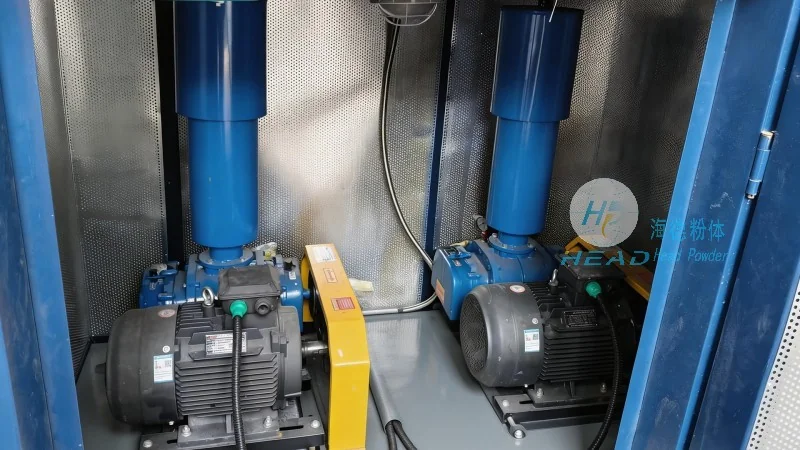
Key Characteristics of Pneumatic Conveying for Seaweed Residue Pellets
Several distinct characteristics define the performance of pneumatic conveying systems for seaweed residue pellets. Firstly, the system offers a fully enclosed transport process, which minimizes dust emissions and protects the material from contamination or environmental exposure. This is particularly important for seaweed residue, which may contain moisture and organic compounds that could degrade if exposed to air or contaminants. Secondly, the flexibility of pneumatic conveying allows for horizontal, vertical, or mixed (inclined) transport routes, enabling the integration of the system into existing production lines or facilities without major structural modifications. The ability to handle long distances and multiple transfer points makes it suitable for large-scale operations, such as those found in seaweed processing plants. Thirdly, the system provides high material throughput with minimal maintenance requirements. Unlike mechanical conveyors, which may suffer from wear and tear due to abrasive particles, pneumatic systems use smooth pipelines and air-driven mechanisms, reducing the need for frequent repairs and increasing operational uptime. Additionally, the system can be easily scaled up or down to accommodate varying production volumes, making it adaptable to changing operational needs.
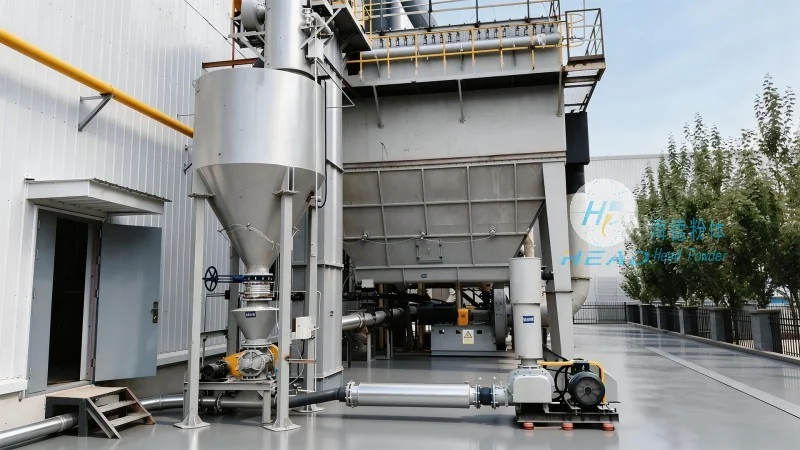
Benefits and Applications in Seaweed Processing
The application of pneumatic conveying systems for seaweed residue pellets offers numerous benefits to the processing industry. By efficiently transporting the material from storage to processing units or disposal sites, the system reduces labor costs associated with manual handling and improves workplace safety by eliminating the need for workers to handle heavy or dusty materials. The enclosed nature of the system also contributes to a cleaner working environment, reducing the risk of respiratory issues or other health hazards related to exposure to seaweed residue dust. Furthermore, the ability to maintain consistent material flow rates and temperatures helps in maintaining the quality of the seaweed residue, which is crucial for downstream processes such as composting or biofuel production. In large-scale seaweed processing facilities, the integration of pneumatic conveying systems can significantly enhance overall operational efficiency, leading to higher productivity and reduced operational costs.
Conclusion
HeadPowder Engineering Co., Ltd., based in Shandong, China, specializes in the design, manufacturing, and installation of advanced pneumatic conveying systems tailored to the unique requirements of seaweed residue pellet materials. By leveraging the principles of pneumatic conveying, these systems provide efficient, safe, and cost-effective solutions for material handling in seaweed processing operations. The enclosed transport, flexibility in route design, and high throughput capabilities make pneumatic conveying an ideal choice for industries seeking to optimize their material handling processes while maintaining environmental and operational standards. As the demand for sustainable waste management and efficient resource utilization grows, the application of such advanced systems will continue to play a vital role in the development of the seaweed processing industry.