

Working Principle and Characteristics of Pneumatic Conveying for Polyethylene Powder Materials
HeadPowder, a leading provider of material handling solutions, specializes in the design and implementation of pneumatic conveying systems for polyethylene powder. This article explores the fundamental working principle and key characteristics of such systems, providing insights into their operational efficiency and practical applications.
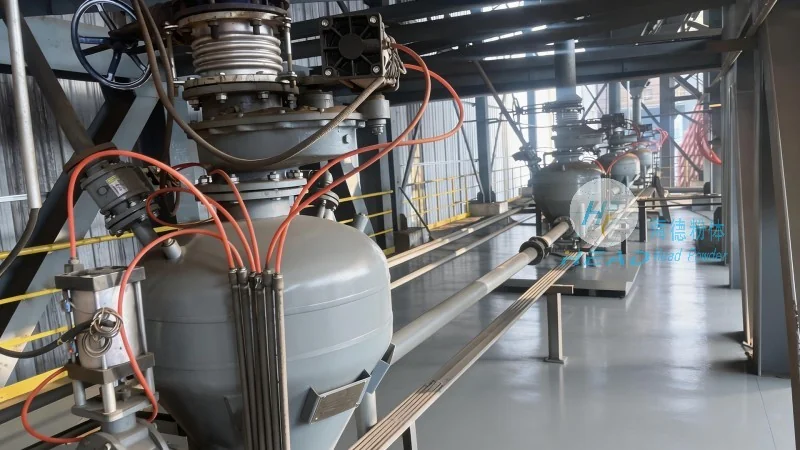
Introduction to Pneumatic Conveying of Polyethylene Powder
Pneumatic conveying is a widely adopted method for transporting bulk materials like polyethylene powder through a network of pipes using air or other gases as the conveying medium. Unlike mechanical systems that rely on belts or screws, pneumatic conveyors offer a flexible and efficient solution for handling fine powders, ensuring minimal product degradation and contamination. HeadPowder, with its expertise in material flow engineering, has developed advanced systems tailored to the unique properties of polyethylene powder, optimizing both performance and reliability.
Working Principle of Pneumatic Conveying for Polyethylene Powder
The core working principle of a pneumatic conveying system for polyethylene powder involves the creation of a pressure differential or vacuum within the conveying line. Air is introduced into the system, either by a blower or a vacuum pump, which generates the necessary force to move the powder particles through the pipeline. The process typically involves several stages: material feeding, air-powder mixing, acceleration, and deceleration at the discharge point. For polyethylene powder, which is often hygroscopic and prone to agglomeration, the system design must account for particle size, density, and flow characteristics to ensure smooth and consistent transport. HeadPowder's engineers utilize advanced fluid dynamics models to simulate the behavior of polyethylene powder in the conveying line, ensuring optimal air-to-powder ratios and pressure settings.
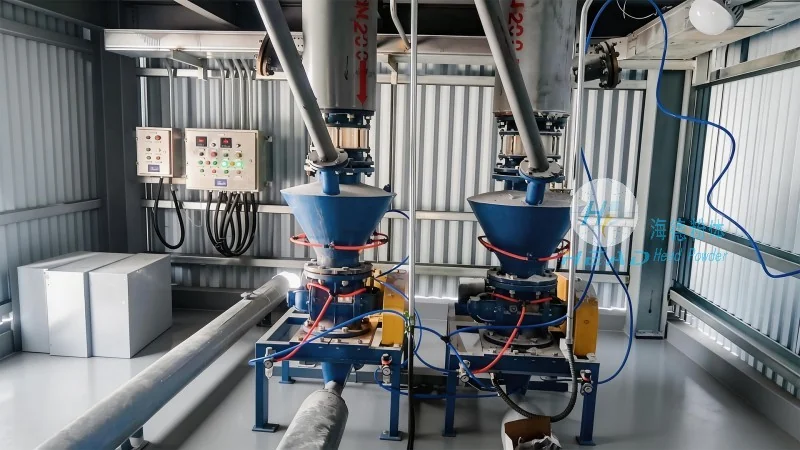
Key Characteristics of Pneumatic Conveying Systems for Polyethylene Powder
Pneumatic conveying systems for polyethylene powder exhibit several distinct characteristics that make them advantageous in industrial applications. Firstly, they provide a closed-loop operation, which minimizes dust emissions and maintains a clean working environment, crucial for polyethylene powder handling where contamination control is paramount. Secondly, these systems offer high transport efficiency, with the ability to move large volumes of powder over considerable distances with minimal energy consumption. HeadPowder's systems are engineered to achieve high conveying velocities while maintaining low pressure drops, reducing operational costs and extending equipment lifespan. Additionally, pneumatic conveyors are highly flexible, allowing for changes in material flow direction and integration with existing processing lines without major modifications. The systems also support gentle handling of polyethylene powder, preventing particle breakage or degradation that could affect material quality and downstream processing.
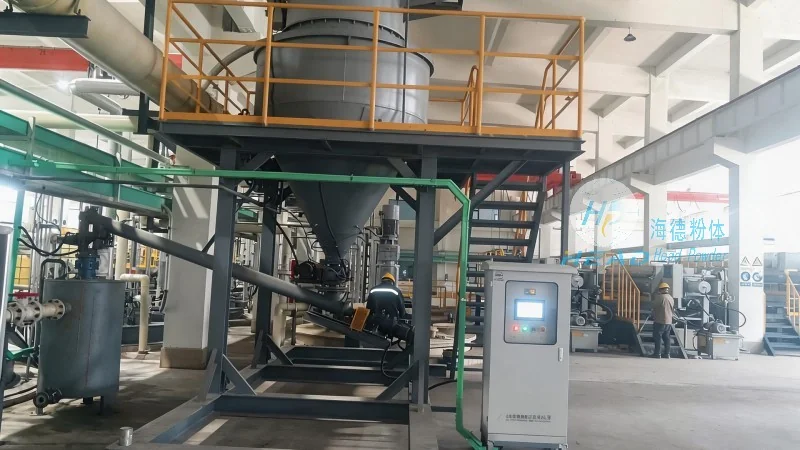
Application Scenarios and Benefits
Pneumatic conveying systems for polyethylene powder are widely used in various industrial sectors, including plastic manufacturing, chemical processing, and food processing. In plastic manufacturing, these systems efficiently transport raw polyethylene powder from storage silos to extrusion lines, ensuring a continuous and controlled feed. The benefits in such applications include improved production throughput, reduced downtime due to material handling issues, and enhanced product quality through consistent powder flow. In chemical processing, pneumatic conveyors are employed to transport polyethylene powder between reactors and storage tanks, maintaining a sterile and controlled environment. The closed-loop design of HeadPowder's systems minimizes the risk of cross-contamination, which is critical in pharmaceutical and food industries where polyethylene powder may be used as an additive or filler. Furthermore, the flexibility of these systems allows for easy integration with automated production lines, supporting Industry 4.0 principles and enhancing overall operational efficiency.
Technical Considerations and System Design
Designing an effective pneumatic conveying system for polyethylene powder requires careful consideration of several technical factors. The first is the selection of the appropriate conveying method, either pressure or vacuum, based on the distance and material characteristics. For short distances and moderate volumes, pressure systems are preferred, while vacuum systems are suitable for longer distances or when handling fine powders that require gentle transport. HeadPowder's engineers evaluate factors such as particle size distribution, bulk density, and moisture content to determine the optimal conveying method. The second consideration is the choice of pipe materials, which must be compatible with polyethylene powder and resistant to corrosion or abrasion. Stainless steel and high-density polyethylene are commonly used in HeadPowder's systems, ensuring durability and preventing material contamination. The third factor is the air handling equipment, including blowers or vacuum pumps, which must be sized to provide sufficient air volume and pressure to overcome friction losses in the pipeline. HeadPowder utilizes high-efficiency blowers with variable speed drives to optimize energy consumption and adapt to varying material flow rates. Finally, the system design incorporates features such as in-line filters and cyclone separators to remove entrained air and separate any oversized particles, ensuring a clean and consistent powder discharge. These technical considerations, combined with HeadPowder's expertise, result in robust and reliable pneumatic conveying systems that meet the demanding requirements of polyethylene powder handling.