

Working Principle and Characteristics of Pneumatic Conveying for Carbon Black and Coal Powder Materi
HeadPowder, a leading engineering firm based in Shandong, China, specializes in the design and implementation of advanced material handling systems. The company's expertise lies in pneumatic conveying technologies, particularly for carbon black and coal powder materials, which are critical in various industrial applications. This article delves into the working principle and key characteristics of pneumatic conveying systems tailored for these specific materials.
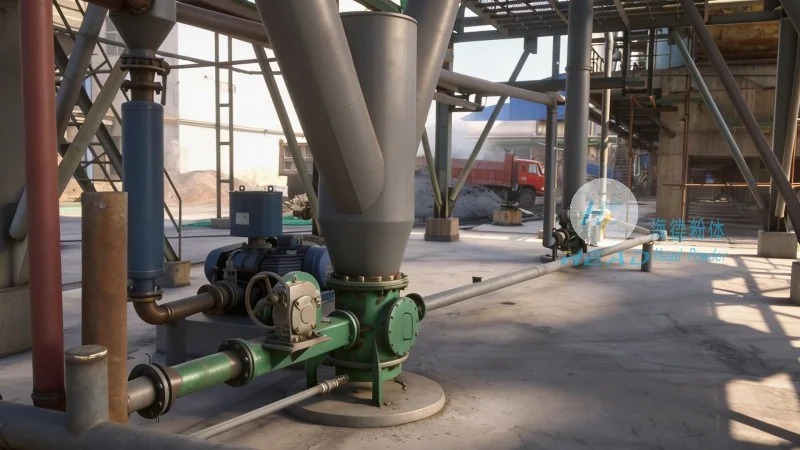
Working Principle of Pneumatic Conveying for Carbon Black and Coal Powder
Pneumatic conveying, also known as air conveying, is a method of transporting bulk materials through a pipeline using air or gas as the conveying medium. The process typically involves a few key components: a material feed hopper, a conveyor line (often a pipeline), a blower or air compressor to generate the airflow, and a discharge point. For carbon black and coal powder, the system operates by first loading the material into the hopper. The blower then creates a high-pressure air stream that draws the powder particles into the pipeline. As the air flows through the pipeline, it carries the particles along, ensuring efficient transport from the source to the destination. The velocity of the air is carefully controlled to maintain the material in a suspended state, preventing clogging and ensuring smooth flow. At the discharge point, the air is often separated from the material, either through a cyclone separator or a filter, allowing the carbon black or coal powder to be collected in a storage or processing unit. This process is highly efficient for handling fine powders like carbon black and coal, which are prone to dust and require controlled movement to avoid environmental contamination and operational issues.

Key Characteristics of Pneumatic Conveying Systems for Carbon Black and Coal Powder
The pneumatic conveying systems designed for carbon black and coal powder materials exhibit several distinct characteristics that make them suitable for industrial use. Firstly, these systems are designed to handle fine, abrasive powders, which can be challenging for traditional mechanical conveyors. The air-based transport minimizes material degradation and reduces wear on equipment components, extending the lifespan of the system. Secondly, the systems are highly flexible in terms of layout and installation. They can be configured to follow complex routes, including vertical and horizontal sections, without the need for extensive mechanical parts, making them adaptable to various plant layouts. Thirdly, pneumatic conveying offers excellent dust control. By containing the material within a sealed pipeline, the system prevents dust emissions, which is crucial for maintaining environmental compliance and worker safety. Additionally, the systems provide a high degree of control over material flow, allowing for precise dosing and regulation of the powder delivery rate. This is particularly important in processes where consistent material quality and quantity are critical, such as in the production of carbon black-based products or coal-based fuels. The efficiency of the system is also notable, as it can transport materials over long distances with minimal energy loss compared to other conveying methods. Finally, the systems are relatively easy to maintain and clean, as the sealed pipeline design reduces the risk of material buildup and contamination, simplifying routine maintenance tasks.
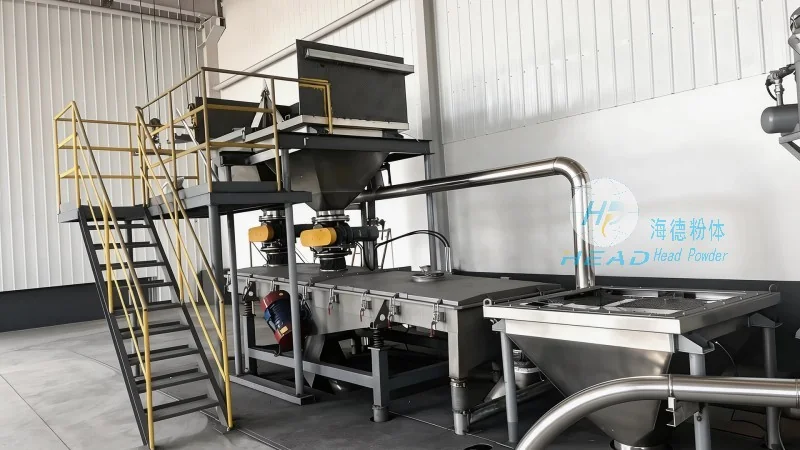
Technical Advantages and Application Value
For industries dealing with carbon black and coal powder, the adoption of pneumatic conveying systems from HeadPowder offers significant technical advantages and application value. The company's expertise in material handling ensures that the systems are optimized for the specific properties of these powders, such as their density, particle size, and flow characteristics. This optimization leads to improved operational efficiency, reduced downtime, and lower maintenance costs. The systems also contribute to enhanced safety in the workplace by minimizing dust exposure and providing a controlled environment for material handling. Furthermore, the flexibility of the systems allows for integration with existing production lines, enabling seamless upgrades or modifications without major disruptions. In summary, pneumatic conveying for carbon black and coal powder is a reliable and efficient solution that addresses the unique challenges of handling fine, abrasive materials, while providing long-term benefits in terms of performance, safety, and cost-effectiveness.