

Working Principle and Characteristics of Air-Driven Transport for Barite Powder Materials
HeadPowder, a leading manufacturer based in Shandong, China, specializes in advanced material handling solutions, particularly air-driven transport systems for barite powder. This article explores the working principle and key characteristics of such systems, providing a comprehensive overview for professionals in the mining, chemical, and construction industries.
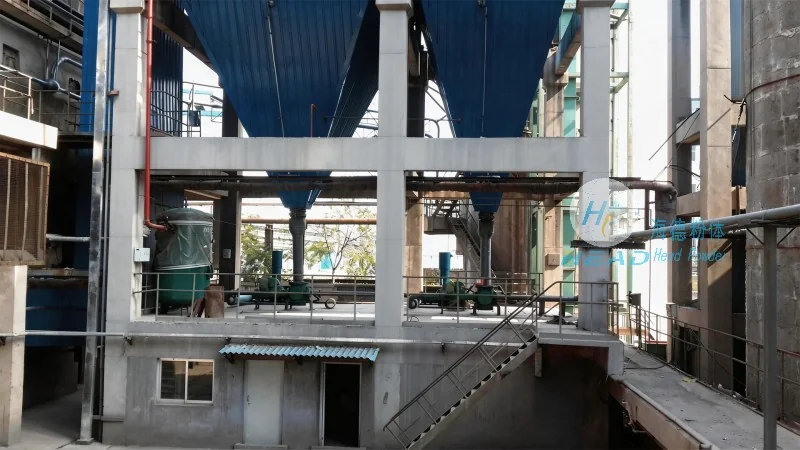
Barite powder, a heavy mineral commonly used as a weighting agent in drilling fluids and as a filler in various industrial applications, requires efficient and reliable transport methods to maintain product quality and operational efficiency. Air-driven transport, also known as pneumatic conveying, offers a versatile solution for moving barite powder from storage to processing or packaging areas without the need for mechanical components like belts or buckets.
Working Principle of Air-Driven Transport for Barite Powder
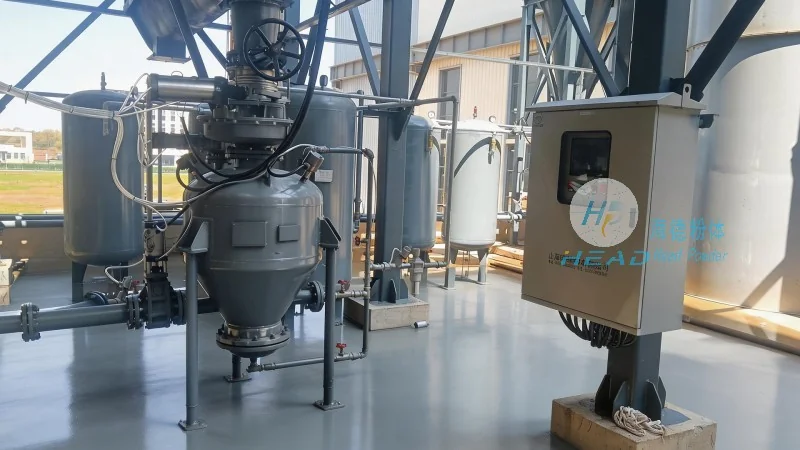
The core of air-driven transport systems lies in the use of compressed air or gas to create a flow that propels barite powder particles through a pipeline. The process typically involves several key components: a hopper or feeder to introduce the powder, a venturi or pressure vessel to generate the necessary airflow, and a receiver or discharge unit to collect the material at the destination. The working principle can be broken down into two main categories: pressure and suction systems.
In pressure systems, compressed air is introduced at the inlet of the pipeline, creating a high-pressure environment that forces the barite powder to move forward. This method is ideal for short to medium-distance transport and is commonly used when the material is stored in a silo or hopper near the processing plant. The air pressure is carefully controlled to prevent excessive wear on the pipeline and to maintain the integrity of the barite powder particles, which are sensitive to abrasion and fragmentation.
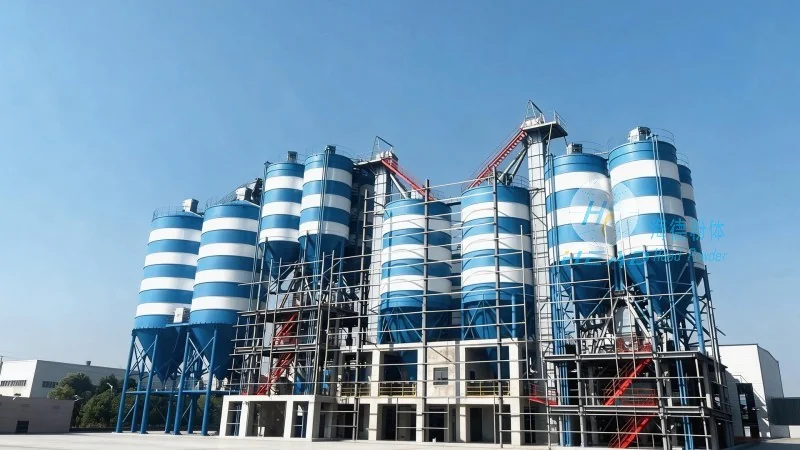
In suction systems, a vacuum is created at the discharge end of the pipeline, drawing the barite powder from the source. This approach is suitable for longer distances and when the material is located in a remote storage area. The suction system relies on a fan or blower to maintain the vacuum, and the flow rate is adjusted based on the particle size and density of the barite powder to ensure smooth transport without clogging or blockages.
Key Characteristics of Barite Powder Air-Driven Transport
Several distinct characteristics define the performance of air-driven transport systems for barite powder, making them a preferred choice in many industrial applications. One of the primary advantages is the ability to handle fine, abrasive particles without the need for mechanical conveyors, which can cause wear and maintenance issues. The pneumatic system also offers a high degree of flexibility, as the pipeline can be easily reconfigured or extended to accommodate changes in production volume or facility layout.
Another critical characteristic is the environmental friendliness of air-driven transport. Unlike mechanical systems that may generate dust or require regular cleaning, pneumatic conveying minimizes particle loss and reduces the risk of contamination. This is particularly important for barite powder, which is often used in applications where purity is essential, such as in oil drilling or pharmaceutical manufacturing. The system also helps to maintain a clean working environment, reducing the need for dust control measures and improving overall workplace safety.
Efficiency and reliability are also key characteristics of barite powder air-driven transport. The systems are designed to operate continuously with minimal downtime, as there are no moving parts that can break or require frequent maintenance. The flow rate can be precisely controlled using air pressure or vacuum settings, allowing for consistent delivery of barite powder to the processing line. This consistency is crucial for maintaining the quality of the final product, as variations in powder flow can affect the performance of drilling fluids or other end-use applications.
Technical Advantages and Applications
HeadPowder's air-driven transport systems for barite powder offer several technical advantages that enhance operational performance and cost-effectiveness. One of the main benefits is the reduction in labor costs associated with manual handling and loading. By automating the transport process, the company helps clients streamline their operations and improve productivity. The systems also reduce energy consumption compared to traditional mechanical conveyors, as the air flow is optimized to minimize energy use while maintaining the required transport speed.
The applications of barite powder air-driven transport are diverse and widespread. In the oil and gas industry, the material is used as a weighting agent to increase the density of drilling fluids, allowing for deeper and more stable wells. The efficient transport of barite powder ensures that the drilling process is uninterrupted, reducing the risk of delays and increasing the overall efficiency of the operation. In the chemical industry, barite powder is used as a filler in paints, plastics, and rubber products, and the air-driven system helps to maintain the uniformity of the powder in these applications. Additionally, in the construction industry, barite powder is used as a component in concrete and mortar, and the reliable transport system ensures that the material is delivered to the construction site in a timely manner.
Conclusion and Company Overview
As a leading provider of material handling solutions, HeadPowder continues to innovate in the design and implementation of air-driven transport systems for barite powder. The company's expertise in pneumatic conveying technology, combined with its commitment to quality and customer satisfaction, makes it a trusted partner for businesses seeking to optimize their material transport processes. By understanding the working principle and characteristics of these systems, industry professionals can make informed decisions about the most suitable transport method for their barite powder applications, ultimately improving operational efficiency and product quality.