

Working Principle and Characteristics of Pneumatic Conveying for Potato Materials
For industries dealing with potato processing, efficient material handling is crucial. Pneumatic conveying systems offer a reliable solution for transporting potato materials, and understanding their working principles and characteristics is essential for optimizing operations. This article explores the fundamental aspects of pneumatic conveying for potato materials, highlighting how such systems enhance productivity and operational efficiency.

Understanding Pneumatic Conveying Systems
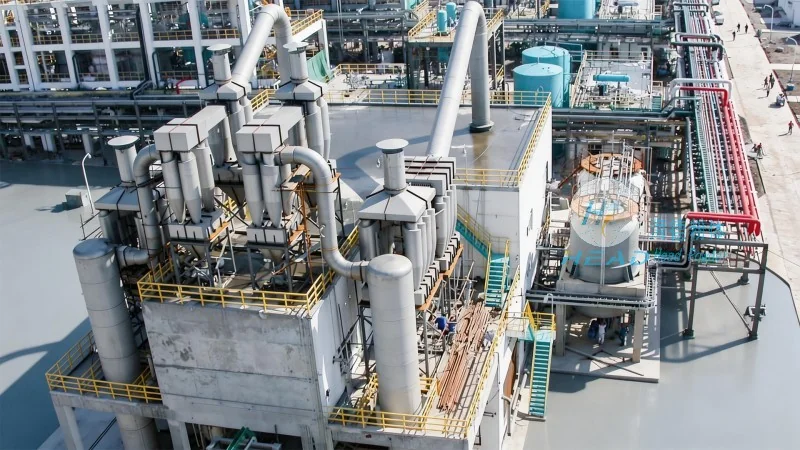
Pneumatic conveying for potato materials operates by using air or gas to transport bulk materials through a pipeline. The system typically consists of a source of air (often a blower or compressor), a hopper to store the potato material, and a conveying line that transports the material to its destination. The process involves creating a pressure differential that moves the material along the pipeline. There are two main types of pneumatic conveying: pressure and vacuum systems. Pressure systems use compressed air to push the material, while vacuum systems use a vacuum to pull the material. The choice between these systems depends on factors such as the distance to be covered, the material's characteristics, and the required flow rate.
Key Working Principles of Pneumatic Conveying for Potato Materials
The core working principle of pneumatic conveying for potato materials is the use of air to move the material. The system works by introducing air into the material in the hopper, which causes the material to become fluidized. This fluidized state allows the material to be transported through the pipeline. The air velocity in the pipeline must be sufficient to keep the material suspended and moving. If the air velocity is too low, the material will settle and clog the pipeline. Conversely, if the air velocity is too high, the material may be damaged or the system may become inefficient. The design of the conveying system, including the size of the hopper, the diameter of the pipeline, and the length of the line, is critical to achieving optimal performance. Proper maintenance of the system, such as cleaning the filters and checking the air pressure, is also essential to ensure consistent operation.
Characteristics of Pneumatic Conveying for Potato Materials
Pneumatic conveying systems for potato materials have several key characteristics that make them suitable for this application. One of the main advantages is that they are a closed system, which helps to prevent dust and contamination. This is particularly important for potato processing, where hygiene is a top priority. Another advantage is that they can transport materials over long distances without the need for multiple transfer points. This reduces the risk of material loss and contamination. Pneumatic conveying systems are also relatively easy to install and maintain. They can be integrated into existing processing lines with minimal disruption. However, they do require a constant supply of air, which can increase energy costs. Additionally, the system may be susceptible to clogging if the material contains large particles or moisture.
Applications and Benefits in Potato Processing
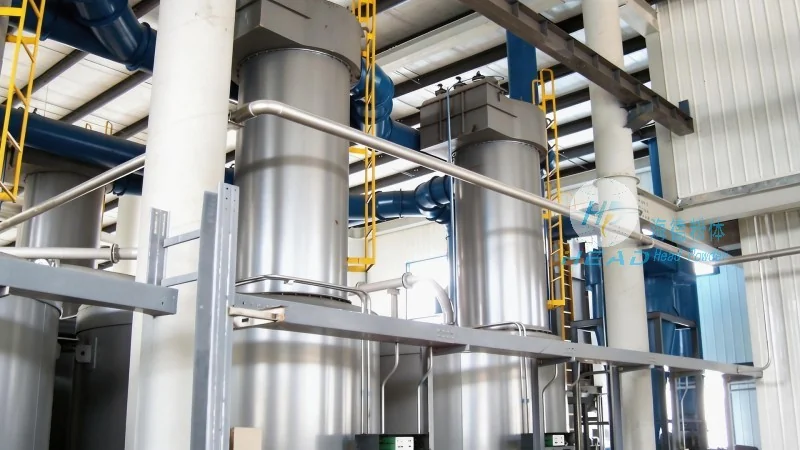
Pneumatic conveying systems are widely used in potato processing for various applications. They are commonly used to transport raw potatoes from storage to processing facilities, to move processed products such as chips or fries from one stage to another, and to transport waste materials. The benefits of using pneumatic conveying in potato processing include increased efficiency, reduced labor costs, and improved product quality. The closed system helps to maintain the quality of the potatoes by preventing exposure to air and moisture. This is particularly important for products that are sensitive to oxidation or moisture. Pneumatic conveying also reduces the risk of cross-contamination between different products, which is a common concern in food processing.
Conclusion and Company Information
Pneumatic conveying is an effective and efficient method for transporting potato materials. By understanding the working principles and characteristics of such systems, processors can optimize their operations and improve their bottom line. Shandong HeadPowder Engineering Co., Ltd. specializes in the design and manufacturing of pneumatic conveying systems for various industries, including potato processing. With years of experience and a commitment to quality, HeadPowder provides reliable and efficient solutions for material handling needs. Located in Shandong, China, HeadPowder serves clients worldwide with customized systems that meet their specific requirements. Whether you are a small-scale processor or a large industrial facility, HeadPowder can provide the right pneumatic conveying system to enhance your productivity and operational efficiency.