

Working Principle and Features of Fly Ash Silo Powder Pneumatic Conveying System
HeadPowder, a leading engineering company based in Shandong, China, specializes in the design and implementation of advanced powder handling systems. The fly ash silo powder pneumatic conveying system is a critical component in industrial processes that require efficient and reliable transportation of fly ash from storage silos to processing or disposal locations. This system integrates a silo for fly ash storage with a pneumatic conveying mechanism to ensure seamless material transfer.
Working Principle of the System
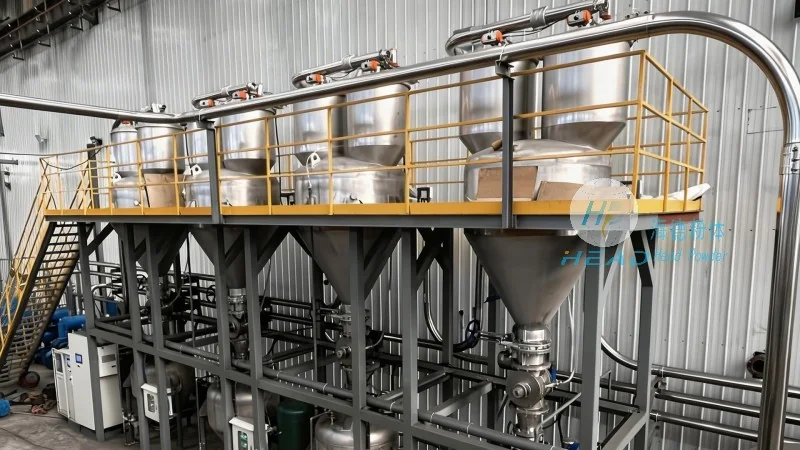
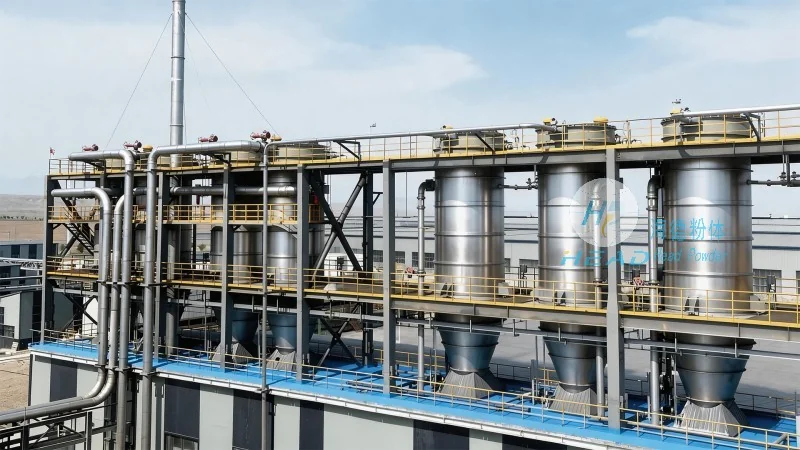
The working principle of the fly ash silo powder pneumatic conveying system is based on the fundamental physics of fluidized and pneumatic transport. The system operates by creating a pressure differential between the silo and the discharge point. Initially, the fly ash is stored in the silo under a slight positive pressure, which is maintained by a blower or air compressor. When the conveying process is initiated, the blower increases the pressure in the pipeline, causing the air to flow through the material. The air acts as a carrier, lifting and moving the fly ash particles along the pipeline. The velocity of the air is carefully controlled to ensure that the particles remain suspended and do not settle prematurely. The system uses a series of elbows, bends, and filters to direct the flow and remove any entrained dust or debris. The discharge point is equipped with a receiver or hopper that collects the fly ash, completing the transport cycle. The entire process is automated, with sensors and control panels monitoring pressure, flow rate, and other critical parameters to maintain consistent performance.
Key Features of the System
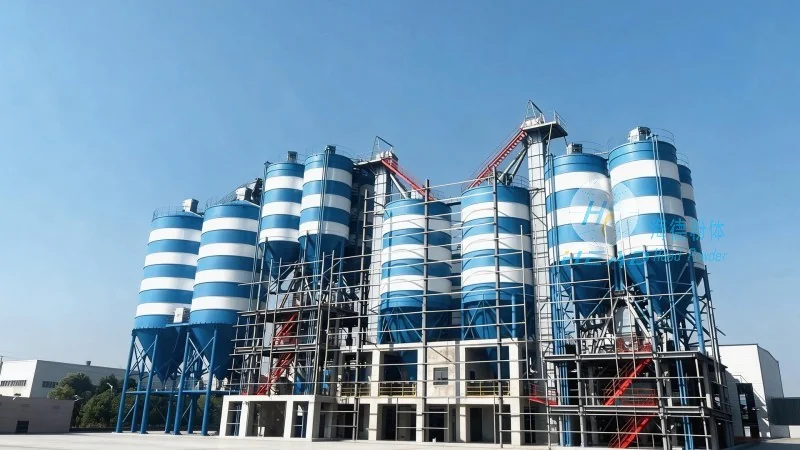
Several key features distinguish the fly ash silo powder pneumatic conveying system from traditional conveying methods. The first is its high efficiency in material handling, which is achieved through optimized air flow and particle size management. The system is designed to handle fly ash with varying moisture content and particle sizes, ensuring consistent performance regardless of the material's characteristics. The second feature is its robust construction, which is built to withstand the harsh conditions associated with fly ash, including high temperatures and abrasive particles. The components are made from corrosion-resistant materials, such as stainless steel and special alloys, to extend the system's lifespan and reduce maintenance costs. The third feature is its advanced control system, which integrates sensors and digital controls to provide real-time data on the conveying process. This allows operators to monitor the system's performance and make adjustments as needed, improving overall operational reliability. Additionally, the system is designed for easy maintenance, with accessible components and modular design that facilitate quick repairs and replacements. The dust control features are also a significant advantage, as they help to comply with environmental regulations and maintain a safe working environment.
Application and Benefits
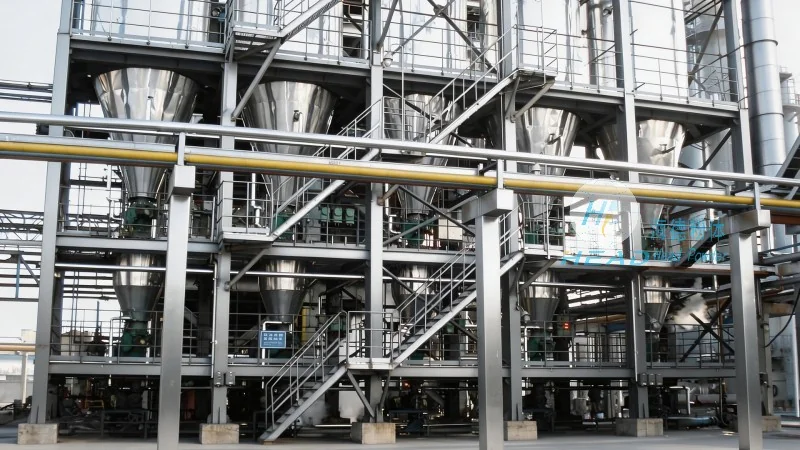
The fly ash silo powder pneumatic conveying system is a critical component in the management of fly ash, a byproduct of coal combustion in power plants. Its primary application is in the transportation of fly ash from storage silos to utilization sites, such as cement kilns or landfills. The system's benefits extend beyond just efficient material handling; it also contributes to operational cost savings and environmental compliance. By automating the conveying process, the system reduces the need for manual labor, which can be hazardous due to the presence of dust and other airborne particles. This not only improves worker safety but also lowers labor costs. The system also helps to minimize the environmental impact of fly ash disposal by ensuring that the material is properly contained and transported, reducing the risk of contamination of soil and water sources. Furthermore, the system enhances the overall efficiency of the industrial process by reducing downtime caused by material handling delays. The ability to convey fly ash over long distances without the need for intermediate storage or transfer points makes the system particularly suitable for large-scale industrial operations.