

Working Principle and Features of PP Powder Pneumatic Conveying Systems
PP (Polypropylene) powder is a widely used thermoplastic material in various industrial applications, including packaging, automotive parts, and construction materials. The efficient and reliable transportation of PP powder from storage to processing equipment is crucial for maintaining production efficiency and product quality. Pneumatic conveying systems offer an effective solution for handling PP powder, providing a dust-free, low-maintenance, and flexible method of material transport. This article explores the working principle and key features of PP powder pneumatic conveying systems, highlighting their benefits and the role of specialized engineering companies like Shandong HeadPowder Engineering Co., Ltd. in designing and implementing such systems.
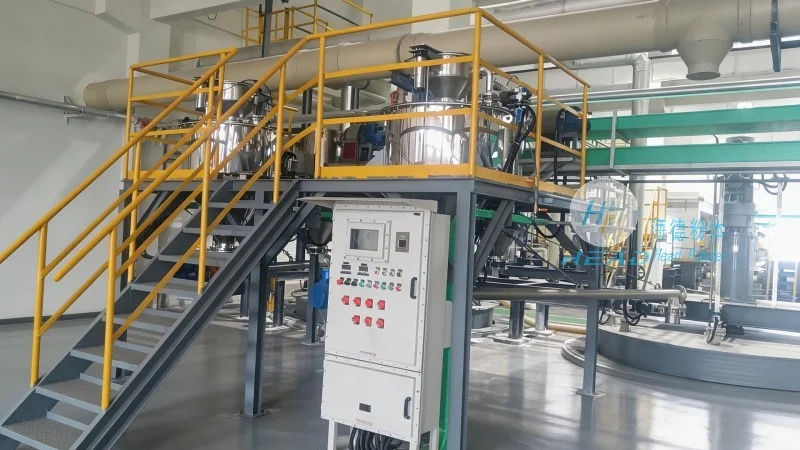
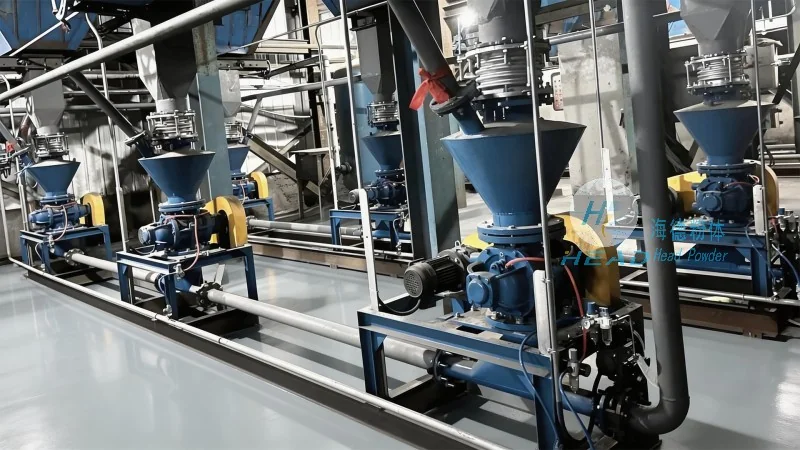
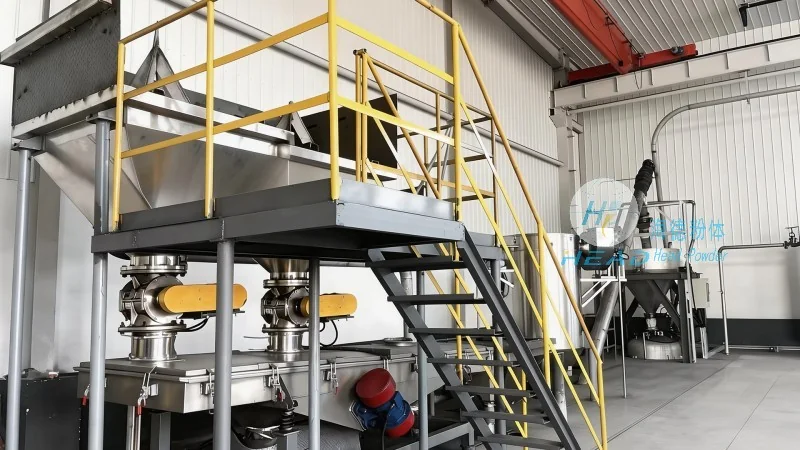
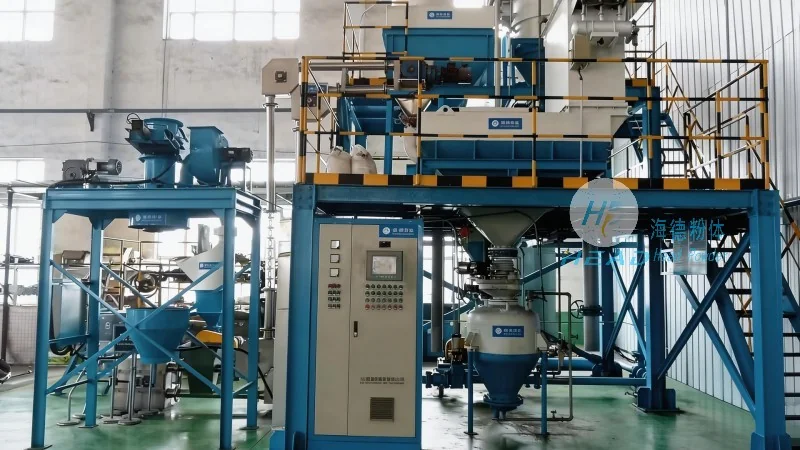
The Working Principle of PP Powder Pneumatic Conveying Systems
PP powder pneumatic conveying systems operate on the principle of using air or gas to transport particulate materials through a pipeline. The system typically consists of several key components, including a feeder, a conveying line, a separation unit, and a receiver. The working process involves the following steps: First, the PP powder is fed into the system through a feeder, which may be a rotary valve or a screw feeder, ensuring a consistent and controlled flow of material. Next, the feeder introduces the powder into the conveying line, where it is mixed with air or gas under pressure. The air-powder mixture is then propelled through the pipeline to the destination, such as a silo, mixer, or processing machine. At the receiving end, a separation unit, often a cyclone or a bag filter, separates the powder from the air stream, allowing the powder to be collected in a container while the air is discharged or recirculated. The entire process is driven by a blower or a compressor, which provides the necessary pressure and airflow to move the powder through the system. The choice between positive pressure (blower) and negative pressure (vacuum) systems depends on factors like the distance, material characteristics, and environmental requirements. For PP powder, which is non-abrasive and has a relatively low density, positive pressure systems are commonly preferred due to their simplicity and efficiency. The positive pressure system ensures that the entire pipeline is under pressure, preventing dust leakage and minimizing the risk of material degradation. The blower, usually a centrifugal or rotary lobe type, generates the required airflow and pressure, with the capacity and pressure rating tailored to the specific application. The conveying line is typically made of stainless steel or other corrosion-resistant materials to withstand the abrasive nature of PP powder and the effects of air pressure. The diameter and length of the pipeline are designed based on the material flow rate, particle size, and system pressure, ensuring optimal performance and minimal pressure drop. The separation unit is critical for recovering the powder and maintaining air quality. Cyclones use centrifugal force to separate particles from the air stream, while bag filters provide a more efficient separation with high collection efficiency. The collected powder is then transferred to the next processing stage, completing the conveying cycle.
Key Features and Benefits of PP Powder Pneumatic Conveying Systems
PP powder pneumatic conveying systems offer several advantages that make them an attractive choice for industrial applications. One of the primary benefits is the ability to transport powder in a dust-free environment, which is essential for maintaining product quality and worker safety. Unlike mechanical conveying methods, such as screw conveyors or belt conveyors, pneumatic systems do not generate dust or cause material contamination, ensuring that the PP powder remains clean and free from impurities. This is particularly important for applications where the powder will be used in food packaging, medical devices, or other sensitive products. Another key feature is the flexibility and scalability of the system. Pneumatic conveying systems can be easily expanded or modified to accommodate changes in production volume or material handling requirements. The modular design allows for the addition of new components, such as extra conveying lines or separation units, without disrupting the entire system. This flexibility is especially valuable in industries where production needs fluctuate or where new products are introduced. The systems also offer high efficiency and low maintenance costs. The absence of moving parts in the conveying line reduces wear and tear, leading to lower maintenance requirements and longer equipment life. The use of air as the conveying medium eliminates the need for mechanical components like bearings or gears, which are prone to failure in high-abrasion environments. Additionally, the system can be equipped with automatic controls, such as pressure sensors and flow meters, to monitor and adjust the operation in real-time, ensuring optimal performance and preventing system failures. This automation not only improves efficiency but also reduces labor costs and enhances safety by minimizing human intervention. Environmental considerations are another significant feature of pneumatic conveying systems. The closed-loop design, where the air is recirculated or filtered before discharge, reduces the environmental impact by minimizing dust emissions and air pollution. This is particularly important for companies operating in regions with strict environmental regulations. The system also contributes to energy efficiency by using the air pressure effectively and minimizing energy losses in the pipeline. The combination of these features makes PP powder pneumatic conveying systems a sustainable and cost-effective solution for material handling. Furthermore, the systems are designed to handle a wide range of PP powder characteristics, including different particle sizes, moisture content, and bulk densities. The ability to adapt to various powder types ensures that the system can be used in diverse applications, from small-scale laboratory operations to large-scale industrial production. The system's performance is also influenced by the material's flow properties, such as angle of repose and cohesion, which affect the powder's ability to flow and be conveyed. Proper system design, including the selection of feeder type and pipeline dimensions, is crucial to ensure smooth operation and prevent blockages or pressure buildup. The role of specialized engineering companies like Shandong HeadPowder Engineering Co., Ltd. is vital in optimizing these design parameters to meet the specific needs of each application. These companies provide comprehensive services, from system design and engineering to installation and maintenance, ensuring that the PP powder pneumatic conveying system operates at its best. By leveraging their expertise in material handling and pneumatic technology, companies can achieve efficient, reliable, and cost-effective powder transport solutions that enhance their overall production processes.