

Working Principle and Features of Maltose Pneumatic Conveying Systems
Maltose, a disaccharide composed of two glucose units, is widely used in the food, pharmaceutical, and chemical industries. Efficient and reliable material handling is crucial for the production processes involving maltose. Pneumatic conveying systems offer a solution to transport maltose and other bulk materials with precision and minimal contamination. This article explores the working principle and key features of maltose pneumatic conveying systems, highlighting their benefits and applications.
Working Principle of Maltose Pneumatic Conveying Systems
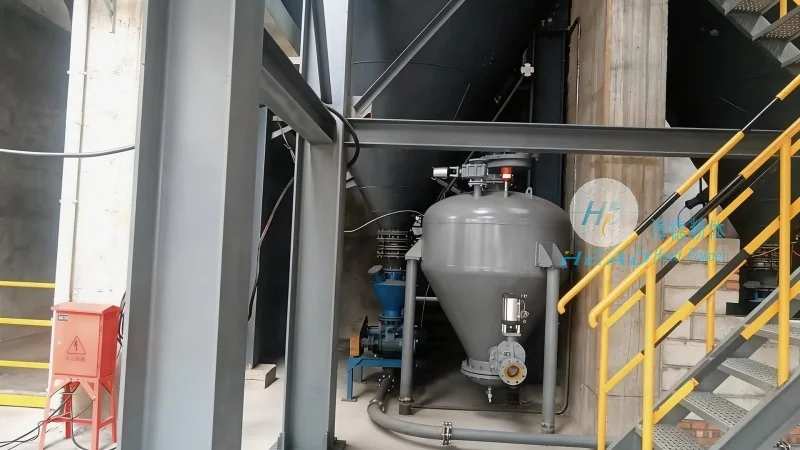
The core of a maltose pneumatic conveying system is the ability to transport solid particles, in this case maltose, using compressed air. The system operates by creating a pressure differential between the inlet and outlet of the conveying line. Compressed air is introduced into the system, which then draws the maltose particles into the pipeline. The air flow carries the maltose through the system, ensuring uniform distribution and minimal product degradation. The process typically involves several components, including a hopper for material storage, a rotary valve or feeder to control the flow rate, a conveying line with appropriate diameter and length, and a receiver or discharge point for the material.
Key components of the system include the air compressor, which provides the necessary pressure, and the control system that regulates the air flow and material feed. The conveying line may be made of stainless steel or other corrosion-resistant materials to maintain the purity of the maltose. The system can operate in either positive or negative pressure modes, depending on the specific requirements of the application. Positive pressure systems push the material through the line using compressed air, while negative pressure systems create a vacuum to draw the material in.
Key Features of Maltose Pneumatic Conveying Systems
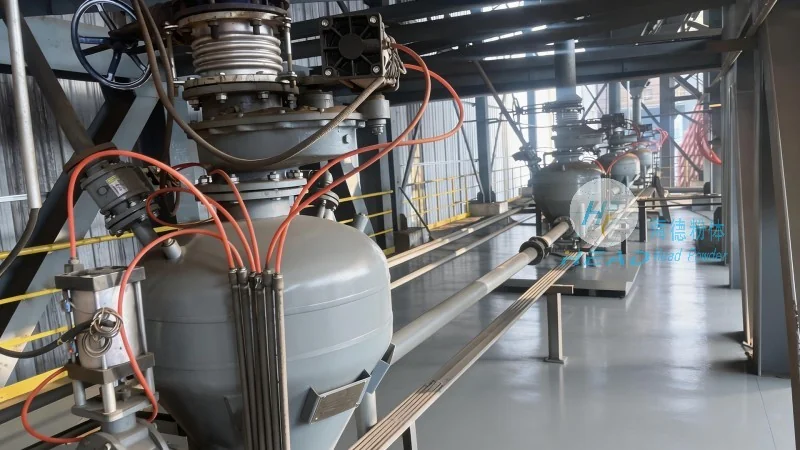
Efficiency and reliability are paramount in maltose processing, and pneumatic conveying systems offer several advantages. One of the primary features is the ability to handle fine powders without clogging or blockages, which is critical for maltose due to its granular nature. The system minimizes product contamination by using sealed pipelines and controlled air flow, ensuring that the maltose remains free from external particles or moisture. Another key feature is the flexibility in system design, allowing for customization based on the production scale and layout of the facility. This adaptability makes the system suitable for both small-scale and large-scale operations.
Energy efficiency is another notable feature of modern maltose pneumatic conveying systems. Advanced control technologies optimize air usage, reducing operational costs while maintaining performance. The systems also offer easy maintenance, with accessible components that can be serviced without extensive downtime. Additionally, the systems are designed to comply with industry standards for food safety and hygiene, making them suitable for applications where product purity is non-negotiable.
Applications and Benefits in Maltose Production
Maltose pneumatic conveying systems are widely used in various stages of maltose production, from raw material handling to final product packaging. In the initial stages, the system efficiently transports maltose from storage silos to processing units, ensuring a continuous supply of raw material. During the processing phase, the system can handle maltose in different forms, such as granules or powders, without altering its quality. The system's ability to maintain low temperatures during transport is particularly beneficial for heat-sensitive maltose products, preventing degradation and preserving flavor.
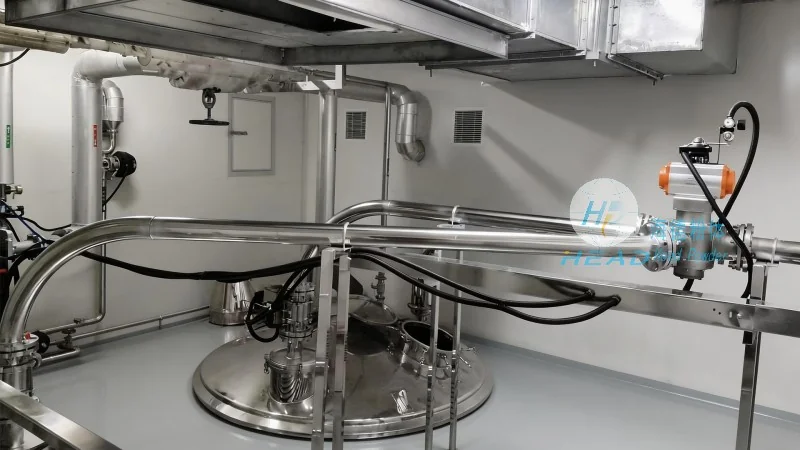
The benefits of using pneumatic conveying systems extend beyond material handling. The systems reduce labor costs by automating the transport process, minimizing the need for manual handling and associated risks. They also improve safety in the workplace by eliminating the need for workers to handle bulk materials directly, reducing the risk of dust exposure and accidents. Furthermore, the systems enhance production throughput by providing a continuous and consistent flow of maltose, which is essential for maintaining production schedules and meeting customer demand.
Conclusion and Company Overview
Maltose pneumatic conveying systems are a vital component in modern maltose production, offering efficient, reliable, and hygienic material handling solutions. The working principle, which relies on compressed air to transport maltose particles, ensures minimal product degradation and contamination. Key features such as flexibility, energy efficiency, and ease of maintenance make these systems suitable for a wide range of applications. As a leading provider in the industry, Shandong HeadPowder Engineering Co., Ltd. specializes in designing and manufacturing customized pneumatic conveying systems tailored to the specific needs of maltose producers. With a focus on quality and innovation, the company ensures that its systems meet the highest standards of performance and safety, supporting the efficient operation of maltose production facilities in China and beyond.