

What is a flocculant dry powder pneumatic conveyor? What is its design principle?
For industrial operations that involve the handling of flocculant dry powders, the selection of an efficient and reliable material handling system is crucial. This article explores the concept of a flocculant dry powder pneumatic conveyor, delving into its design principles and how it addresses the unique challenges associated with transporting such materials.
Understanding the Flocculant Dry Powder Pneumatic Conveyor
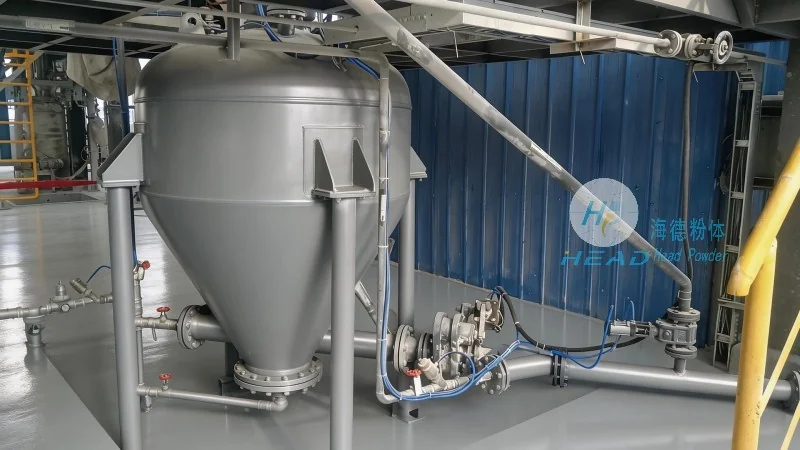
A flocculant dry powder pneumatic conveyor is a specialized piece of equipment designed to transport dry powders, particularly those used in flocculation processes, through a pneumatic system. Flocculants are chemical agents that promote the clumping or aggregation of particles in a liquid or solid suspension, and their dry forms require careful handling to maintain their integrity and effectiveness. The pneumatic conveyor system utilizes air pressure to move these powders from one location to another, offering a dust-free, low-maintenance solution compared to traditional mechanical conveyors.
Key Design Principles of the Conveyor
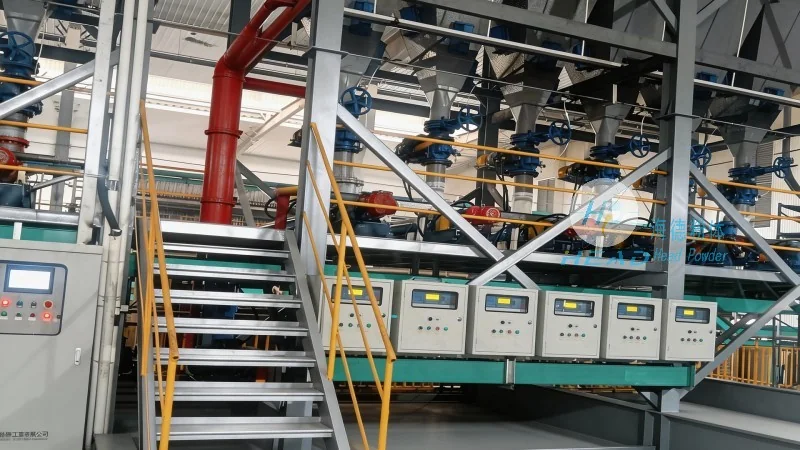
The design of a flocculant dry powder pneumatic conveyor is centered on several critical principles to ensure optimal performance and material handling. First, the system must maintain a consistent air flow and pressure to prevent material segregation or caking. This is achieved through the use of high-quality air filtration and pressure regulation components. Second, the conveyor’s design minimizes the risk of material degradation or contamination. This includes the use of corrosion-resistant materials for the air pipes and hopper, as well as sealed connections to prevent dust leakage. Third, the system is engineered for easy cleaning and maintenance, which is essential for handling flocculants that may adhere to surfaces. The modular design allows for quick disassembly and reassembly, reducing downtime during cleaning cycles.
Components and Operational Mechanism
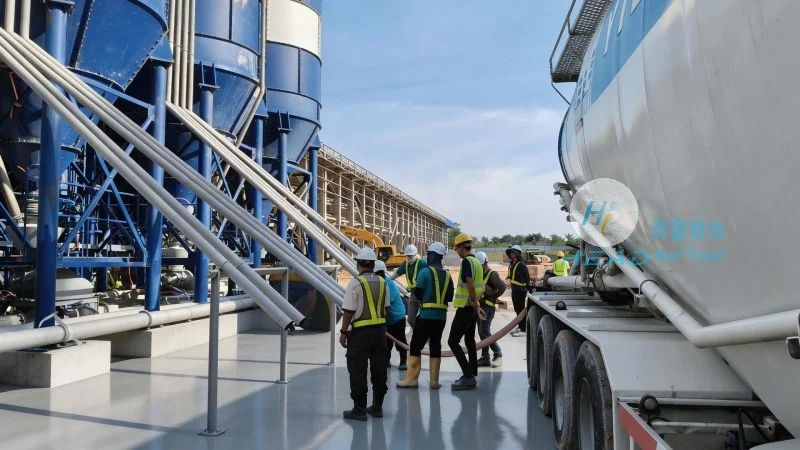
The flocculant dry powder pneumatic conveyor typically consists of several key components, each playing a vital role in the overall operation. The primary components include a hopper for material storage, an air supply system (usually a blower or compressor), a conveying line (air ducts), and a discharge outlet. The hopper is designed with a sloped bottom to facilitate material flow and prevent bridging or caking, which can occur with flocculant powders due to their cohesive properties. The air supply system generates the necessary pressure to move the powder through the ducts. As the air flows through the conveying line, it entrains the dry powder particles, carrying them to the discharge point. The design of the air ducts, including the use of bends and elbows, is optimized to minimize pressure loss and maintain consistent air velocity, ensuring efficient material transport.
Advantages and Applications
Implementing a flocculant dry powder pneumatic conveyor offers numerous advantages for industrial applications. One of the most significant benefits is the ability to handle powders in a dust-free environment, which enhances workplace safety and reduces the risk of product contamination. The system also provides a compact and flexible solution, as the air ducts can be easily reconfigured to adapt to changing production layouts. Additionally, the low maintenance requirements and long service life of the equipment make it a cost-effective choice for continuous operation. These conveyors are widely used in industries such as water treatment, chemical manufacturing, and mining, where flocculants are essential for processing and treatment processes.
Customization and Integration with Industrial Systems
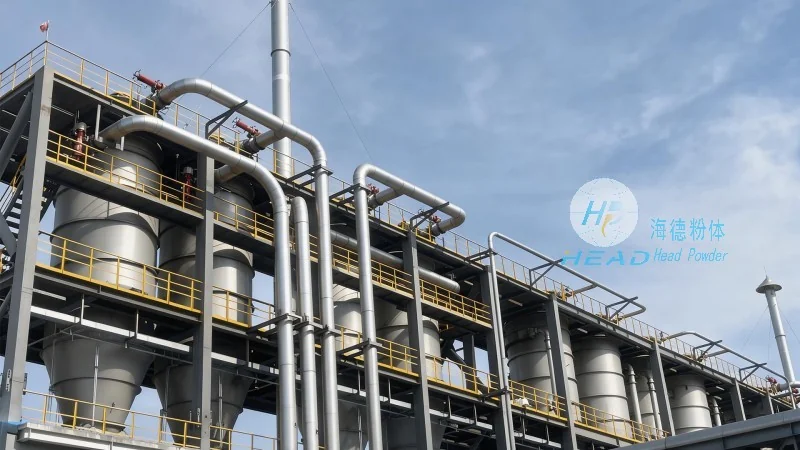
Shandong HeadPowder Engineering Co., Ltd., a leading manufacturer based in China, specializes in designing and manufacturing flocculant dry powder pneumatic conveyors tailored to specific industrial needs. The company’s engineers work closely with clients to understand their unique material handling challenges and design solutions that maximize efficiency and reliability. Customization options include varying the size of the hopper, adjusting the air pressure and flow rates, and integrating the conveyor with existing production lines. The company’s commitment to quality and innovation ensures that their products meet the highest standards of performance and durability.