

Silicate Powder Pneumatic Conveying Equipment: What It Is and Its Design Principles
For industrial applications involving the handling of silicate powders, efficient and reliable material transport is crucial. This is where silicate powder pneumatic conveying equipment comes into play, offering a solution that combines technology with practical design to ensure smooth material flow. Understanding what this equipment is and its underlying design principles is essential for those seeking to optimize their material handling processes.

Understanding Silicate Powder Pneumatic Conveying Equipment
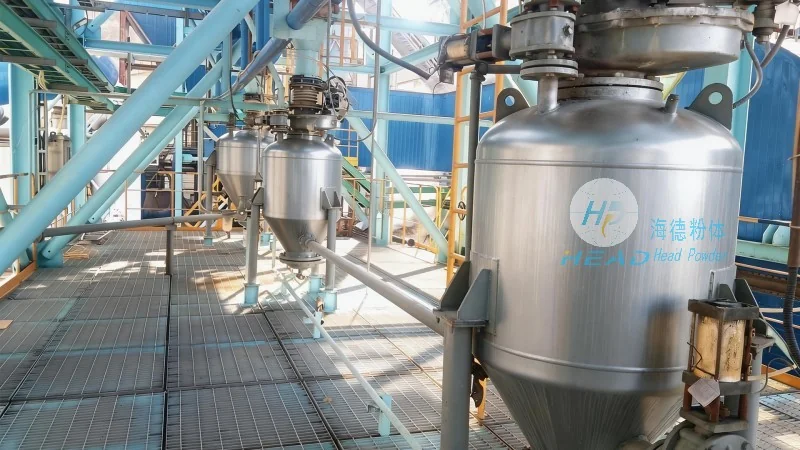
Silicate powder pneumatic conveying equipment is a specialized system designed to transport silicate powders—such as those derived from minerals like quartz, feldspar, or kaolin—through a pneumatic system using air or gas as the conveying medium. Unlike traditional mechanical conveyors, this equipment relies on the force of compressed air to move the powder particles, making it particularly suitable for materials that are fine, dusty, or prone to caking. The system typically consists of a hopper for material storage, a conveying line, and a receiver for the delivered material, all connected by a network of pipes and valves.
The Design Principles of Silicate Powder Pneumatic Conveying Equipment
The design of silicate powder pneumatic conveying equipment is based on several key principles that ensure efficient and safe operation. The primary principle is the use of differential pressure to move the powder through the system. By creating a pressure difference between the hopper and the receiver, the equipment can draw the powder into the conveying line and propel it to its destination. This is achieved through a combination of positive pressure and negative pressure (or a combination of both, known as mixed flow systems) depending on the specific application and material characteristics.
Another critical design principle is the selection of appropriate air velocities and pipe diameters. The air velocity must be high enough to overcome the resistance of the powder particles and prevent them from settling or clogging the pipes, but not so high as to cause excessive wear on the equipment or generate too much dust. The pipe diameter is also carefully chosen to balance the flow rate with the pressure drop, ensuring that the system operates efficiently without excessive energy consumption.
Material compatibility is another key consideration in the design. Since silicate powders can be abrasive or corrosive, the equipment components—such as the hopper, conveying lines, and valves—are typically made from materials like stainless steel, polyethylene, or specialized alloys that can withstand the chemical and mechanical stresses of the material. This ensures long-term durability and minimal maintenance.
HeadPowder: A Leader in Silicate Powder Pneumatic Conveying Solutions
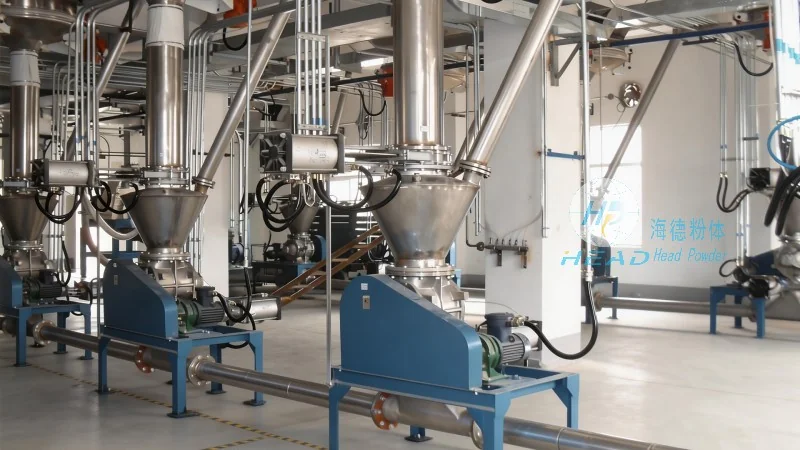
Shandong HeadPowder Engineering Co., Ltd., a prominent manufacturer based in China, specializes in the design, manufacturing, and supply of silicate powder pneumatic conveying equipment. With years of experience in the industry, HeadPowder has developed a range of products tailored to meet the diverse needs of clients in various sectors, including ceramics, glass, and chemical manufacturing. The company’s commitment to quality and innovation has made it a trusted partner for businesses seeking reliable material handling solutions.
Conclusion: The Importance of Proper Design and Implementation
Silicate powder pneumatic conveying equipment is a vital component in modern industrial processes, offering a efficient and safe way to transport fine powders. The design principles behind these systems—such as differential pressure, optimized air velocities, and material compatibility—are crucial for ensuring their effectiveness. By choosing a reputable manufacturer like Shandong HeadPowder Engineering Co., Ltd., businesses can ensure that their material handling systems are not only efficient but also durable and reliable, contributing to overall operational success.