

What is a Purified Powder Gas Solid Transport Equipment? What are its Design Principles?
Gas solid transport equipment is a critical technology in modern industrial processes, particularly for handling purified powder materials. This equipment enables the efficient and controlled movement of fine powders through a pneumatic system, ensuring minimal contamination and optimal performance. Understanding both the function and design principles of such systems is essential for industries that rely on precise material handling.
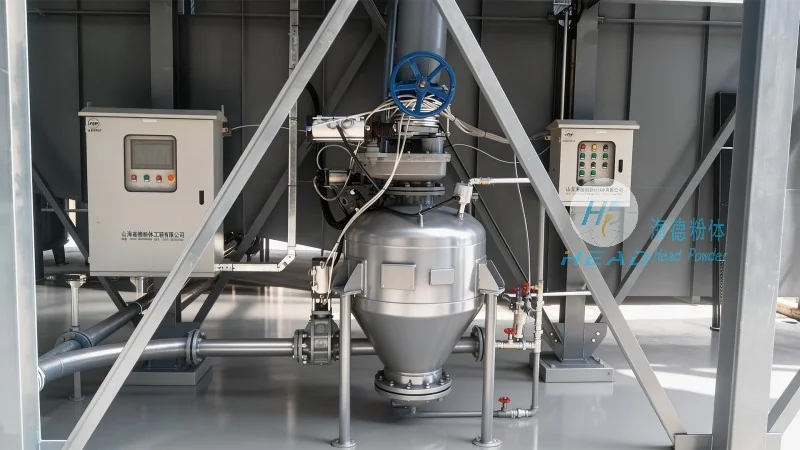
Introduction to Purified Powder Gas Solid Transport Equipment
Purified powder gas solid transport equipment, often referred to as pneumatic conveying systems, is designed to transport dry powders and granular materials using a gas stream, typically air. The primary goal of these systems is to move materials from one location to another within a facility or between facilities, while maintaining the purity and integrity of the powder. This technology is widely used in sectors like pharmaceuticals, food processing, chemical manufacturing, and mining, where the quality of the powder is paramount.
Understanding the Core Function of the Equipment
The core function of a purified powder gas solid transport system is to transfer bulk materials through a pipeline by creating a pressure differential. The system typically consists of a source of compressed air, a hopper or feeder to introduce the powder, and a pipeline network that transports the material to the destination. The air flow, often referred to as the conveying medium, carries the powder particles through the system, ensuring they are moved without settling or clogging. This method of transport is particularly advantageous for materials that are difficult to handle mechanically, such as fine powders that are prone to dusting or agglomeration.
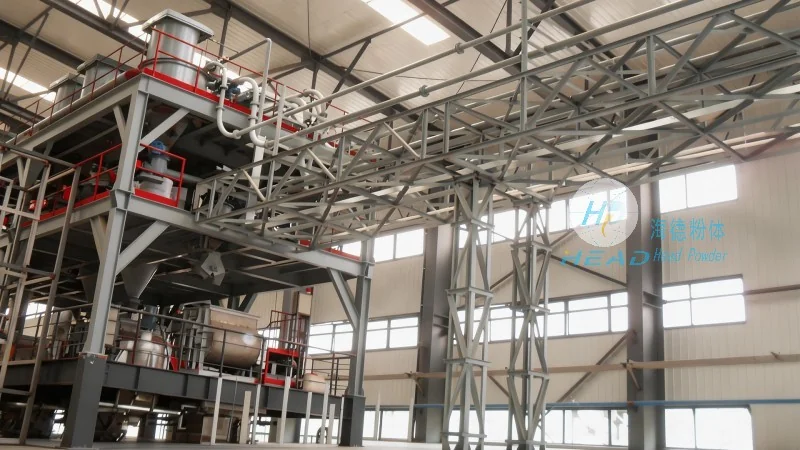
Design Principles of the Purified Powder Gas Solid Transport System
The design of a purified powder gas solid transport system is guided by several key principles to ensure efficiency, reliability, and material integrity. First, the system must maintain a consistent air pressure and flow rate to prevent material degradation or loss. Second, the pipeline design must minimize pressure drop and ensure smooth material flow, which is crucial for preventing blockages and maintaining system performance. Third, the equipment must incorporate features for dust control and filtration to maintain the purity of the powder and protect the environment. These design principles are critical in ensuring that the system operates effectively and meets the stringent requirements of industries dealing with sensitive materials.
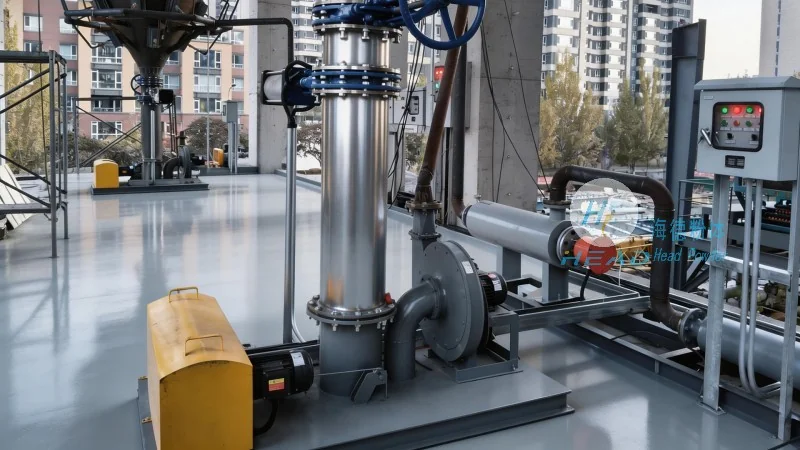
Key Components and Their Roles
A typical purified powder gas solid transport system includes several key components, each playing a vital role in the overall operation. The air compressor or blower provides the necessary pressure and volume of air to move the powder. The feeder or hopper is responsible for introducing the powder into the system, ensuring a consistent feed rate. The pipeline network, which may include straight sections, bends, and expansion joints, conveys the powder from the source to the destination. The receiver or silo at the end of the system collects the material and may include a discharge valve for controlled release. Additionally, the system may include a dust collector or filter to remove any particles that escape the pipeline, maintaining the purity of the powder and complying with environmental regulations.
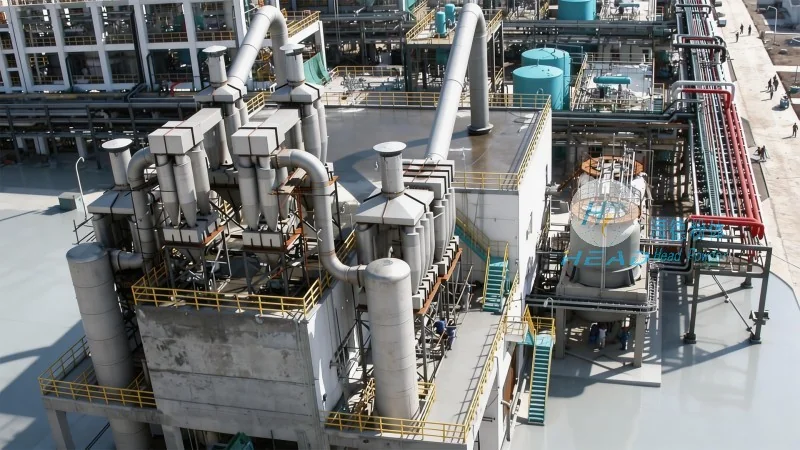
Application Scenarios and Operational Advantages
Purified powder gas solid transport equipment is applied in a variety of scenarios across different industries. In pharmaceutical manufacturing, it is used to transport active pharmaceutical ingredients (APIs) and excipients with high purity standards, ensuring that the final product meets regulatory requirements. In food processing, the system is employed to handle powders like flour, sugar, and spices, maintaining food safety and quality. In chemical manufacturing, it facilitates the transport of raw materials and intermediates, reducing the risk of contamination and improving process efficiency. The operational advantages of these systems include high throughput, minimal material loss, reduced labor costs, and improved safety compared to manual handling. Additionally, the pneumatic transport method allows for the integration of the system with other industrial processes, enhancing overall operational efficiency.
About Shandong HeadPowder Engineering Co., Ltd.
Shandong HeadPowder Engineering Co., Ltd., commonly known as HeadPowder, is a leading manufacturer and supplier of specialized equipment for powder handling and processing. With a focus on innovation and quality, HeadPowder provides customized solutions for industries requiring advanced gas solid transport systems. The company is headquartered in Shandong, China, and has established a strong reputation for delivering reliable and efficient equipment that meets the unique needs of its clients. HeadPowder's expertise in pneumatic conveying technology ensures that their products are designed to handle a wide range of powder materials, from fine powders to bulk granules, while maintaining the highest standards of purity and performance. By leveraging their experience and technical capabilities, HeadPowder helps industries optimize their material handling processes and improve overall productivity.