

What is a Limestone and Gypsum Powder Conveyor? Understanding Its Design Principles
For industries dealing with limestone and gypsum powders, efficient material handling is crucial. A limestone and gypsum powder conveyor is a specialized piece of equipment designed to transport these fine powders with precision and reliability. This article delves into what these conveyors are and the underlying design principles that make them effective in various industrial applications.
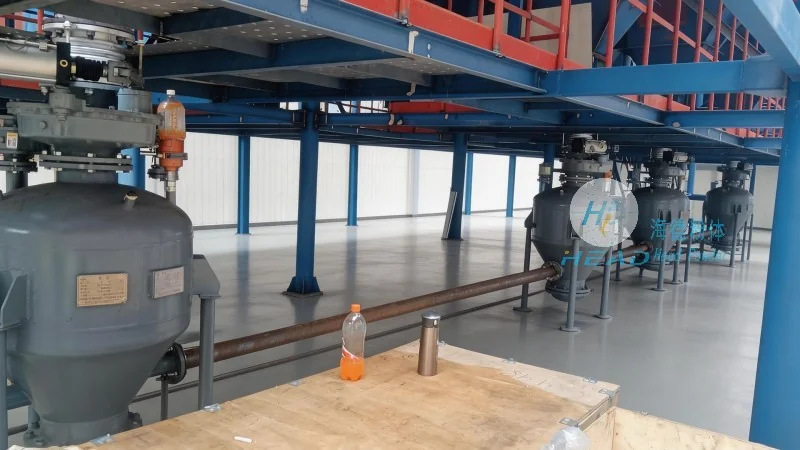
Introduction to Limestone and Gypsum Powder Conveyors
Limestone and gypsum are widely used in construction, agriculture, and chemical industries. These materials are often in powdered form, requiring specialized equipment to handle their flow characteristics. A limestone and gypsum powder conveyor is engineered to address the unique challenges of transporting such fine powders, including dust control, material flow management, and system integration. The equipment is typically used in processes like raw material feeding, blending, and packaging, ensuring consistent performance and minimal downtime.
Key Design Principles of Powder Conveyors
The design of a limestone and gypsum powder conveyor is centered on several critical principles to ensure optimal operation. First, the system must maintain a controlled environment to prevent dust generation and ensure material integrity. This often involves sealed housing and air filtration systems. Second, the conveyor's components are designed to handle the abrasive nature of limestone and gypsum, using materials like stainless steel or specialized coatings to resist wear and corrosion. Third, the system incorporates advanced control mechanisms to regulate flow rates, pressure, and material distribution, ensuring consistent performance across different production stages.
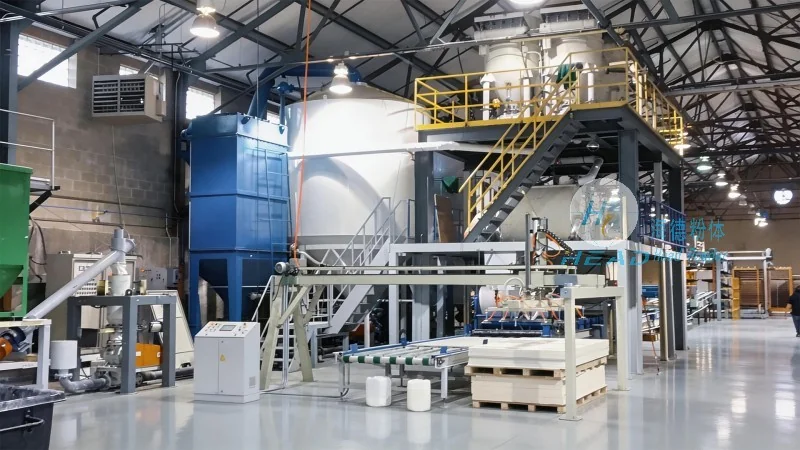
Components and Functional Aspects
A typical limestone and gypsum powder conveyor consists of several key components, each playing a vital role in the overall operation. The feeding mechanism, often a hopper or a rotary valve, ensures a steady and controlled input of material. The conveyor itself, which may be a pneumatic or mechanical system, transports the powder through a pipeline or a series of connected sections. The system also includes a control panel that monitors and adjusts parameters such as air pressure, flow rate, and temperature. Additionally, the conveyor may feature a dust collection system to maintain air quality and comply with environmental regulations.
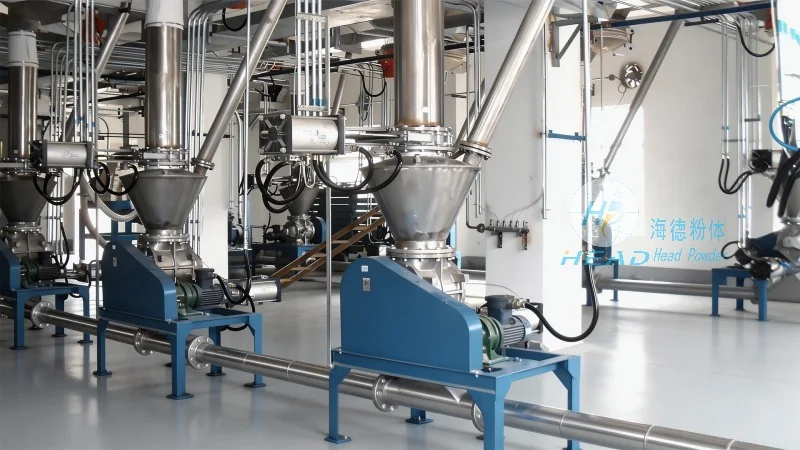
Applications and Industry Impact
Limestone and gypsum powder conveyors are integral to various industrial processes. In the construction industry, they are used to transport raw materials for cement production and plaster manufacturing. In agriculture, they facilitate the distribution of gypsum for soil conditioning and lime for pH adjustment. The chemical industry also relies on these conveyors for processing and packaging of gypsum-based products. The efficiency of these systems directly impacts production throughput, product quality, and operational costs, making them a critical investment for businesses in these sectors.
About HeadPowder: Your Trusted Partner in Powder Handling Solutions
At Shandong HeadPowder Engineering Co., Ltd., we specialize in providing high-quality limestone and gypsum powder conveyors tailored to the specific needs of our clients. With years of experience in the industry, our team of engineers and technicians designs and manufactures equipment that meets the highest standards of performance and reliability. Our products are engineered to handle the unique challenges of limestone and gypsum powders, ensuring consistent operation and minimal maintenance. Based in Shandong, China, HeadPowder serves clients globally, delivering solutions that enhance productivity and efficiency in material handling processes.