

What is Maltose Powder Conveying Equipment? What Are Its Design Principles?
Understanding the role of maltose powder conveying equipment is crucial for industries that handle this specific type of sugar. Maltose, a disaccharide derived from starch hydrolysis, is widely used in food, pharmaceutical, and chemical applications. Efficient and reliable transportation of maltose powder is essential to maintain product quality, prevent contamination, and ensure smooth production processes. This article explores the functionality and design principles of maltose powder conveying equipment, highlighting the key components and technological advancements that make such systems effective.
Introduction to Maltose Powder Conveying Equipment
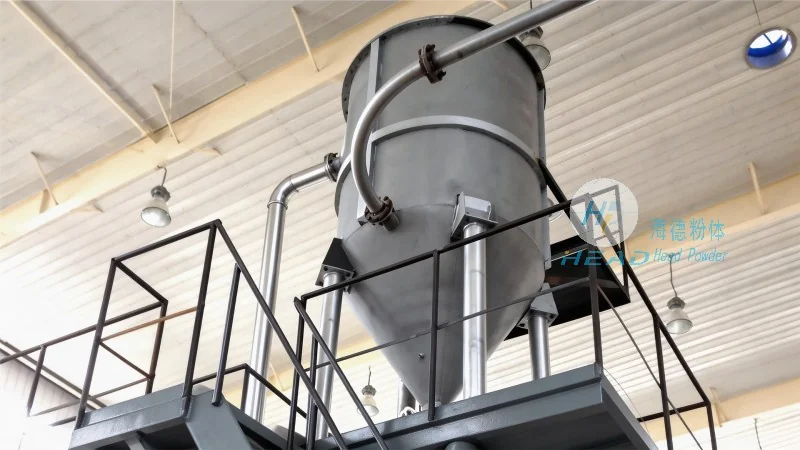
Maltose powder conveying equipment is a specialized system designed to transport maltose powder from one location to another within industrial facilities. These systems are engineered to handle the unique properties of maltose, which include its granular or powdered form, hygroscopic nature, and potential for bridging or caking under certain conditions. The primary goal of such equipment is to ensure that maltose powder moves safely, efficiently, and without degradation, maintaining its quality and usability for downstream processes.
Key Components and Functional Aspects
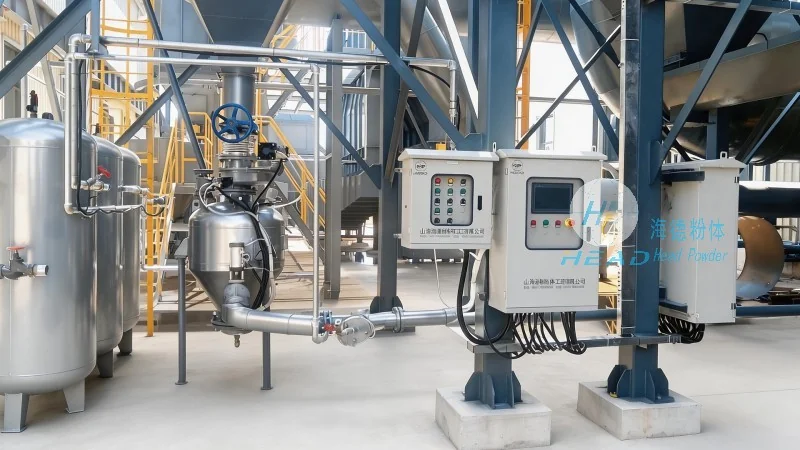
The design of maltose powder conveying equipment typically incorporates several critical components that work in tandem to achieve reliable operation. These components include feed hoppers, which are used to introduce the maltose powder into the system, and conveyors, such as screw conveyors, pneumatic conveyors, or bucket elevators, which transport the material through the system. The feed hopper is often equipped with a level sensor to monitor the material level and prevent overfilling or underfilling. Additionally, some systems may include a pre-drying or conditioning section to manage moisture content and prevent caking, which is particularly important for maltose due to its hygroscopic properties.
Conveyors are a central part of the system, and their selection depends on the specific characteristics of the maltose powder and the operational requirements. Screw conveyors, for example, are commonly used for horizontal or slight incline transport, providing a continuous and controlled flow of material. Pneumatic conveyors, on the other hand, use air pressure to move the powder, which is advantageous for handling fine powders and preventing product contamination from mechanical contact. Bucket elevators are suitable for vertical transport, allowing maltose powder to be lifted to higher levels while maintaining a consistent flow rate.
Design Principles for Efficient Maltose Powder Handling
The design principles behind maltose powder conveying equipment are centered on minimizing material degradation, ensuring consistent flow, and maintaining product integrity. One of the key principles is the prevention of caking and bridging, which can occur due to the hygroscopic nature of maltose. To address this, equipment designers often incorporate features such as agitators or vibrators in the feed hopper and conveyor sections. These features help to break up any agglomerates and ensure a uniform flow of powder. Another important principle is the control of moisture content, as excessive moisture can lead to clumping and reduced flowability. Some systems may include drying sections or moisture sensors to monitor and adjust the moisture levels as needed.
Material selection is also a critical design consideration. Components that come into contact with maltose powder are typically made from materials that are non-reactive and easy to clean, such as stainless steel or food-grade plastics. This helps to prevent contamination and ensures that the equipment meets regulatory standards for food and pharmaceutical applications. Additionally, the system is designed to minimize air leakage and maintain a controlled environment, which is essential for preventing moisture absorption and maintaining the quality of the maltose powder.
HeadPowder Engineering: A Leader in Maltose Powder Conveying Solutions
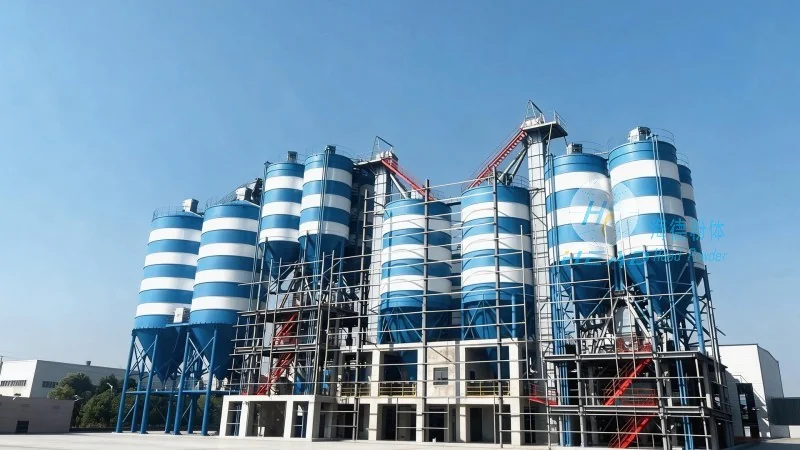
Shandong HeadPowder Engineering Co., Ltd., commonly known as HeadPowder, is a prominent manufacturer specializing in the design and production of maltose powder conveying equipment. With headquarters in Shandong, China, HeadPowder has established itself as a trusted provider of industrial solutions tailored to the unique needs of the maltose industry. The company’s expertise lies in understanding the specific challenges associated with handling maltose powder, such as its hygroscopic properties and potential for caking, and developing equipment that addresses these challenges effectively.
HeadPowder’s maltose powder conveying equipment is engineered with a focus on durability, efficiency, and reliability. The company utilizes advanced manufacturing techniques and quality control processes to ensure that each system meets the highest standards. Their products are designed to handle various maltose powder types, including different particle sizes and moisture contents, making them versatile for a wide range of applications. The company also offers customization options to meet the specific requirements of individual clients, ensuring that the equipment is optimized for their production processes.
HeadPowder’s commitment to innovation is evident in their continuous investment in research and development. The company stays abreast of the latest technological advancements in powder handling and adapts these innovations to improve the performance of their equipment. This includes the integration of smart sensors and automation features that enhance monitoring and control capabilities, allowing for real-time adjustments to maintain optimal operating conditions. By leveraging these technologies, HeadPowder’s maltose powder conveying equipment provides enhanced efficiency and reduces downtime, contributing to improved overall productivity for their clients.
Conclusion: The Importance of Reliable Maltose Powder Conveying Equipment
In conclusion, maltose powder conveying equipment plays a vital role in ensuring the efficient and safe handling of maltose powder in industrial settings. The design principles and components of such systems are carefully engineered to address the unique properties of maltose, including its hygroscopic nature and tendency to clog or cake. By incorporating features such as agitators, moisture control systems, and appropriate material selections, these equipment systems maintain the quality and integrity of the maltose powder throughout the conveying process.
Companies like Shandong HeadPowder Engineering Co., Ltd. play a crucial role in providing reliable and effective maltose powder conveying solutions. Their expertise in understanding the challenges of maltose handling and their commitment to innovation ensure that industries can rely on their equipment to maintain consistent production and product quality. As the demand for maltose continues to grow in various sectors, the importance of efficient and reliable conveying equipment will only increase, making it essential for businesses to invest in high-quality systems that meet their specific needs.