

What is Manganese Sulfate Powder Conveying Equipment? What Are Its Design Principles?
Understanding the design and functionality of manganese sulfate powder conveying equipment is crucial for industries that handle this essential chemical. Manganese sulfate, a widely used compound in various applications such as battery production, agriculture, and water treatment, requires efficient and reliable equipment to ensure safe and effective transportation. This article explores the key aspects of such equipment, focusing on its design principles and operational efficiency.
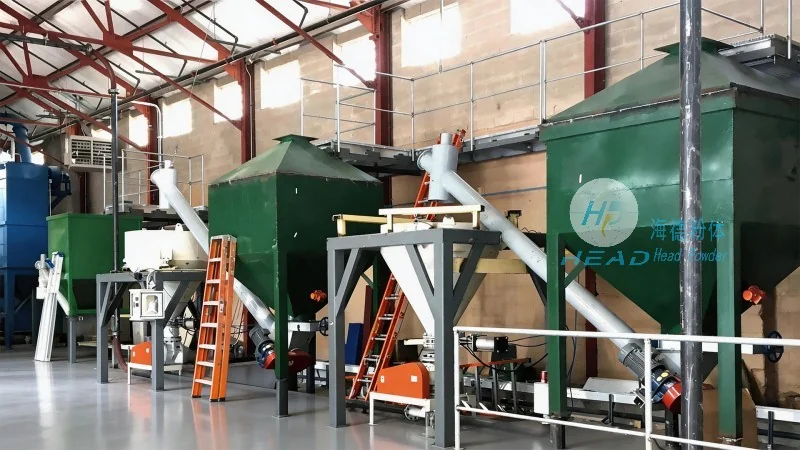
About Shandong HeadPowder Engineering Co., Ltd.
At Shandong HeadPowder Engineering Co., Ltd., we specialize in providing advanced solutions for powder handling and conveying systems. With a strong commitment to quality and innovation, our company has established itself as a leading manufacturer in the field of industrial powder processing equipment. Our headquarters is located in Shandong, China, where we leverage years of experience and technical expertise to develop cutting-edge solutions tailored to the needs of our clients. The company's mission is to deliver high-performance equipment that enhances productivity while ensuring safety and compliance with industry standards.
What is Manganese Sulfate Powder Conveying Equipment?
Manganese sulfate powder conveying equipment refers to a range of machinery designed to transport and handle manganese sulfate powder in industrial settings. This equipment is essential for processes that involve the movement of bulk powder from storage to processing units, or from one production stage to another. The equipment typically includes components such as hoppers, feeders, conveyors, and control systems, all working in tandem to ensure smooth and continuous operation. The primary goal of these systems is to minimize material loss, prevent contamination, and maintain consistent flow rates, which are critical for maintaining product quality and operational efficiency.
Key Design Principles of Manganese Sulfate Powder Conveying Equipment
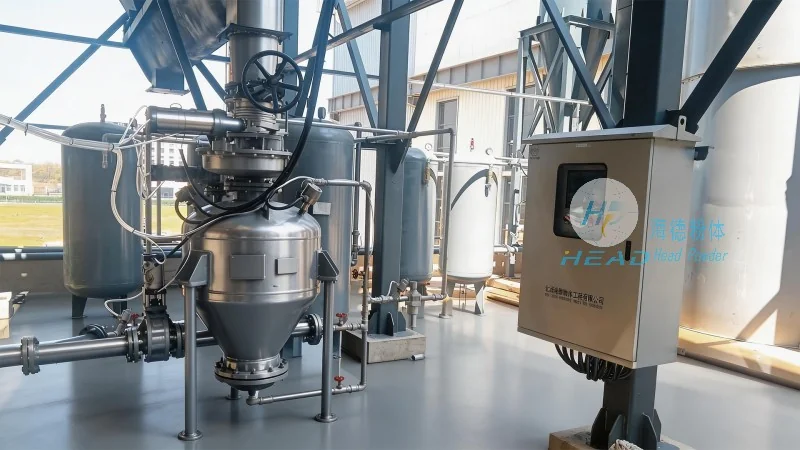
The design of manganese sulfate powder conveying equipment is guided by several fundamental principles that address the unique characteristics of the material. First, the equipment must be constructed from materials that are resistant to corrosion and chemical reactions, as manganese sulfate can be hygroscopic and reactive under certain conditions. Stainless steel or other corrosion-resistant alloys are commonly used in the construction of hoppers, pipelines, and other components to ensure durability and longevity. Second, the design must consider the flow properties of the powder, including its bulk density, angle of repose, and cohesive behavior. These factors influence the choice of conveyor type, such as screw conveyors, pneumatic conveyors, or belt conveyors, which are selected based on the specific requirements of the application. Third, the equipment must incorporate effective dust control measures to prevent airborne particles from contaminating the environment or affecting personnel. This includes features like sealing systems, dust collection units, and proper ventilation to maintain a safe working environment. Finally, the design emphasizes energy efficiency and operational reliability, with features such as variable speed drives, automatic controls, and maintenance-friendly designs that reduce downtime and operational costs.
Components and Operational Mechanisms
Manganese sulfate powder conveying equipment typically consists of several key components that work together to achieve efficient material transport. The primary components include a hopper for storing the powder, a feeder to regulate the flow rate, a conveyor system for moving the powder, and a control system to monitor and adjust the operation. The hopper is designed to accommodate the bulk quantity of manganese sulfate and is equipped with a discharge valve or gate to control the release of material. The feeder, often a rotary valve or a vibratory feeder, ensures a consistent and controlled flow of powder into the conveyor. The conveyor system, which can be a screw conveyor, pneumatic conveyor, or belt conveyor, transports the powder from the feeder to the destination point. Screw conveyors are commonly used for horizontal or slight incline transport, while pneumatic conveyors are suitable for longer distances or when the powder needs to be transported in a closed system. The control system includes sensors, meters, and controllers that monitor parameters such as flow rate, pressure, and temperature, and adjust the operation of the equipment as needed to maintain optimal performance. For example, a variable frequency drive (VFD) can be used to adjust the speed of the conveyor, ensuring that the flow rate matches the processing requirements. Additionally, the system may include safety features such as emergency stop buttons, overload protection, and interlocks to prevent accidents and ensure operator safety.
Applications and Benefits
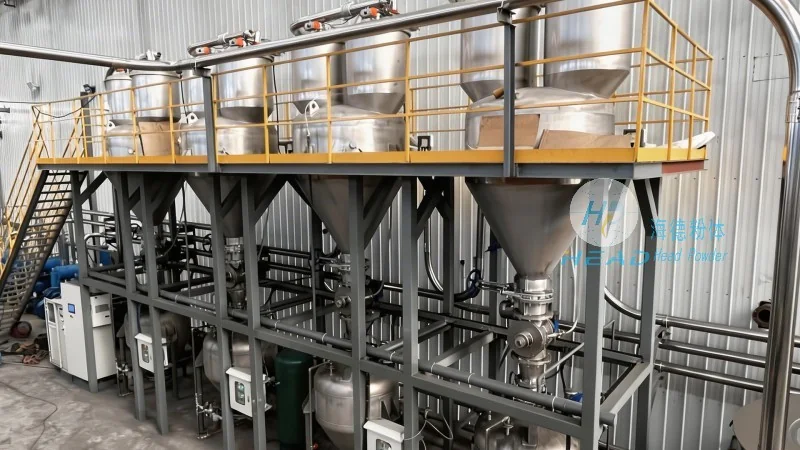
Manganese sulfate powder conveying equipment is widely used in various industries due to its versatility and efficiency. In the battery industry, for example, manganese sulfate is a key component in the production of lithium-ion batteries, and the equipment is used to transport the powder from storage to the mixing and coating stages. In agriculture, manganese sulfate is used as a fertilizer, and the equipment helps in the distribution of the powder to farms or processing facilities. In water treatment, the powder is used as a coagulant or flocculant, and the conveying equipment ensures that the material is delivered to the treatment plants in a controlled manner. The benefits of using such equipment include improved productivity, reduced labor costs, enhanced safety, and better product quality. By automating the powder handling process, industries can achieve higher throughput and minimize the risk of material spillage or contamination. Furthermore, the equipment's design allows for easy integration with existing production lines, reducing the need for major modifications or downtime during installation.
Conclusion
In conclusion, manganese sulfate powder conveying equipment plays a vital role in the efficient and safe handling of this essential chemical. The design principles, components, and operational mechanisms of such equipment are carefully engineered to address the unique properties of manganese sulfate and meet the demands of various industrial applications. Companies like Shandong HeadPowder Engineering Co., Ltd. continue to innovate and improve these systems, providing reliable solutions that enhance productivity and ensure compliance with industry standards. As industries increasingly rely on efficient powder handling systems, the importance of well-designed conveying equipment cannot be overstated. By understanding the design principles and benefits of these systems, businesses can make informed decisions to optimize their operations and achieve their production goals.